
Lug Nut Seat Types: Conical vs Ball vs Mag, and How to Match Them (2026)
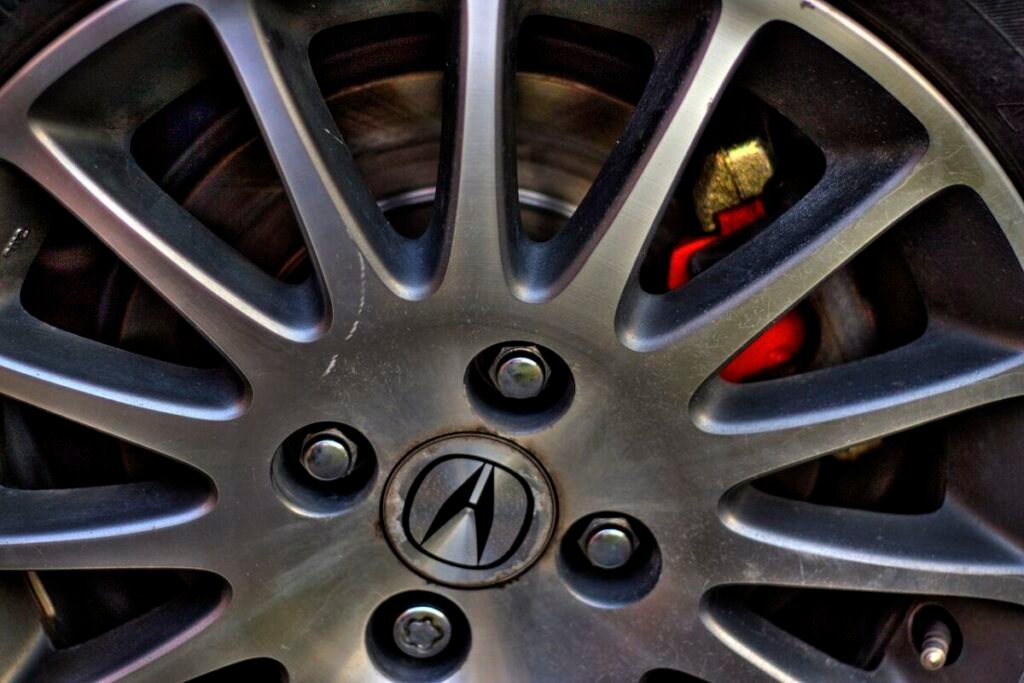
Lug nut seat types are the three shapes a wheel nut or bolt can use to grip the wheel: a 60-degree conical taper, a rounded ball (radius) seat, and a flat mag seat with a washer. The nut must match the shape cut into the wheel, because the seat, not the thread, is what clamps the wheel to the hub.
Most aftermarket and forged wheels use the conical seat, while many factory wheels from European brands and Honda use a ball seat. This guide shows how each seat works, how to tell which one your wheel needs, and what to tell a factory before you order.
Key facts about lug nut seat types
- Most aftermarket wheels use a 60-degree conical lug seat, while factory wheels from Audi and Honda use a rounded ball seat, so the two kinds of nut are not interchangeable (Wikipedia, wheel-maker guides).
- A nut has to match three things: the seat shape, the thread (M12x1.5 and M14x1.5 are the most common metric sizes) and the shank length (Wikipedia, wheel-maker guides).
- A wrong-seat nut can reach the torque-wrench reading while touching only a thin line of the seat, so torque alone does not prove the wheel is clamped safely (wheel-maker guides).
What are the main lug nut seat types?
There are three common lug nut seat types. A conical seat is a 60-degree taper that centers the wheel as it tightens. A ball seat is a rounded surface that sits in a matching radius. A mag seat is a flat washer face with a long shank that drops into the lug hole. Each one only works with a lug hole cut for it.
The Wikipedia entry on lug nuts gives the conical taper as normally 60 degrees, with 45 degrees common on racing wheels. Ball seats are listed there with Audi, BMW and Honda, and older alloy wheels used a cylindrical shank with a washer. For current BMWs, though, a BMW bolt pattern guide and a BMW wheel-bolt supplier both specify a 60-degree cone seat on the M14x1.25 wheel bolts, so check the hardware itself rather than going by the badge. One wheel-maker guide lists ball radii of R12, R13 and R14 on factory hardware.
How do conical, ball and mag seats compare?
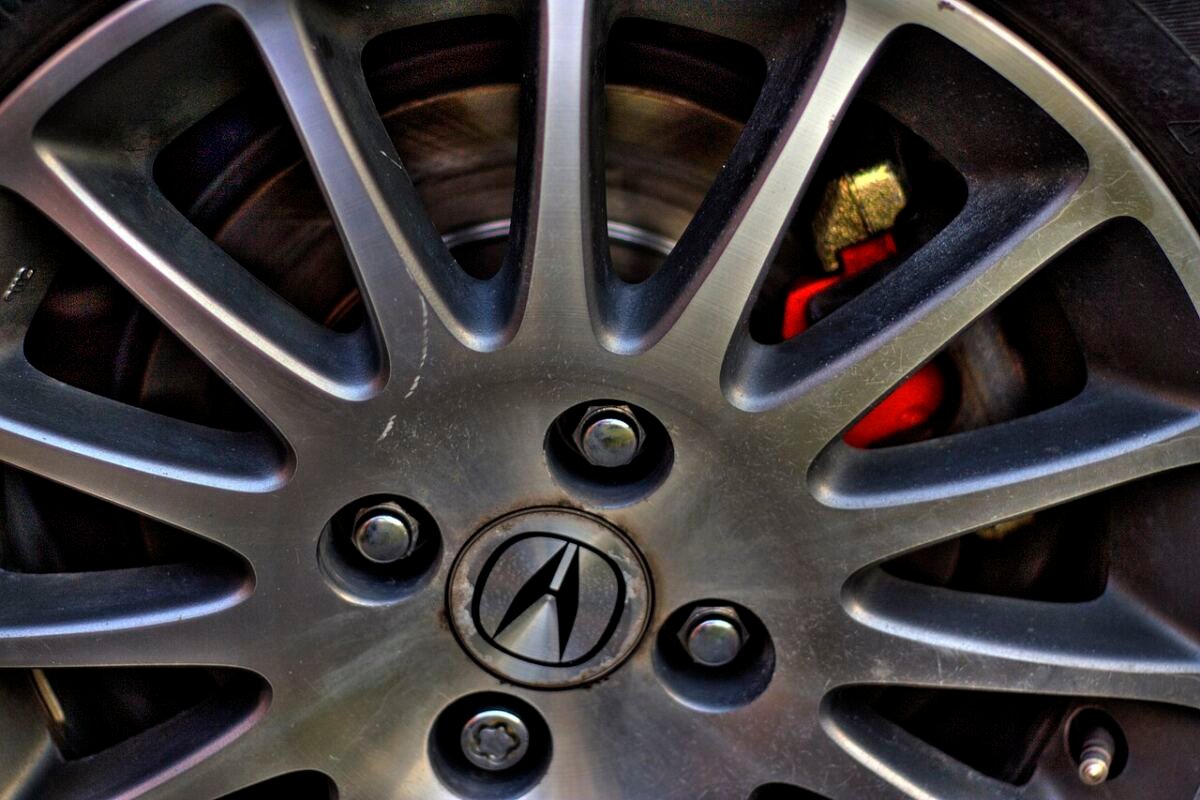
Conical seats are the easiest to find and the default for forged wheels, ball seats are tied to specific factory wheels, and mag seats are now rare. The table sets out the differences in the order most buyers meet them.
| Seat type | Shape | Where you see it | How it centers |
|---|---|---|---|
| Conical (tapered) | 60 degrees; 45 degrees on some race wheels | Most aftermarket and forged wheels | The taper pulls the wheel onto the stud |
| Ball (radius) | Rounded surface; R12, R13 and R14 are listed by one guide | Factory wheels from Audi, Honda and Mercedes-Benz | The curve seats in a matching radius |
| Mag (flat with shank) | Flat washer face and a long shank | Older alloy wheels and some OEM applications | The shank centers the wheel in the hole |
Ball and conical nuts look almost the same from the outside. Check the underside, not the head, before you assume a nut is right.
Which lug nut seat does my wheel need?
Your wheel needs the seat that its lug hole was cut for. Look at the hole itself: a straight-angled cone means conical, a rounded bowl means ball, and a flat ledge inside a deep pocket means mag. Use these steps before you buy nuts.
- Look into one lug hole with the nut removed and note whether the contour is a cone, a bowl or a flat ledge.
- Check the thread on the car: the studs or bolts decide the diameter and pitch, such as M12x1.5 or M14x1.5.
- Measure the depth of the lug pocket if the wheel is a mag type, because the shank length has to match it.
- Fit one nut by hand. A correct nut settles evenly and runs down without dragging or tilting.
- Ask the wheel maker to confirm the seat in writing if you are changing from factory to aftermarket wheels.
Wheel changes between brands are where this goes wrong. Factory Honda hardware, for example, uses a ball seat, so a set of new conical wheels for a Civic Type R swap needs new nuts. The same applies to the factory bolts on a Mercedes-AMG wheel, where the factory bolt has an R14 ball seat and most aftermarket wheels need 60-degree conical-seat bolts.
Many German cars also use lug bolts that thread into the hub instead of nuts on studs. The seat rule is the same for both, but you buy bolts, not nuts, and the thread is cut into the hub.
What goes wrong when the seat does not match?
A mismatched seat reduces how much of the nut touches the wheel, so the wheel is clamped less firmly than the torque reading suggests. Several wheel-maker guides list the same results: loose nuts after driving, vibration from uneven clamping, damaged lug seats, and in severe cases cracking around the lug hole or damaged studs.
Another symptom is lateral runout, which can feel like warped brake rotors even though the discs are fine. Once a seat is chewed up or wallowed out, no nut will clamp it properly, and the wheel needs repair or replacement.
Check torque again after the first 30 to 50 miles on a new wheel, and tighten in a star pattern with a calibrated torque wrench. Use the figure in the owner manual or from the wheel maker, because it depends on stud size, seat and wheel.
Why thread, length and drive style must match too
The seat is one of three matches, and the thread and shank length are the other two. M12x1.5 and M14x1.5 are the most common metric sizes, but they are not universal. A Subaru WRX uses M12x1.25, for example, so the nut that fits one car can be wrong for the next.
Shank length sets how much thread engages the stud. A nut that is too short grips too few threads, and one that is too long can bottom out before the wheel is clamped. Tuner and spline nuts have a smaller outside diameter for narrow lug holes, but they still use a 60-degree taper and need a matching key.
Some wheels have narrow or recessed lug holes, which is where tuner nuts come in. If you want to see which wheels fit your bolt pattern first, start with the 5x112, 5x114.3 and 5x120 pages, and read how hub-centric and lug-centric wheels differ.
What to tell the factory before you order forged wheels
Tell the factory the lug seat type, thread size and whether the car uses nuts or bolts, in the same message as the bolt pattern, center bore and offset. Our forged wheel fitment checklist lists every value to confirm, and the center bore chart covers hub rings.
Custom forged wheels start from $231 per wheel. Production takes 20–25 days and sea freight 30–35 days. Send your car, bolt pattern and lug seat details so they can be confirmed before production.
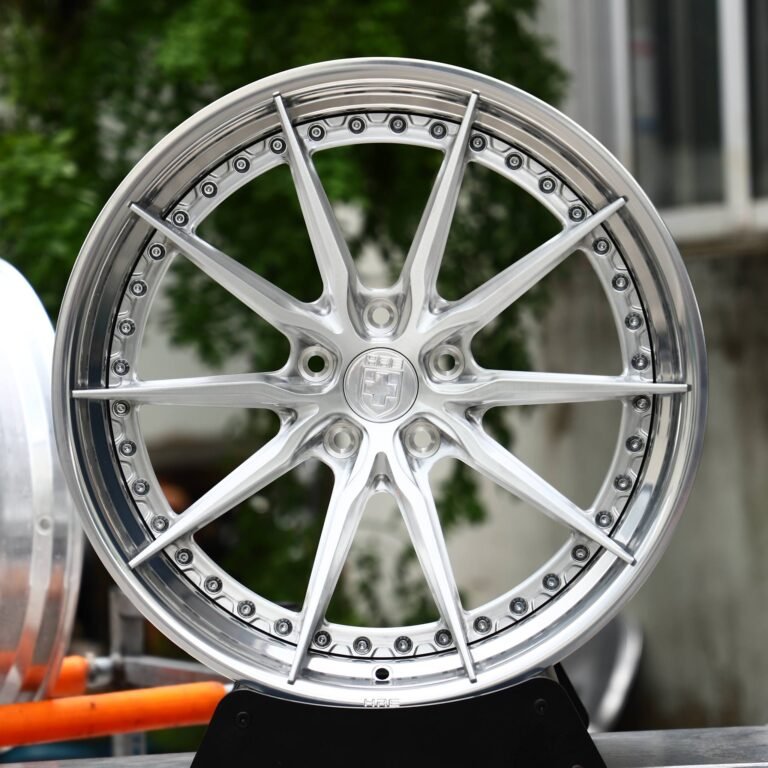
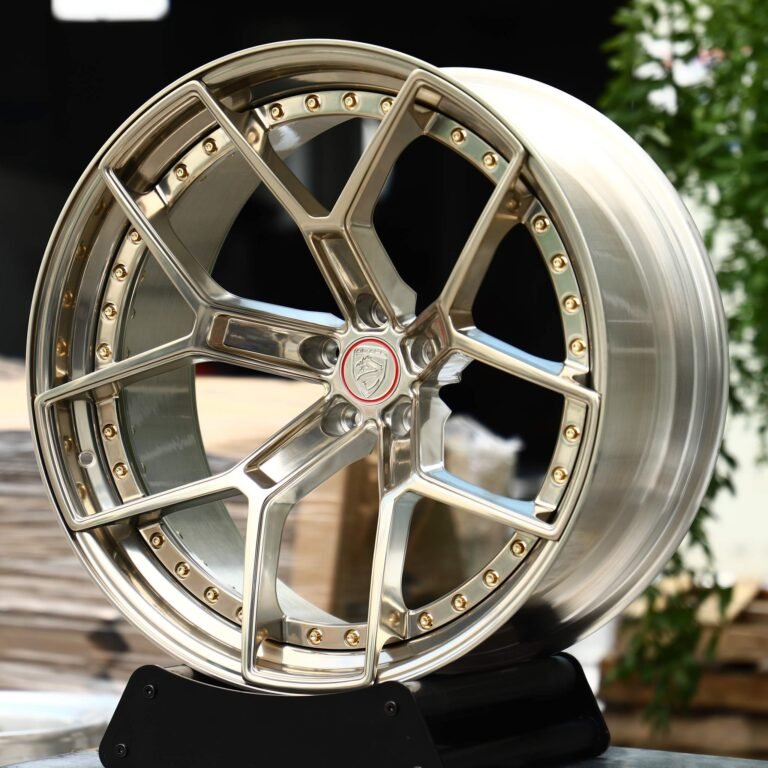
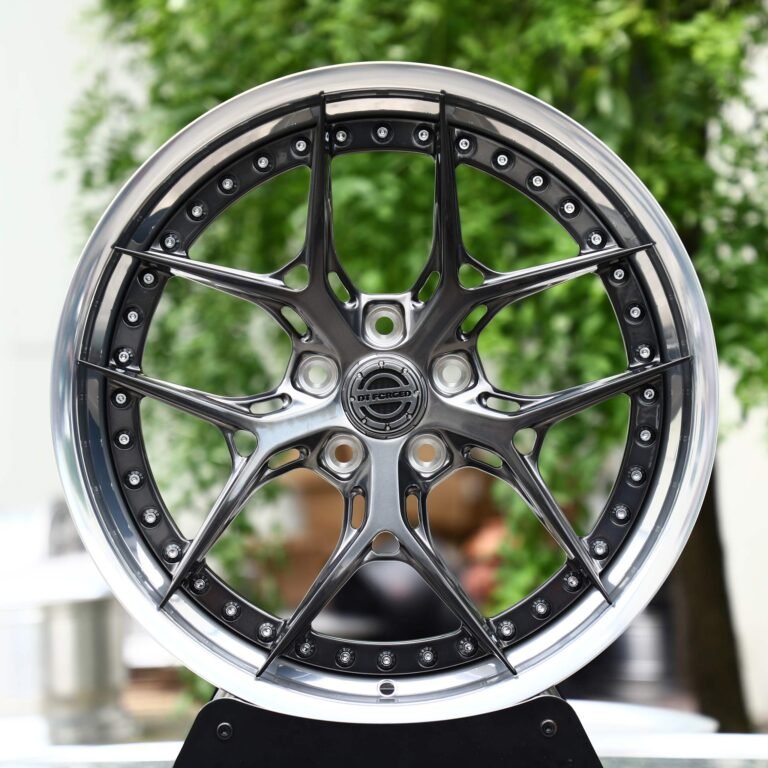
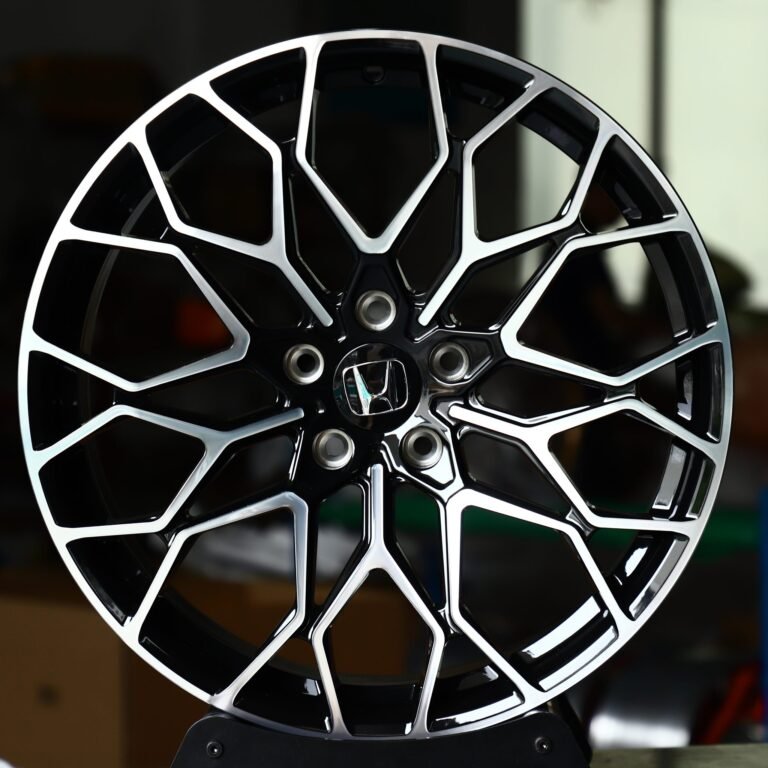
To see how the builds differ, compare the champagne bronze two-piece Y-spoke wheel for 5x112 and 5x120 cars, the brushed silver 10-spoke two-piece wheel for 5x112, and the gunmetal Y-spoke two-piece wheel for 5x114.3. A gloss black machined multi-spoke one-piece wheel is also listed.
Browse the fitment guide by model, the two-piece forged wheels page and our open wheel fitment dataset for the bolt pattern and bore of your car.
Related forged wheels

Two-piece champagne bronze Y-spoke forged wheel with gold rivets (5-lug) – Request a quote
Two-piece brushed silver 10-spoke forged wheel with riveted lip (5-lug) – Request a quote
Two-piece gunmetal Y-spoke forged wheel with polished lip (5-lug) – Request a quote
Gloss black machined multi-spoke one-piece forged wheel (5-lug) – Request a quote
See all two-piece forged wheels or the one-piece forged wheel range.
Frequently Asked Questions
What are the three lug nut seat types?
The three common lug nut seat types are conical (a 60-degree taper, with 45 degrees on some race wheels), ball or radius (a rounded seat used on many factory wheels) and mag or flat (a washer face with a long shank). The nut must match the shape cut into the wheel.
Can I use conical lug nuts on a ball seat wheel?
No. A conical nut in a ball-seat hole touches only a thin line of the seat, so it can reach the torque reading while clamping poorly. Wheel-maker guides list loosening, vibration and damaged seats as the results.
How do I tell which seat my wheel has?
Look into a lug hole with the nut removed. An angled cone means conical, a rounded bowl means ball, and a flat ledge inside a deep pocket means mag. Then fit one nut by hand; a correct nut settles evenly without dragging.
Do forged wheels use conical or ball seats?
Most aftermarket wheels, forged ones included, use a 60-degree conical seat, while many factory wheels from European brands and Honda use a ball seat. Confirm the seat with the wheel maker before ordering, especially when changing from factory to aftermarket wheels.
Does the thread size matter as much as the seat?
Yes. A nut must match the seat shape, the thread diameter and pitch, and the shank length. M12x1.5 and M14x1.5 are the most common metric threads, but a Subaru WRX uses M12x1.25, so always check the car.
Need answers from the manufacturing side instead of just sales copy?
Contact ANKUSI through WhatsApp or WeChat for discussions on forged wheel customization, fitment, finishes, and project feasibility.