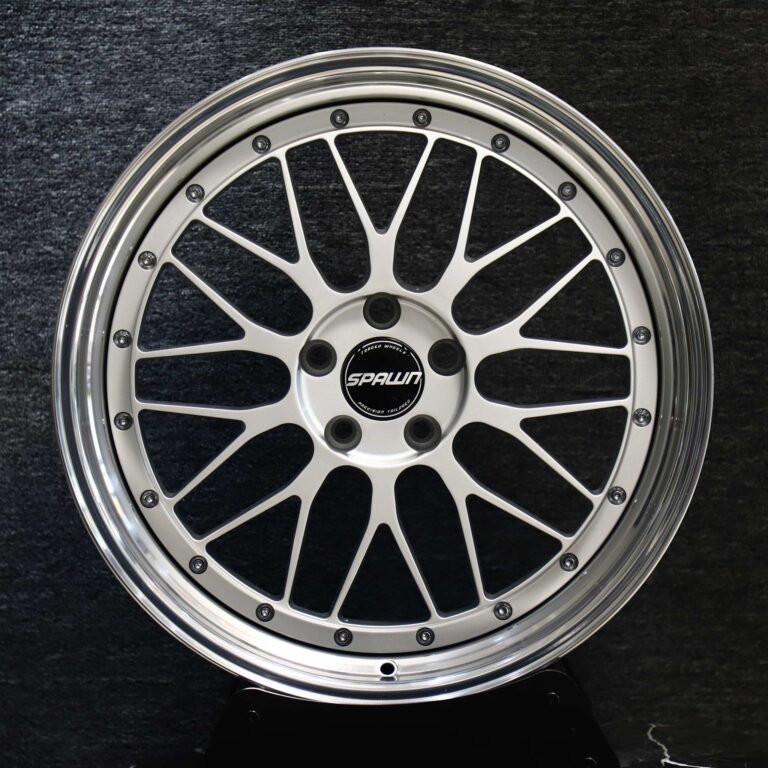
Silver Mesh Polished Deep Lip 2-Piece Forged Wheels
2-Piece · Silver

Fitting Porsche 930 Turbo wheels? This page gives the 1980 Porsche 930 Turbo bolt pattern (5x130), centre bore, factory rim size and the offset range for aftermarket and forged Porsche 930 Turbo rims: the same spec sheet ANKUSI uses when machining forged wheels for this car.
Quick answer: The 1980 Porsche 930 Turbo uses a 5x130 bolt pattern with a 71.6 mm centre bore and M14x1.5 lug bolts. Factory wheels: F: 16x7J R: 16x8J. For aftermarket wheels, 16x9J ET15 sits flush and 17x9J ET29 front / 17x11J ET17 rear is the most aggressive fit.
Forged wheels for the 1980 Porsche 930 Turbo — drilled 5x130 with a 71.6 mm centre bore, built to the offset you choose. From $220 per wheel, made to order in 20–25 days.
Porsche 930 Turbo (1980): 5x130 bolt pattern, 71.6mm center bore. Factory wheels: F: 16x7J R: 16x8J. Reference fitment ranges.
Data check: the bolt pattern and center bore on this page have not yet been confirmed by a second independent source. Measure your hub or ask us before ordering. How we verify
| Configuration | Wheel Size & Offset |
|---|---|
| Factory (OE) | F: 16x7J R: 16x8J |
| Flush Fitment | F 16x9J ET15 / R 16x9J ET15 |
| Maximum Aggressive | F 17x9J ET29 / R 17x11J ET17 |
Every design below is forged to order, so it can be machined to the Porsche 930 Turbo's 5x130 bolt pattern and 71.6 mm center bore, with the width and offset calculated for your setup.
2-Piece · Silver
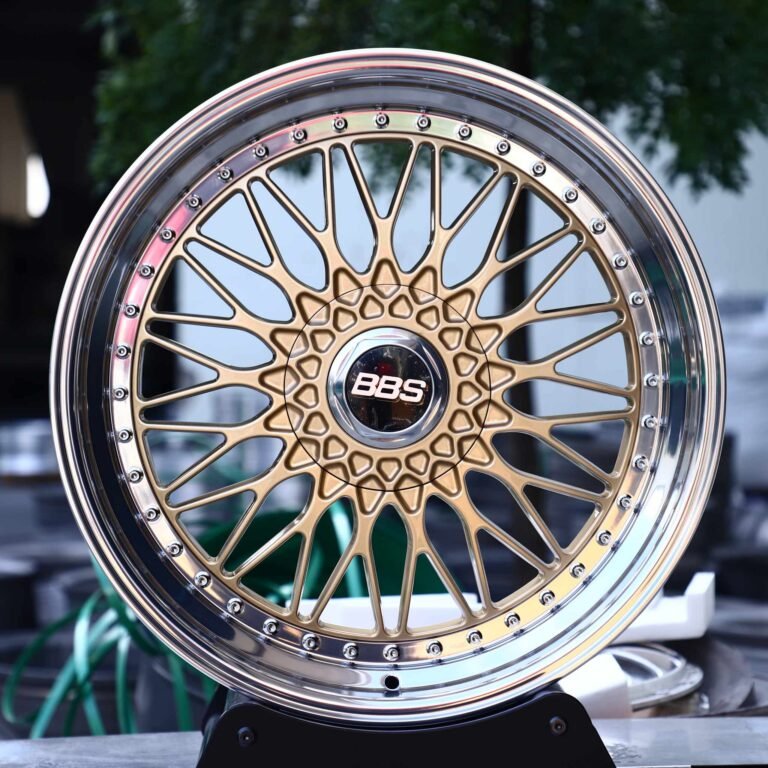
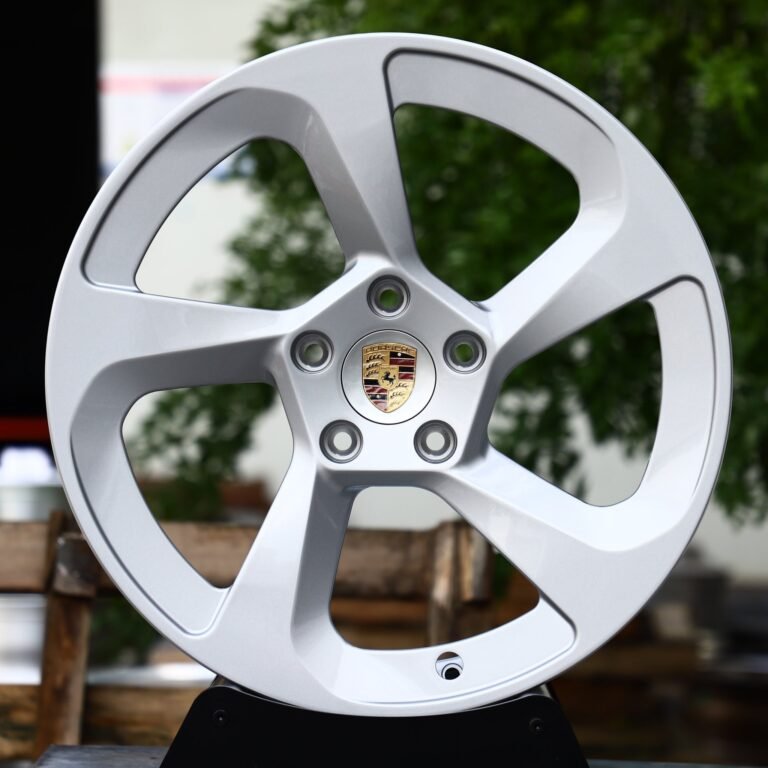
Monoblock · Bright Silver
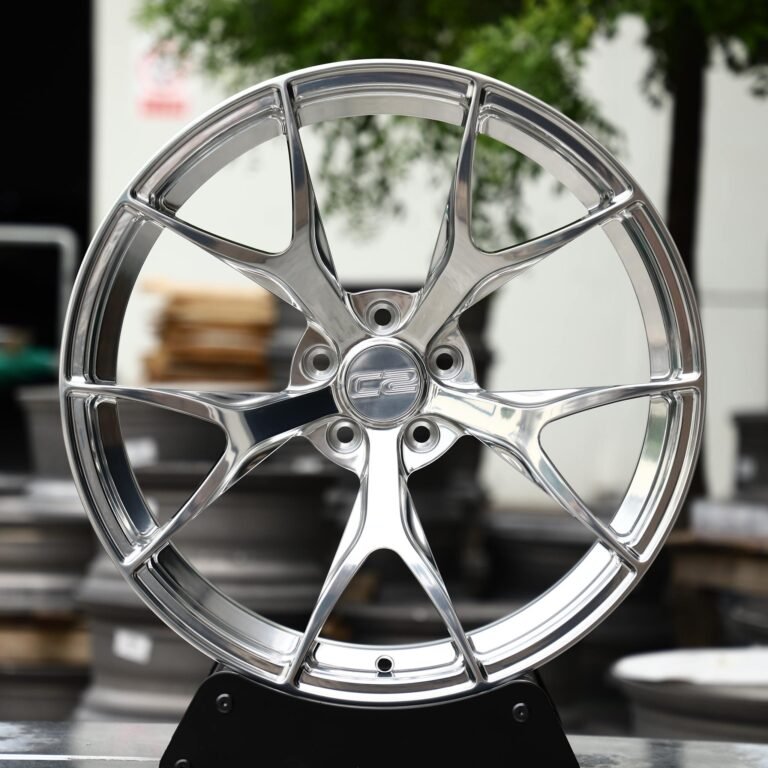
Monoblock · Chrome
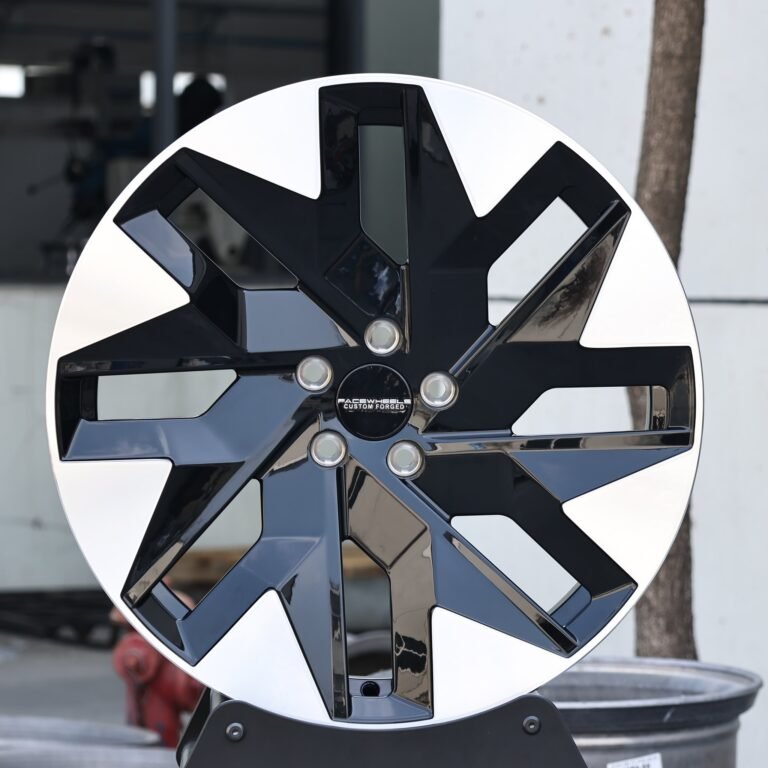
Monoblock · Black / White
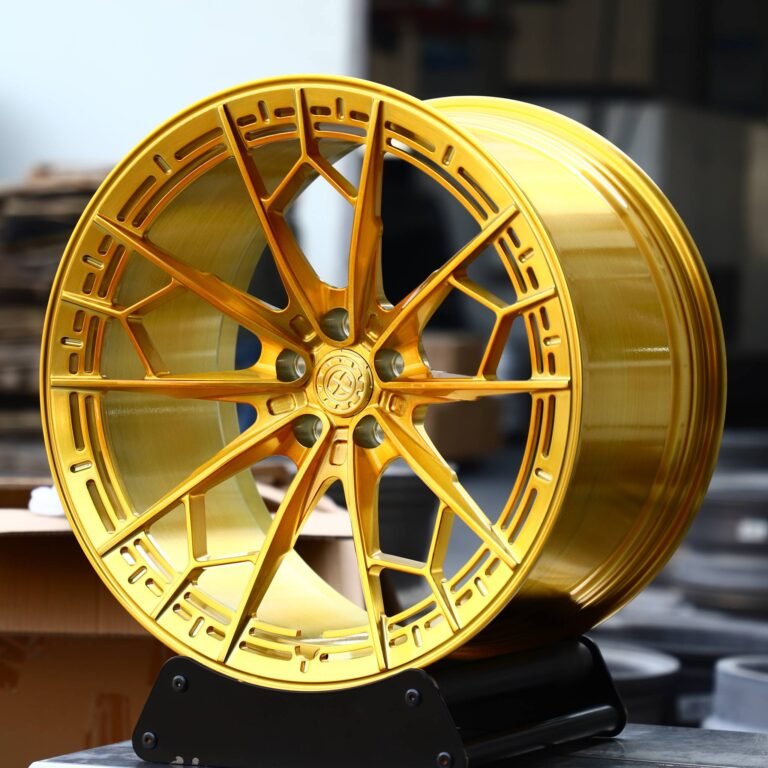
Concave · Gold
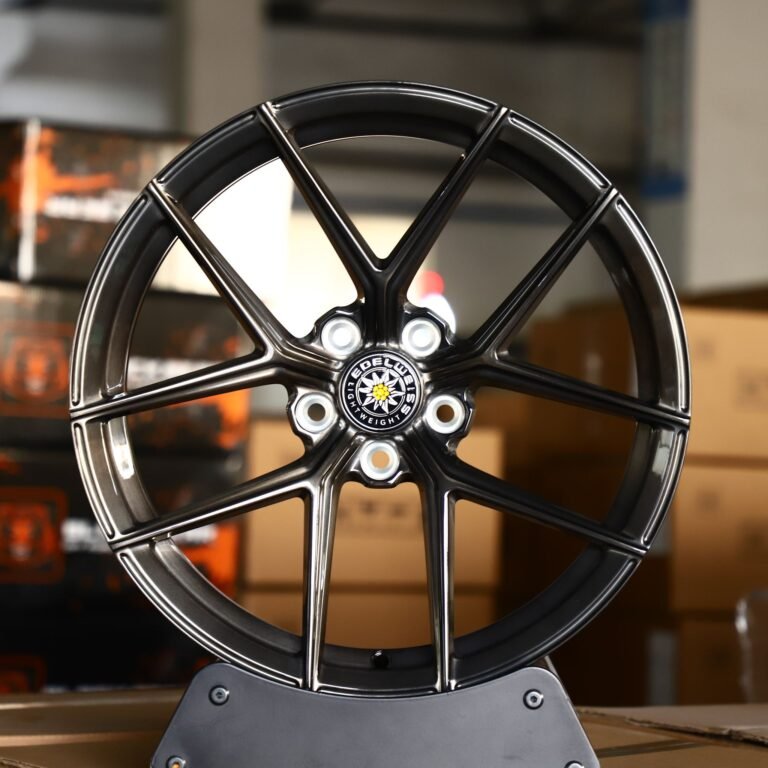
Monoblock · Gunmetal

Monoblock · Black Machined
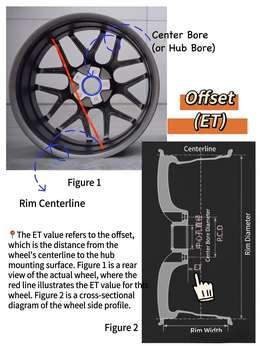
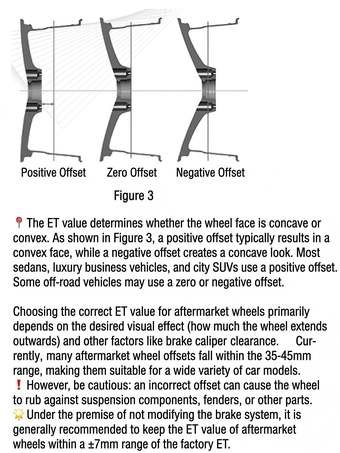
Use these two references before ordering: the left diagram shows where each spec (PCD, center bore, offset, width and diameter) is measured on the wheel; the right diagram shows how positive, zero and negative offset shift the wheel face relative to the hub centerline.
On a supercar, wheel weight is one of the few remaining places to cut rotational mass without touching the powertrain or chassis the factory already optimized. Forging gets there at the same structural margin as the OE wheel, which is exactly the trade a car built around outright performance rewards.
The Porsche 930 Turbo runs a 5x130 bolt pattern, 71.6mm center bore, and a F: 16x7J wheel from the factory. Our Flush Fitment reference is F 16x9J ET15 / R 16x9J ET15, which tucks the tire under the fender lip on a stock-height Porsche 930 Turbo. Our Maximum Aggressive reference is F 17x9J ET29 / R 17x11J ET17 — beyond that offset, expect rubbing against the inner fender liner under compression without further trimming.
The 1980 Porsche 930 Turbo (Supercar) uses a 5x130 bolt pattern with a 71.6mm center bore. Factory wheels are F: 16x7J R: 16x8J.
Why the factory spec works for most owners:
ANKUSI builds these wheels — we are the forging factory, not a reseller. For the Porsche 930 Turbo (1980) we drill the 5x130 pattern and cut the centre bore to 71.6mm on our own CNC line, so the wheel hub-centres on the car with no spacer rings, in whatever diameter, width and offset you specify.
Converting these ET figures to backspacing? Use the wheel offset and backspacing calculator.
The figures on this page are part of our open wheel fitment dataset — 10,093 vehicles, free to download, CC BY 4.0.
Classic 930 setup; Fuchs 16x7/16x8, or Fikse/Fuchs-style 17x9/17x11 for stretched look, deep-dish 3-piece popular 5x130 / 71.6 CB; offset depends on exact flare, measure (Rennlist 911 Turbo forum, Fuchsfelge) F 16x7J ET23.3 / R 16x8J ET15 Fuchs (5x130, 71.6 CB)
Backspacing is calculated as wheel width (in) ÷ 2 + offset (mm) ÷ 25.4 + 0.5 (flange allowance):
Final clearance depends on the exact tire model, suspension height, brake package, alignment and vehicle tolerances. A physical test fit is recommended before production.
Want to check a different width or offset before you order? Use our Offset & Backspacing Calculator to solve the numbers yourself, or looking for your exact Porsche spec, or want a wheel built to a custom offset for your Porsche 930 Turbo? Contact ANKUSI with your bolt pattern and offset target and we will confirm the correct forged wheel spec for your build.
In our database, 294 other vehicle entries from 10 makes use exactly the same 5x130 bolt pattern and 71.6 mm center bore. Factory wheels from these cars bolt on and center on the hub without rings; offset and width still have to be checked.
5x130 is used by 5.8% of the vehicle pages in our English fitment guide (375 of 6,503); 78.7% of those also use a 71.6 mm center bore.
A wheel with a center bore larger than 71.6 mm needs a hub-centric ring. The most common combinations:
| Wheel bore | Ring size |
|---|---|
| 72.6 mm | 72.6 → 71.6 mm |
| 73.1 mm | 73.1 → 71.6 mm |
| 74.1 mm | 74.1 → 71.6 mm |
| 76.1 mm | 76.1 → 71.6 mm |
ANKUSI forged wheels are bored to exactly 71.6 mm for this vehicle, so no ring is needed.
Data checked against: avtoreference.com, tirewheelguide.com.
This record is part of the open ANKUSI Wheel Fitment Dataset (DOI 10.5281/zenodo.23241521, CC BY 4.0).
Other cars on the same factory size: 16x7 wheels · 16 inch wheels.
Compiled by the ANKUSI Wheels engineering team, an IATF 16949 and ISO 9001 certified forged wheel factory in Guangzhou.
Bolt pattern and center bore on this page come from published fitment references and are still awaiting a second independent check. Last reviewed 2026-09-18. Spotted an error? Email info@ankusi.com and we will verify and correct it.