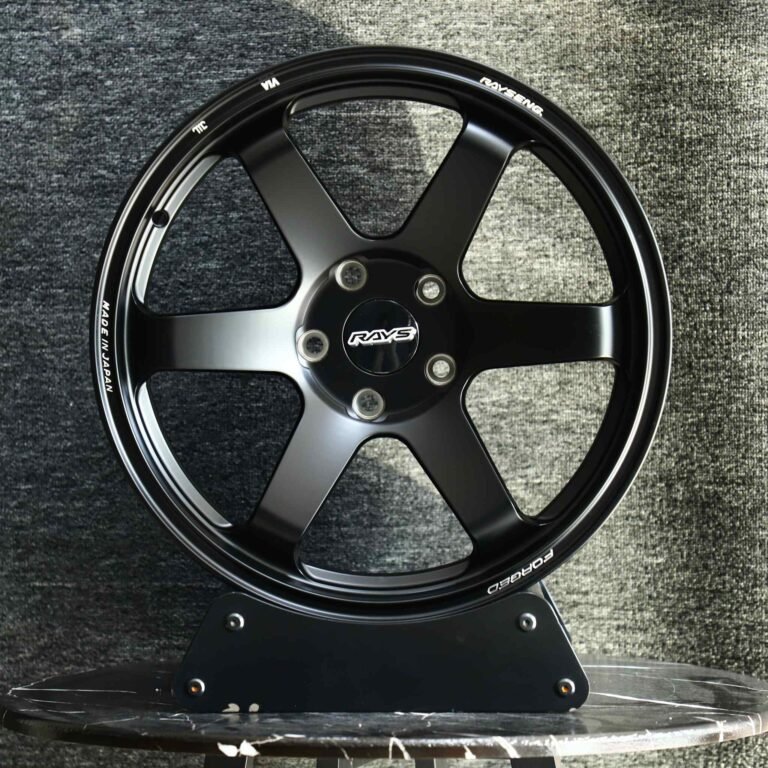
Rays-Style Gunmetal 6-Spoke Forged Wheels
Nissan 370Z / Toyota GR86 Fitment · 5-Lug

Fitting Toyota Harrier wheels? This page gives the 2026 Toyota Harrier bolt pattern (5x114.3), centre bore, factory rim size and the offset range for aftermarket and forged Toyota Harrier rims: the same spec sheet ANKUSI uses when machining forged wheels for this car.
Toyota Harrier (2026): 5x114.3 bolt pattern, 60.1mm center bore. Factory wheels: 18x7J F/R. Flush and max fitment confirmed on request.
✓ Verified by ANKUSI's Engineering Team — IATF 16949 & ISO 9001 certified forged wheel manufacturer, TÜV/SFI/VIA compliant. See our factory & certifications →


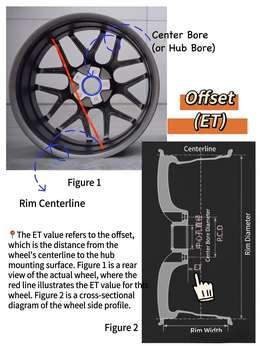
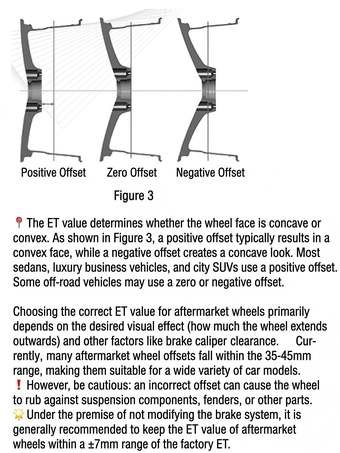
Use these two references before ordering: the left diagram shows where each spec (PCD, center bore, offset, width and diameter) is measured on the wheel; the right diagram shows how positive, zero and negative offset shift the wheel face relative to the hub centerline.
On a vehicle this heavy, the wheel is a structural part before it is a styling part - it carries the load, the brake heat and the cornering forces all at once. A forged wheel buys back unsprung weight without giving up the load rating an SUV actually needs, which is the one number most cast aftermarket wheels quietly fall short on.
We publish the factory specification for the Toyota Harrier below. We have not yet been able to verify aftermarket flush or maximum-aggressive offsets for this exact variant against a source we trust, so we are not listing any - an invented offset is worse than no offset when a wheel has to clear a caliper.
The 2026 Toyota Harrier (SUV) uses a 5x114.3 bolt pattern with a 60.1mm center bore. Factory wheels are 18x7J F/R.
Why the factory spec works for most owners:
ANKUSI builds these wheels — we are the forging factory, not a reseller. For the Toyota Harrier (2026) we drill the 5x114.3 pattern and cut the centre bore to 60.1mm on our own CNC line, so the wheel hub-centres on the car with no spacer rings, in whatever diameter, width and offset you specify.
Converting these ET figures to backspacing? Use the wheel offset and backspacing calculator.
The figures on this page are part of our open wheel fitment dataset — 6,436 vehicles, free to download, CC BY 4.0.
Published aftermarket fitment for this exact variant is still thin, so we have not committed to a flush or maximum-aggressive figure. Our engineering team is still collecting verified data for this variant. In the meantime the factory specification above is accurate and is the safe reference point for ordering.
What we do know: Generation IV (XU80), model years 2020-2026. Verified against two independent fitment references.
Need a wheel for this car now? Contact ANKUSI with your target diameter, width and offset and our engineers will confirm the correct forged spec against your brake package before anything is cut. You can also use our Offset & Backspacing Calculator to work through the numbers yourself.
Everything above is reference data. If you want wheels actually built to it, that is what ANKUSI does: we are a forged wheel factory in Guangzhou, China, IATF 16949 and ISO 9001 certified, forging on our own 10,000-ton press and producing over 120,000 wheels a year. Forging blank, CNC machining, finishing, coating and inspection all happen in the same building — nothing is subcontracted and nothing is relabelled from another manufacturer.
Every set is cut to order, so the 5x114.3 pattern and the 60.1mm centre bore are machined for this car specifically rather than shimmed with adaptor rings. Diameter, width, offset, concavity, monoblock or multi-piece construction and the finish are all yours to choose.
Designs we already tool for the 5x114.3 pattern — each one is re-cut to your sizes and offsets:
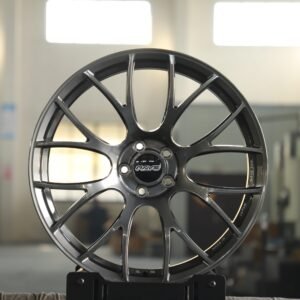 Rays-Style Gunmetal 10 Y-Mesh Forged Wheels – Nissan 370Z / Toyota GR86 Fitment (5-Lug)
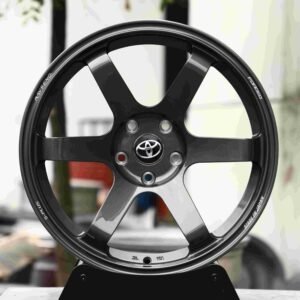 Toyota OEM-Style Matte Silver 6-Spoke Forged Wheels – Toyota GR86 / Supra Fitment (5-Lug)
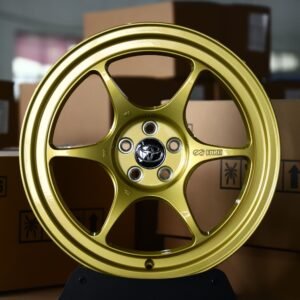 Toyota OEM-Style Gold 6-Spoke Forged Wheels – Toyota Camry / Supra Fitment (5-Lug)
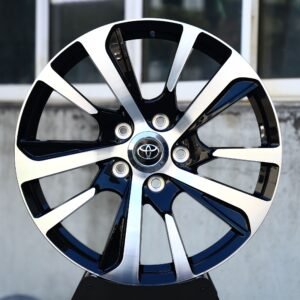 Toyota OEM-Style Gloss Black Machined Split Multi-Spoke Forged Wheels – Toyota Camry / Supra Fitment (5-Lug)
In our database, 204 other vehicle entries from 16 makes use exactly the same 5x114.3 bolt pattern and 60.1 mm center bore. Factory wheels from these cars bolt on and center on the hub without rings; offset and width still have to be checked.
5x114.3 is used by 20.1% of the vehicle entries in our database (1,284 of 6,396); 16.1% of those also use a 60.1 mm center bore.
A wheel with a center bore larger than 60.1 mm needs a hub-centric ring. The most common combinations:
| Wheel bore | Ring size |
|---|---|
| 63.4 mm | 63.4 → 60.1 mm |
| 64.1 mm | 64.1 → 60.1 mm |
| 65.1 mm | 65.1 → 60.1 mm |
| 66.1 mm | 66.1 → 60.1 mm |
| 73.1 mm | 73.1 → 60.1 mm |
ANKUSI forged wheels are bored to exactly 60.1 mm for this vehicle, so no ring is needed.
Bolt pattern and center bore were checked against at least two independent fitment references before publication.
This record is part of the open ANKUSI Wheel Fitment Dataset (DOI 10.5281/zenodo.23241521, CC BY 4.0).
Other cars on the same factory size: 18x7 wheels · 18 inch wheels.
Compiled by the ANKUSI Wheels engineering team, an IATF 16949 and ISO 9001 certified forged wheel factory in Guangzhou.
Every design below is forged to order, so it can be machined to the Toyota Harrier's 5x114.3 bolt pattern and 60.1 mm center bore, with the width and offset calculated for your setup.
Nissan 370Z / Toyota GR86 Fitment · 5-Lug
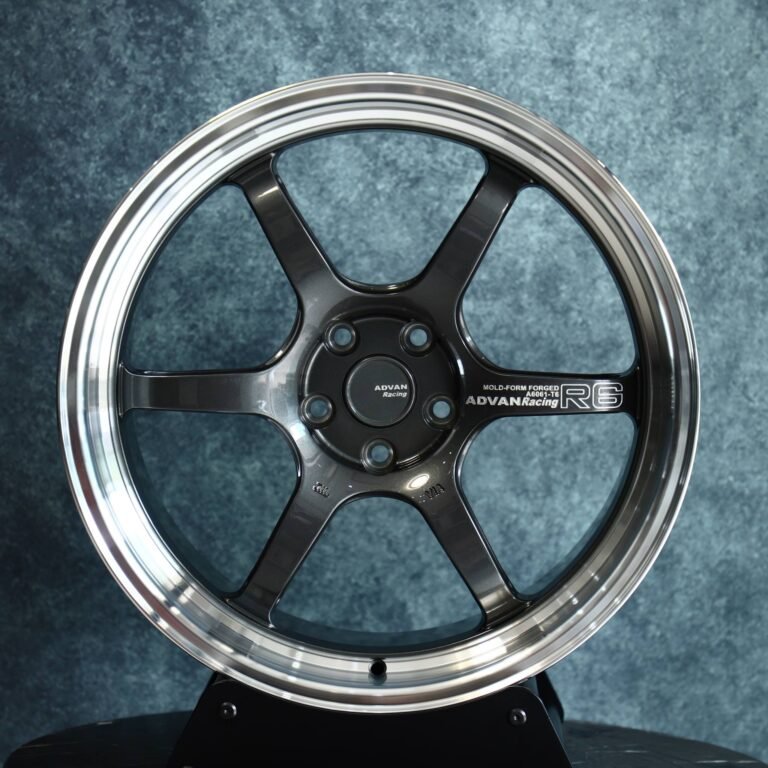
Honda S2000 / Toyota GR86 Fitment · 5-Lug
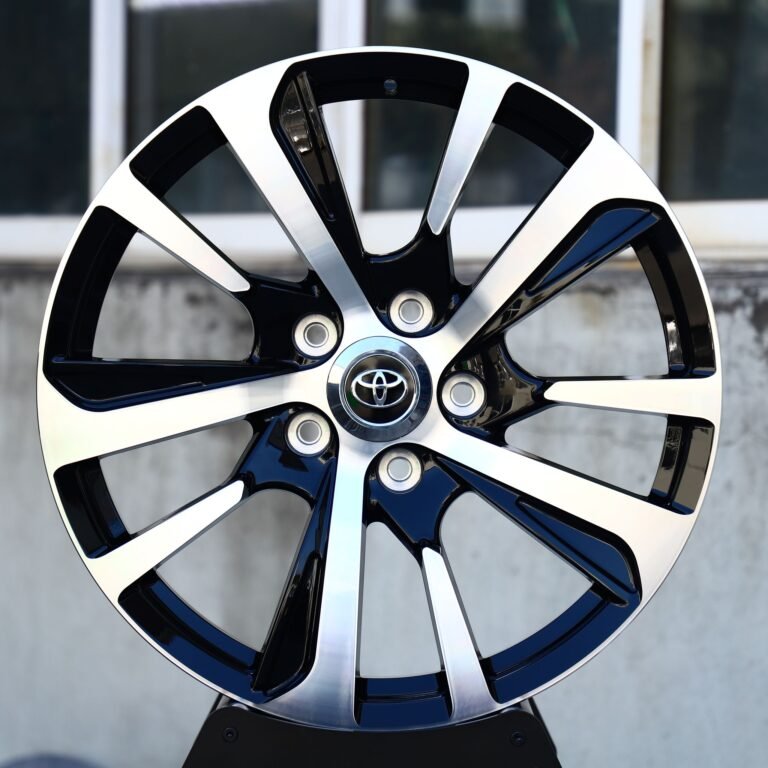
Toyota Camry / Supra Fitment · 5-Lug
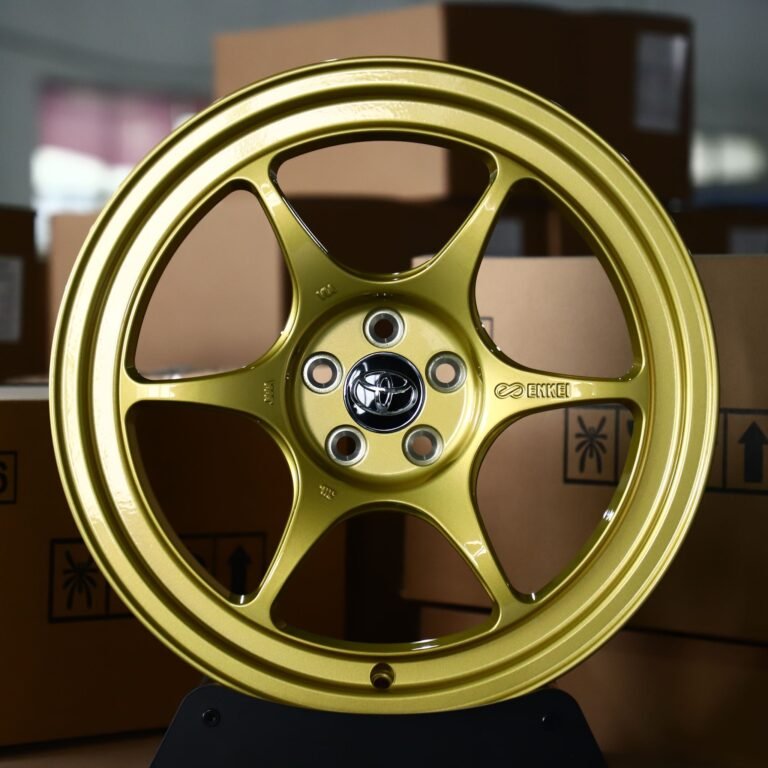
Toyota Camry / Supra Fitment · 5-Lug
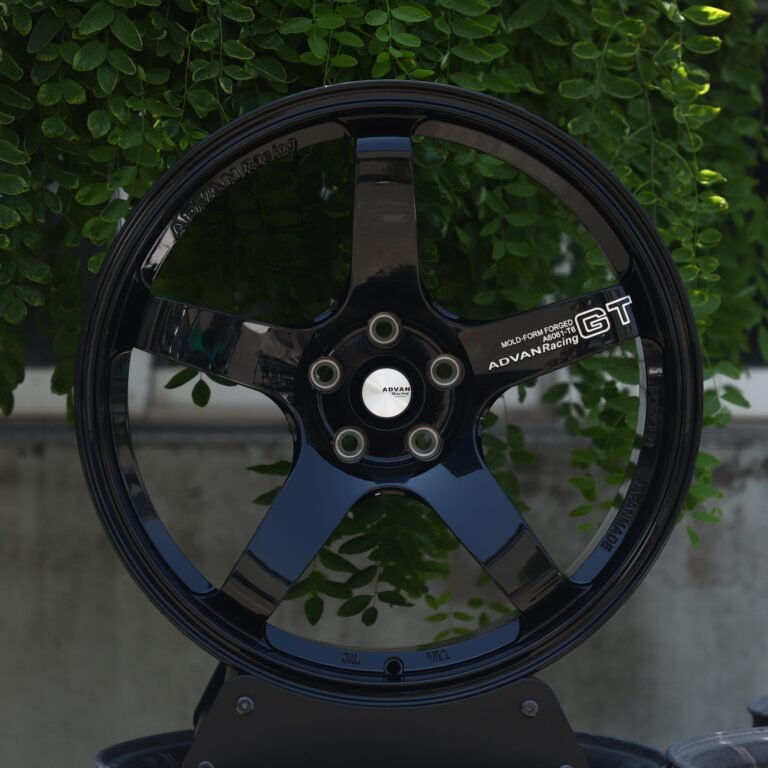
Honda S2000 / Toyota GR86 Fitment · 5-Lug
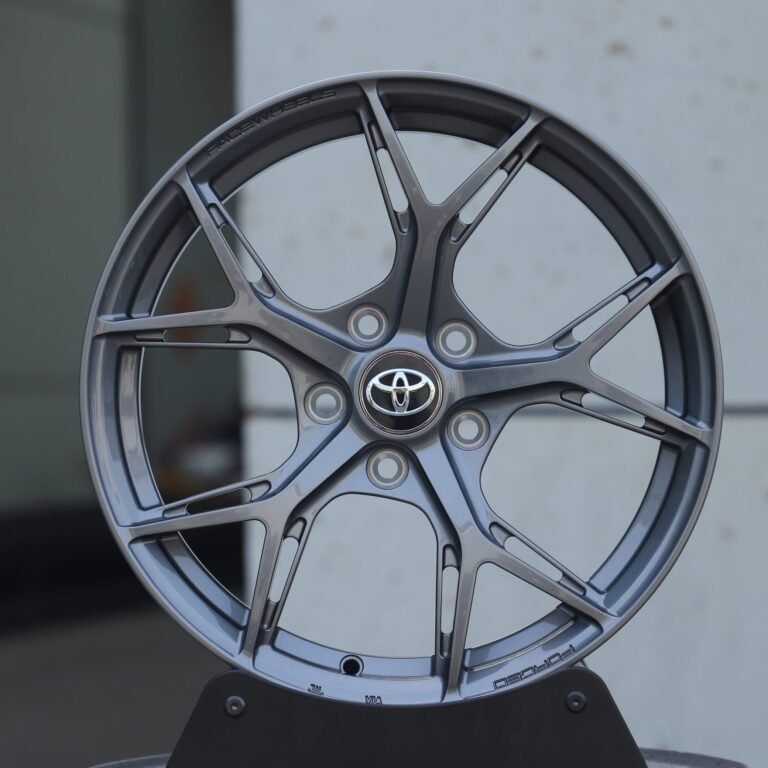
Side-Milled Metallic Gray 5 Y-Spoke
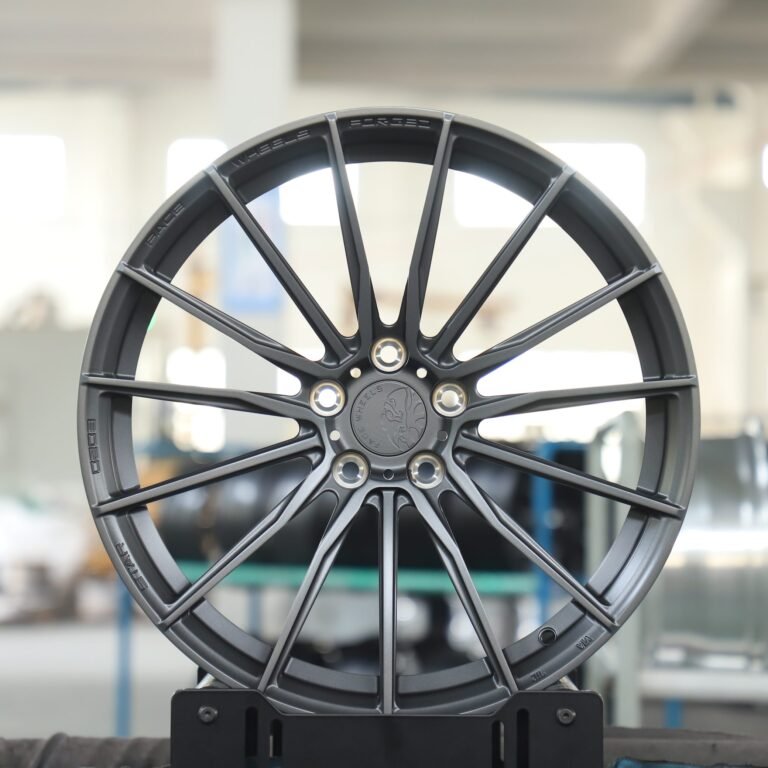
Metallic Gray 5 W-Spoke
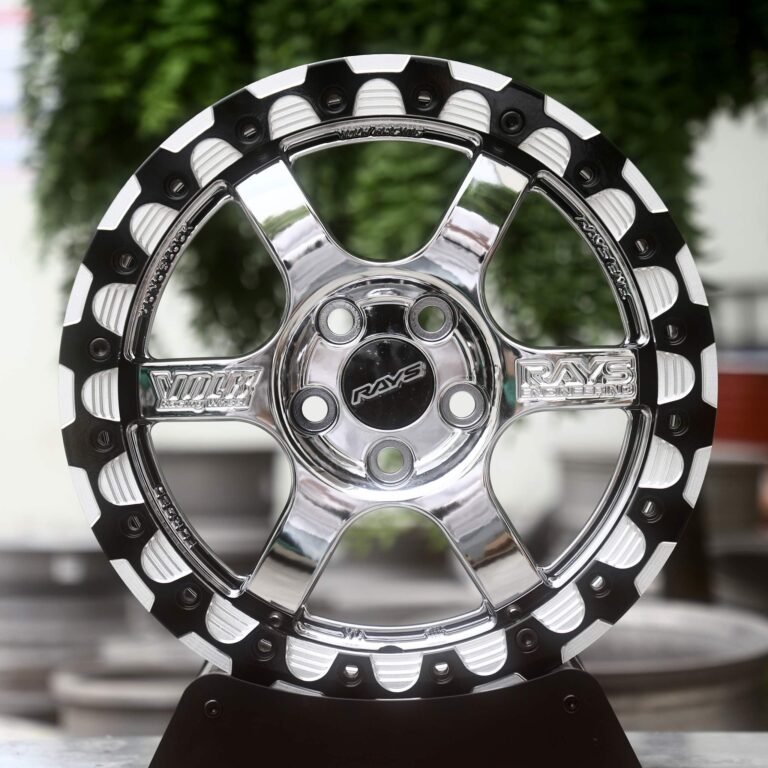
Honda Civic Type R / GR Supra Fitment · 5-Lug
Thread & Fastener: M12x1.5, conical-seat lug nut.
Factory Torque Spec: 103-110 Nm (76-81 ft-lb). Range covers most Toyota passenger cars, crossovers, and light trucks on M12x1.5 studs.
TPMS: TPMS (Tire Pressure Monitoring System) has been federally mandated on all new light vehicles sold in the US since the 2008 model year. If your wheels use OE-style sensors, have them transferred or cloned to the new wheels at installation.
Tire Pressure: Always set tire pressure to the value on your vehicle's tire placard (driver's doorjamb or glovebox), not the max PSI printed on the tire sidewall — this is trim- and tire-size-specific and stays the same reference point when you switch to a different wheel and tire combination.
Reference data compiled from published OEM service specifications and cross-checked against independent repair sources; always confirm against your owner's manual or door-jamb placard before installation.
Bolt pattern and center bore on this page were cross-checked against at least two independent sources before publication. Last reviewed 2026-10-10. Spotted an error? Email info@ankusi.com and we will verify and correct it.