2012 Toyota Prius C Wheels & Rims: Bolt Pattern, Offset & Sizes

Fitting Toyota Prius C wheels? This page gives the 2012 Toyota Prius C bolt pattern (4x100), centre bore, factory rim size and the offset range for aftermarket and forged Toyota Prius C rims: the same spec sheet ANKUSI uses when machining forged wheels for this car.

Toyota Prius C (2012): 4x100 bolt pattern, 54.1mm center bore. Factory wheels: F/R: 15x5.0J at ET39 offset, front and rear. Reference fitment ranges.

Bolt Pattern4x100
Wheel Bolt/NutM12x1.5 Nut
Center Bore54.1mm
Wheel Load Rating650–750 kg/wheel (Standard Passenger Car segment reference)
Year2012
CategoryHybrid Subcompact

✓ Data check: the bolt pattern and center bore on this page match an independent fitment reference. Last reviewed September 18, 2026. How we verify

Use this spec on your site

Paste this code into a forum post, listing or web page to show the Toyota Prius C 2012 bolt pattern, center bore and factory wheel size. Free, no sign-up.

<iframe src="https://ankusiwheels.com/wp-content/uploads/ankusi-embed/lookup.html?vehicle=toyota-prius-c-2012&card=1" width="100%" height="230" style="border:0;max-width:560px" loading="lazy" title="Toyota Prius C 2012 bolt pattern"></iframe>
<p style="font-size:13px"><a href="https://ankusiwheels.com/fitment-guide/toyota-prius-c-2012/">Toyota Prius C 2012 bolt pattern and offset guide</a> by ANKUSI Wheels</p>

More free tools: bolt pattern lookup and offset calculator for your website.

Wheel Size & Offset at a Glance

Toyota Prius C wheel size and offset comparison by configuration
ConfigurationWheel Size & Offset
Factory (OE)F/R: 15x5.0J F/R
Flush Fitment15x6.0J at ET30 offset
Maximum Aggressive16x6.5J at ET25 offset

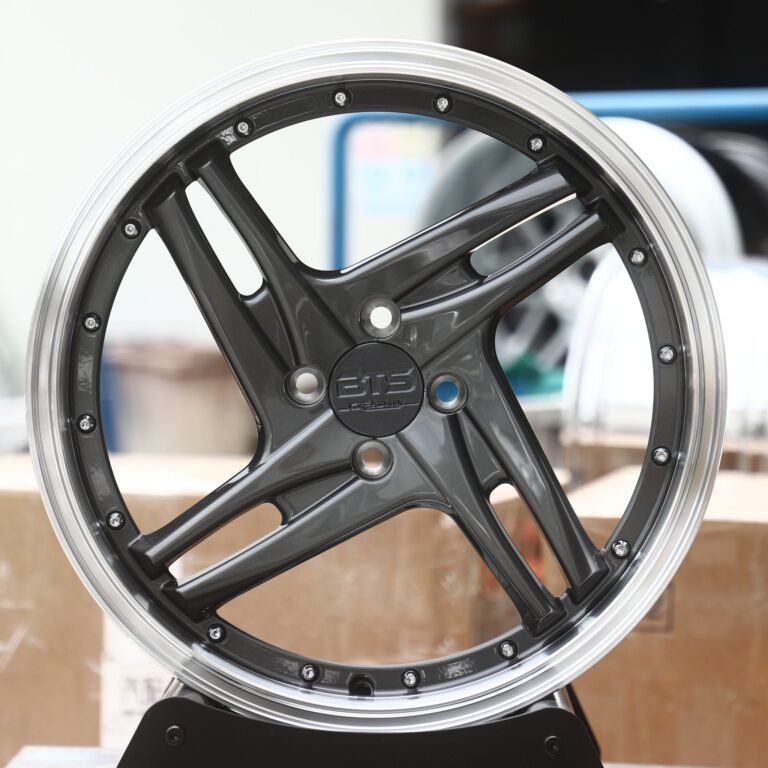
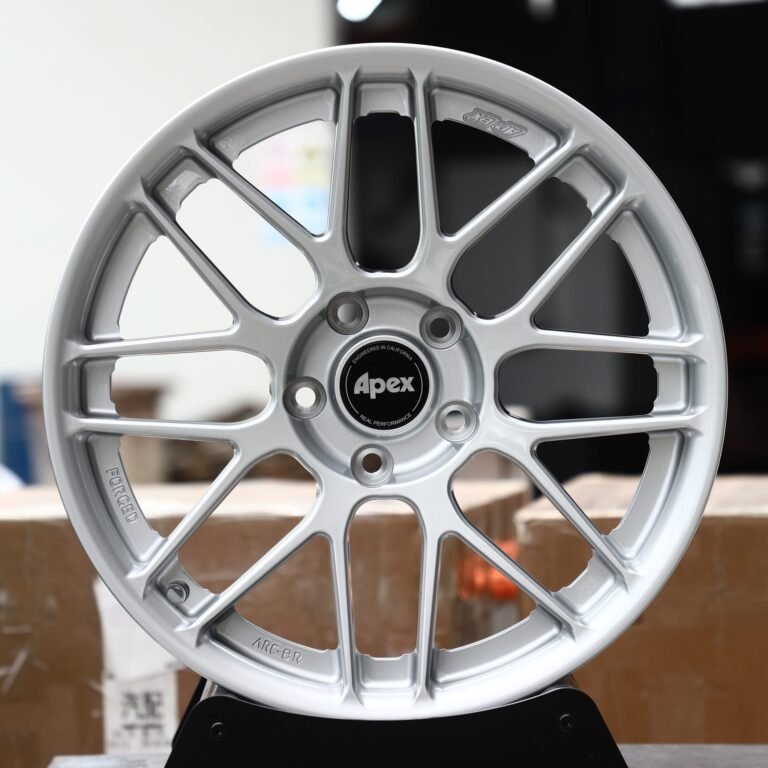
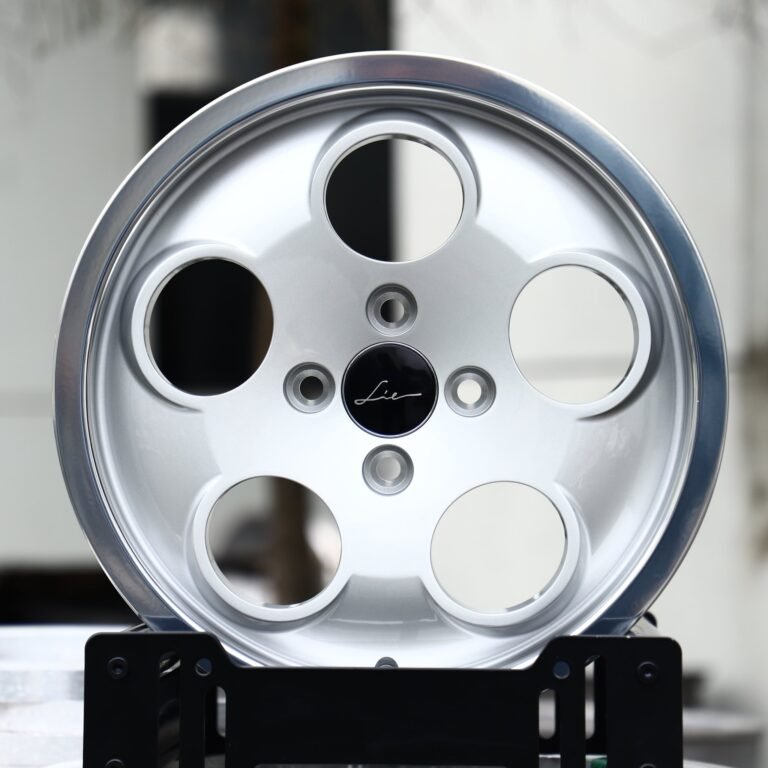
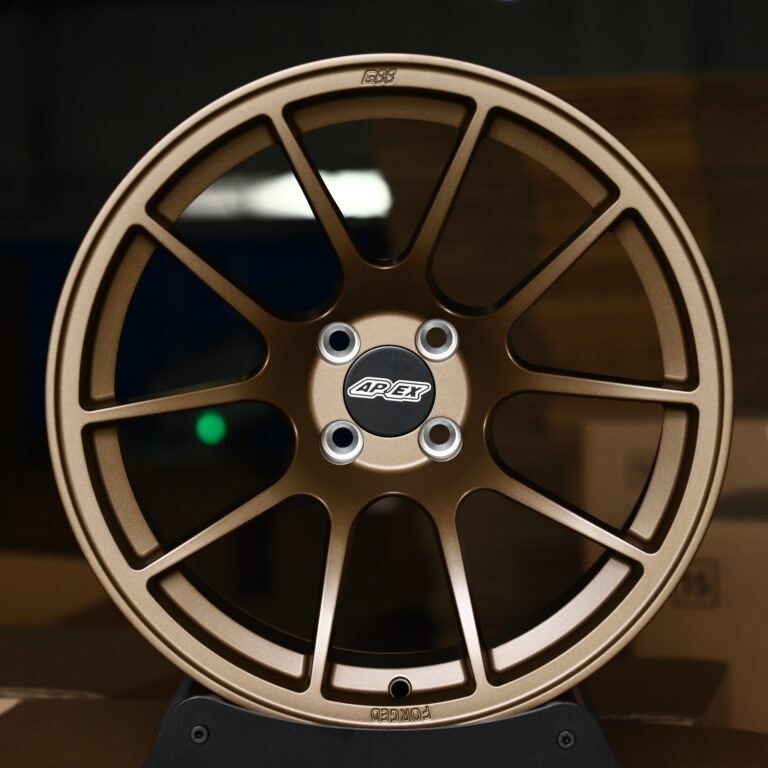
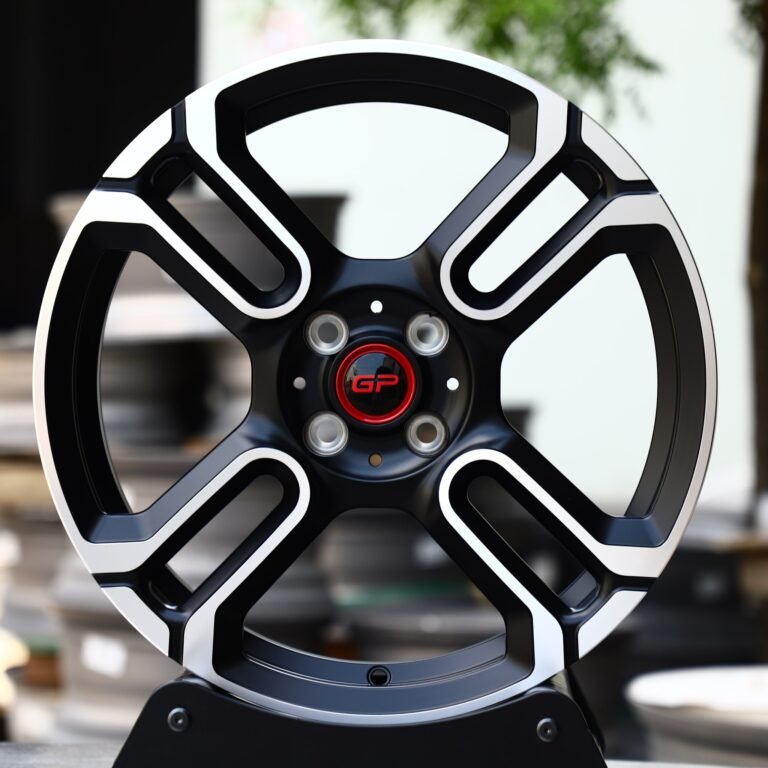
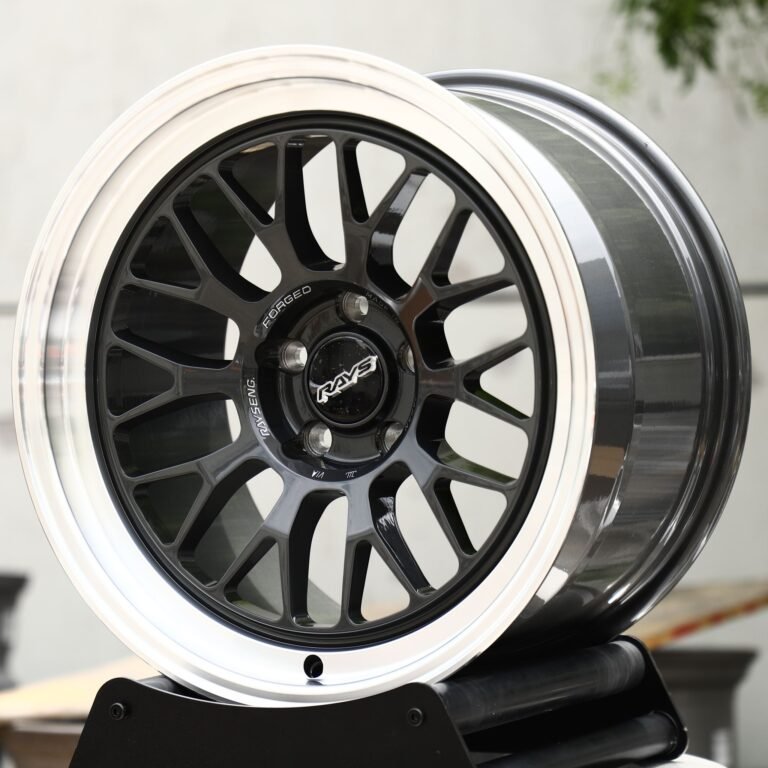
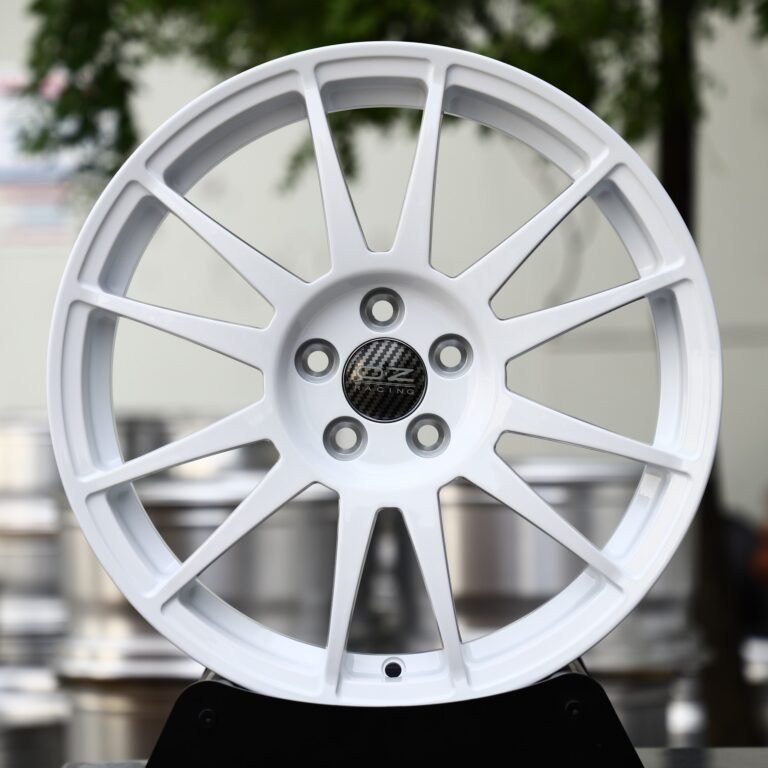
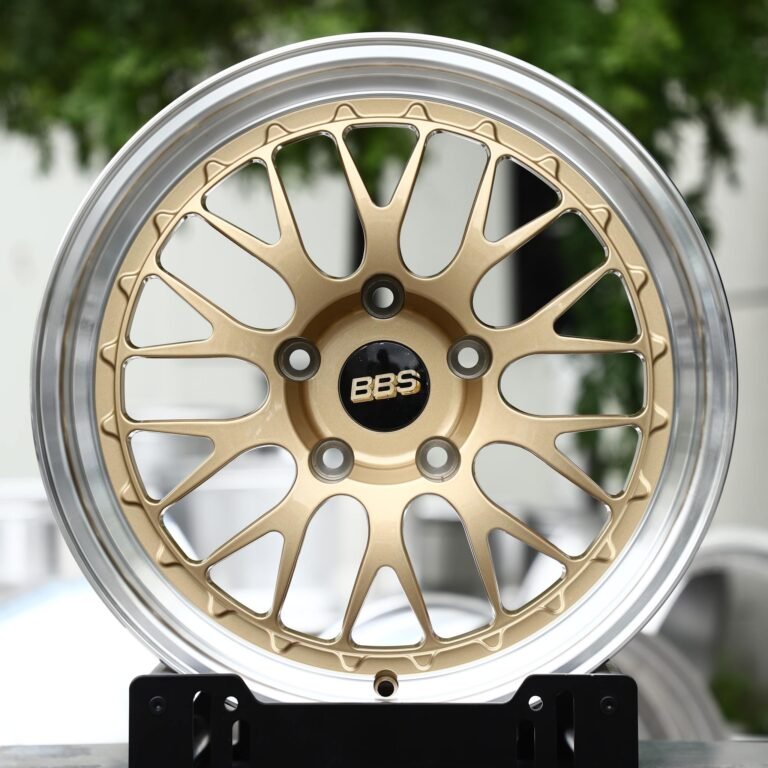
Forged Wheel Designs for the Toyota Prius C

Every design below is forged to order, so it can be machined to the Toyota Prius C's 4x100 bolt pattern and 54.1 mm center bore, with the width and offset calculated for your setup.

How to Read Wheel Offset & Measurements

Use these two references before ordering: the left diagram shows where each spec (PCD, center bore, offset, width and diameter) is measured on the wheel; the right diagram shows how positive, zero and negative offset shift the wheel face relative to the hub centerline.
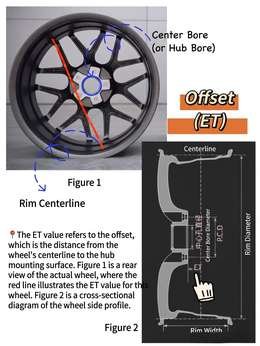
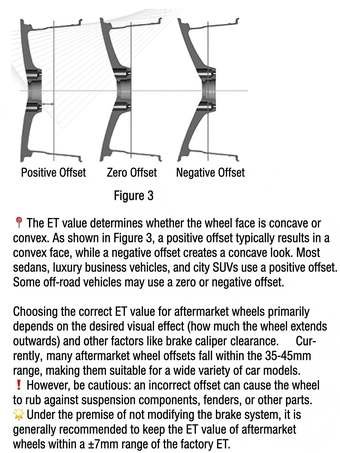
Diagram showing wheel measurement points: centerline, center bore diameter, PCD, offset, rim width and diameter
Centerline, center bore, PCD, offset, width & diameter
Diagram comparing positive, zero, and negative wheel offset relative to the wheel centerline
Positive vs. zero vs. negative offset

ANKUSI Engineering Expert Advice

A sedan's wheel spec is a balance point the factory tuned between ride comfort, steering feel, and everyday durability. Forging lets us hold that same structural margin while cutting rotational mass, which is where most of the real-world benefit — quicker steering response, marginally better ride — actually comes from.

The Toyota Prius C runs a 4x100 bolt pattern, 54.1mm center bore, and a 15x5.0J, front and rear, wheel from the factory. Our Flush Fitment reference is 15x6.0J ET30, which tucks the tire under the fender lip on a stock-height Toyota Prius C. Our Maximum Aggressive reference is 16x6.5J ET25 — beyond that offset, expect rubbing against the inner fender liner under compression without further trimming.

Toyota Prius C OE Wheel Specs

The 2012 Toyota Prius C (Hybrid Subcompact) uses a 4x100 bolt pattern with a 54.1mm center bore. Factory wheels are F/R: 15x5.0J F/R.

Why the factory spec works for most owners:

  • Balances ride comfort with everyday drivability
  • A commonly used size for this vehicle class, supporting parts and tire availability
  • Maintains clearance for the factory suspension and brake components
  • Provides stable, predictable handling across normal driving conditions

ANKUSI builds these wheels — we are the forging factory, not a reseller. For the Toyota Prius C (2012) we drill the 4x100 pattern and cut the centre bore to 54.1mm on our own CNC line, so the wheel hub-centres on the car with no spacer rings, in whatever diameter, width and offset you specify.

IATF 16949 & ISO 9001 certified · own 10,000-ton press in Guangzhou · from a single set to a full container

Converting these ET figures to backspacing? Use the wheel offset and backspacing calculator.

The figures on this page are part of our open wheel fitment dataset — 10,093 vehicles, free to download, CC BY 4.0.

Offset & Backspacing Reference

Backspacing is calculated as wheel width (in) ÷ 2 + offset (mm) ÷ 25.4 + 0.5 (flange allowance):

  • OE: F/R: 15x5.0J ET39 → ~4.54″ backspacing
  • Flush: 15x6.0J ET30 → ~4.68″ backspacing
  • Max: 16x6.5J ET25 → ~4.73″ backspacing

A Note on Clearance

Final clearance depends on the exact tire model, suspension height, brake package, alignment and vehicle tolerances. A physical test fit is recommended before production.

Want to check a different width or offset before you order? Use our Offset & Backspacing Calculator to solve the numbers yourself, or looking for your exact Toyota spec, or want a wheel built to a custom offset for your Toyota Prius C? Contact ANKUSI with your bolt pattern and offset target and we will confirm the correct forged wheel spec for your build.

Frequently Asked Questions

What bolt pattern (PCD) does the Toyota Prius C use?
The 2012 Toyota Prius C uses a 4x100 bolt pattern.
How many lug bolts does the Toyota Prius C use?
The Toyota Prius C uses a 4-lug bolt pattern (4x100), so you need a 4-lug forged wheel to bolt straight on.
What is the center bore size on the Toyota Prius C?
The Toyota Prius C's center bore is 54.1mm. If an aftermarket wheel has a larger center bore than this, hub-centric rings are recommended so the wheel centers on the hub itself rather than relying on the lug bolts alone.
What size are the factory (stock) wheels on the Toyota Prius C?
Factory wheels on the Toyota Prius C are F/R: 15x5.0J F/R.
What is the biggest wheel size I can fit on my Toyota Prius C without rubbing?
The most aggressive fitment we recommend without fender work is 16x6.5J at ET25 offset. Going beyond this typically causes rubbing under compression unless you roll the fenders or add camber correction.
What does a flush wheel fitment look like on the Toyota Prius C?
For a flush look with minimal to no rubbing, we recommend 15x6.0J at ET30 offset as a starting point on a stock or mildly lowered Toyota Prius C.
Do I need wheel spacers for my Toyota Prius C?
No. ANKUSI forges each wheel to your exact target offset, including the flush or max specs above, so you get the correct fitment without stacking spacers. Spacers are typically only used to push out an existing OE-offset wheel without replacing it, which isn't necessary when you're ordering a custom-offset forged wheel.
How do I calculate wheel backspacing for my Toyota Prius C?
Backspacing (in inches) = wheel width (in) ÷ 2 + offset (mm) ÷ 25.4 + 0.5 (flange allowance). For example, the flush spec above works out to roughly 4.68" of backspacing.
What's the difference between wheel offset and backspacing?
Offset is the distance in millimeters from the wheel's true centerline to its mounting face (positive offset pulls the wheel in, negative pushes it out). Backspacing is the distance in inches from the mounting face to the back edge of the wheel barrel. They describe the same fitment from two different reference points, which is why ANKUSI lists both above — some shops and tuning guides quote offset, others quote backspacing.
Can I run staggered wheels (different sizes front and rear) on my Toyota Prius C?
The Toyota Prius C runs the same wheel size front and rear from the factory, so staggered fitment is not required. ANKUSI can still forge a staggered set (wider rear) on request if you want a more aggressive stance.

Wheel Installation Reference: Torque, Thread & TPMS

Thread & Fastener: M12x1.5, conical-seat lug nut.

Factory Torque Spec: 103-110 Nm (76-81 ft-lb). Range covers most Toyota passenger cars, crossovers, and light trucks on M12x1.5 studs.

TPMS: TPMS (Tire Pressure Monitoring System) has been federally mandated on all new light vehicles sold in the US since the 2008 model year. If your wheels use OE-style sensors, have them transferred or cloned to the new wheels at installation.

Tire Pressure: Always set tire pressure to the value on your vehicle's tire placard (driver's doorjamb or glovebox), not the max PSI printed on the tire sidewall — this is trim- and tire-size-specific and stays the same reference point when you switch to a different wheel and tire combination.

Reference data compiled from published OEM service specifications and cross-checked against independent repair sources; always confirm against your owner's manual or door-jamb placard before installation.

← Back to the full Fitment Guide · Browse forged wheels

Contact WhatsApp Get a Quote