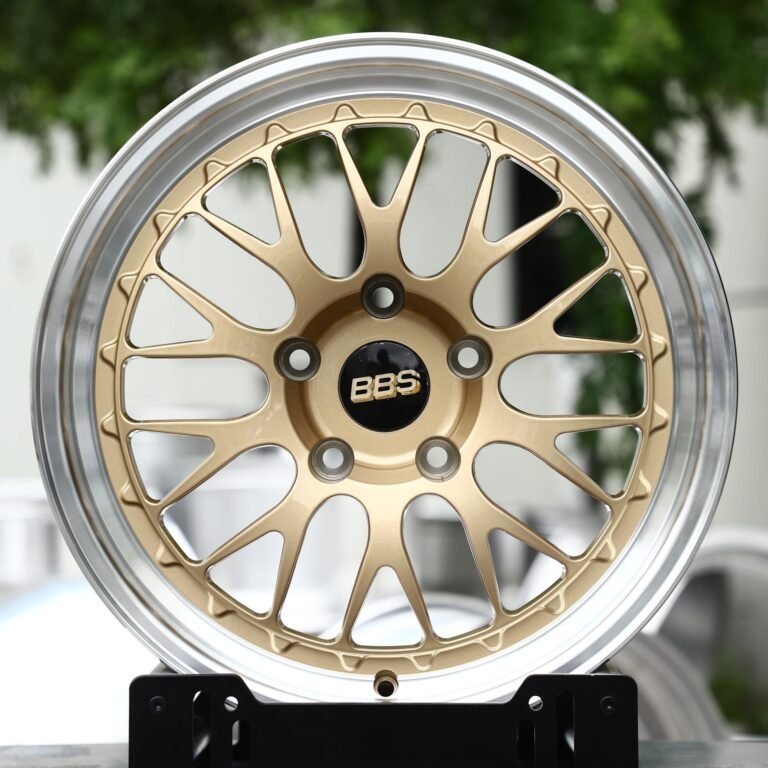
BBS-Style Gold Mesh Polished Lip Forged Wheels
Toyota Yaris / Honda Fit Fitment · 4-Lug

Fitting Toyota MR2 wheels? This page gives the 2000 Toyota MR2 bolt pattern (4x100), centre bore, factory rim size and the offset range for aftermarket and forged Toyota MR2 rims: the same spec sheet ANKUSI uses when machining forged wheels for this car.
Toyota MR2 (2000): 4x100 bolt pattern, 54.1mm center bore. Factory wheels: F: 15x6.0J R: 15x6.5J. Reference fitment ranges.
✓ Verified by ANKUSI's Engineering Team — IATF 16949 & ISO 9001 certified forged wheel manufacturer, TÜV/SFI/VIA compliant. See our factory & certifications →
| Configuration | Wheel Size & Offset |
|---|---|
| Factory (OE) | F: 15x6.0J R: 15x6.5J |
| Flush Fitment | F 16x7.0J ET38 / R 16x8.0J ET38 |
| Maximum Aggressive | F 17x7.5J ET35 / R 17x8.5J ET32 |
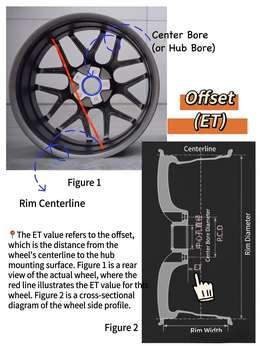
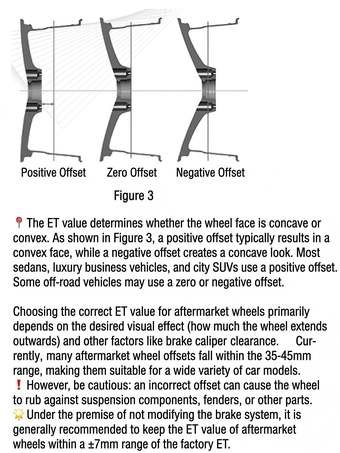
Use these two references before ordering: the left diagram shows where each spec (PCD, center bore, offset, width and diameter) is measured on the wheel; the right diagram shows how positive, zero and negative offset shift the wheel face relative to the hub centerline.
Convertibles lose some of the structural rigidity a fixed roof provides, which means the suspension and wheels end up doing more of the work to keep the chassis composed. A forged wheel keeps unsprung mass down without sacrificing the strength margin the factory built in — useful on a platform that's already managing extra flex.
The Toyota MR2 runs a 4x100 bolt pattern, 54.1mm center bore, and a F: 15x6.0J wheel from the factory. Our Flush Fitment reference is F 16x7.0J ET38 / R 16x8.0J ET38, which tucks the tire under the fender lip on a stock-height Toyota MR2. Our Maximum Aggressive reference is F 17x7.5J ET35 / R 17x8.5J ET32 — beyond that offset, expect rubbing against the inner fender liner under compression without further trimming.
The 2000 Toyota MR2 (Roadster) uses a 4x100 bolt pattern with a 54.1mm center bore. Factory wheels are F: 15x6.0J R: 15x6.5J.
Why the factory spec works for most owners:
ANKUSI builds these wheels — we are the forging factory, not a reseller. For the Toyota MR2 (2000) we drill the 4x100 pattern and cut the centre bore to 54.1mm on our own CNC line, so the wheel hub-centres on the car with no spacer rings, in whatever diameter, width and offset you specify.
Converting these ET figures to backspacing? Use the wheel offset and backspacing calculator.
The figures on this page are part of our open wheel fitment dataset — 6,436 vehicles, free to download, CC BY 4.0.
For a flush look, F 16x7.0J ET38 / R 16x8.0J ET38 is a commonly used starting point — clearance must be verified on a stock or mildly lowered Toyota MR2.
F 17x7.5J ET35 / R 17x8.5J ET32 is a more aggressive reference setup. Beyond this, expect rubbing under compression without fender rolling or camber correction.
Recommended setup: F 15x6.0J ET45 / R 15x6.5J ET50 | Economy impact: Negligible | Best for: Daily commuting, family use
Appearance: 7/10 | Comfort: 9.5/10 | Install difficulty: ★☆☆☆☆
Estimated cost: $1,200-1,500 (wheels + tires + install)
Recommended setup: F 16x6.5J ET42 / R 16x7.5J ET44 | Economy impact: -2 to -4% | Best for: Daily / street
Appearance: 8/10 | Comfort: 9/10 | Install difficulty: ★☆☆☆☆
Estimated cost: $1,950-2,550 (wheels + tires + install)
Recommended setup: F 16x7.0J ET38 / R 16x8.0J ET38 | Economy impact: -4 to -6% | Best for: Street
Appearance: 8.5/10 | Comfort: 8/10 | Install difficulty: ★★☆☆☆
Estimated cost: $2,600-3,400 (wheels + tires + install)
Recommended setup: F 17x7.5J ET37 / R 17x8.5J ET35 | Economy impact: -6 to -9% | Best for: Show / occasional track
Appearance: 9/10 | Comfort: 6.5/10 | Install difficulty: ★★★☆☆
Estimated cost: $3,900-5,000 (wheels + tires + install)
Recommended setup: F 17x7.5J ET35 / R 17x8.5J ET32 | Economy impact: -8 to -12% | Best for: Show only
Appearance: 9.5/10 | Comfort: 4/10 | Install difficulty: ★★★★☆
Estimated cost: $4,800-6,200+ (wheels + tires + install)
| Metric | Tier A | Tier B | Tier C | Tier D | Tier E |
|---|---|---|---|---|---|
| Wheel Spec | F 15x6.0J ET45 / R 15x6.5J ET50 | F 16x6.5J ET42 / R 16x7.5J ET44 | F 16x7.0J ET38 / R 16x8.0J ET38 | F 17x7.5J ET37 / R 17x8.5J ET35 | F 17x7.5J ET35 / R 17x8.5J ET32 |
| Economy Impact | Negligible | -2 to -4% | -4 to -6% | -6 to -9% | -8 to -12% |
| Appearance | 7/10 | 8/10 | 8.5/10 | 9/10 | 9.5/10 |
| Comfort | 9.5/10 | 9/10 | 8/10 | 6.5/10 | 4/10 |
| Install Difficulty | ★☆☆☆☆ | ★☆☆☆☆ | ★★☆☆☆ | ★★★☆☆ | ★★★★☆ |
| Cost Range | $1,200-1,500 | $1,950-2,550 | $2,600-3,400 | $3,900-5,000 | $4,800-6,200+ |
| Best For | Daily commuting, family use | Daily / street | Street | Show / occasional track | Show only |
The examples below are compiled from typical ANKUSI customer configurations and are labeled as reference cases, not individually verified real-world builds.
Case 1: Daily Driver (Factory-Style)
Profile: Everyday driving, prioritizes comfort and low running cost.
Setup: F 15x6.0J ET45 / R 15x6.5J ET50
Cost: ~$620
Outcome: Minimal visual change, ride and fuel economy essentially unaffected.
Case 2: Balanced Enthusiast (Balanced / Flush Fit)
Profile: Wants a sportier stance without sacrificing daily usability.
Setup: F 16x7.0J ET38 / R 16x8.0J ET38
Cost: ~$3,000
Outcome: Noticeable visual upgrade, fuel economy drop within the expected range.
Case 3: Show Build (Max Aggressive)
Profile: Built primarily for shows or occasional track/show use.
Setup: F 17x7.5J ET35 / R 17x8.5J ET32
Cost: ~$5,500
Outcome: Maximum visual impact; daily comfort and fuel economy are heavily compromised, physical test fit required before production.
Backspacing is calculated as wheel width (in) ÷ 2 + offset (mm) ÷ 25.4 + 0.5 (flange allowance):
Final clearance depends on the exact tire model, suspension height, brake package, alignment and vehicle tolerances. A physical test fit is recommended before production.
Want to check a different width or offset before you order? Use our Offset & Backspacing Calculator to solve the numbers yourself, or looking for your exact Toyota spec, or want a wheel built to a custom offset for your Toyota MR2? Contact ANKUSI with your bolt pattern and offset target and we will confirm the correct forged wheel spec for your build.
Everything above is reference data. If you want wheels actually built to it, that is what ANKUSI does: we are a forged wheel factory in Guangzhou, China, IATF 16949 and ISO 9001 certified, forging on our own 10,000-ton press and producing over 120,000 wheels a year. Forging blank, CNC machining, finishing, coating and inspection all happen in the same building — nothing is subcontracted and nothing is relabelled from another manufacturer.
Every set is cut to order, so the 4x100 pattern and the 54.1mm centre bore are machined for this car specifically rather than shimmed with adaptor rings. Diameter, width, offset, concavity, monoblock or multi-piece construction and the finish are all yours to choose.
Designs we already tool for the 4x100 pattern — each one is re-cut to your sizes and offsets:
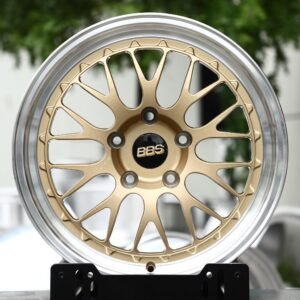 BBS-Style Gold Mesh Polished Lip Forged Wheels – Toyota Yaris / Honda Fit Fitment (4-Lug)
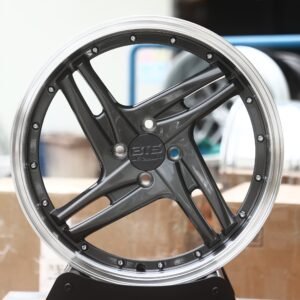 BTS-Style Gunmetal Twin 5-Spoke 2-Piece Riveted Polished Lip Forged Wheels – Toyota Yaris / Honda Fit Fitment (4-Lug)
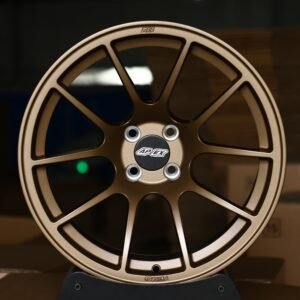 APEX-Style Matte Bronze 8 Y-Spoke Mesh Forged Wheels – Mazda MX-5 / Honda Fit Fitment (4-Lug)
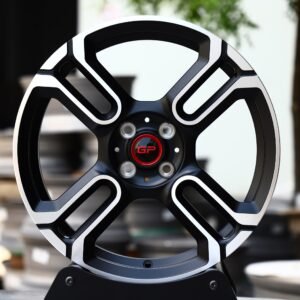 Nissan Micra / Alfa Romeo MiTo Forged Wheels – Black / Machined 4-Spoke (4-Lug)
Every design below is forged to order, so it can be machined to the Toyota MR2's 4x100 bolt pattern and 54.1 mm center bore, with the width and offset calculated for your setup.
Toyota Yaris / Honda Fit Fitment · 4-Lug
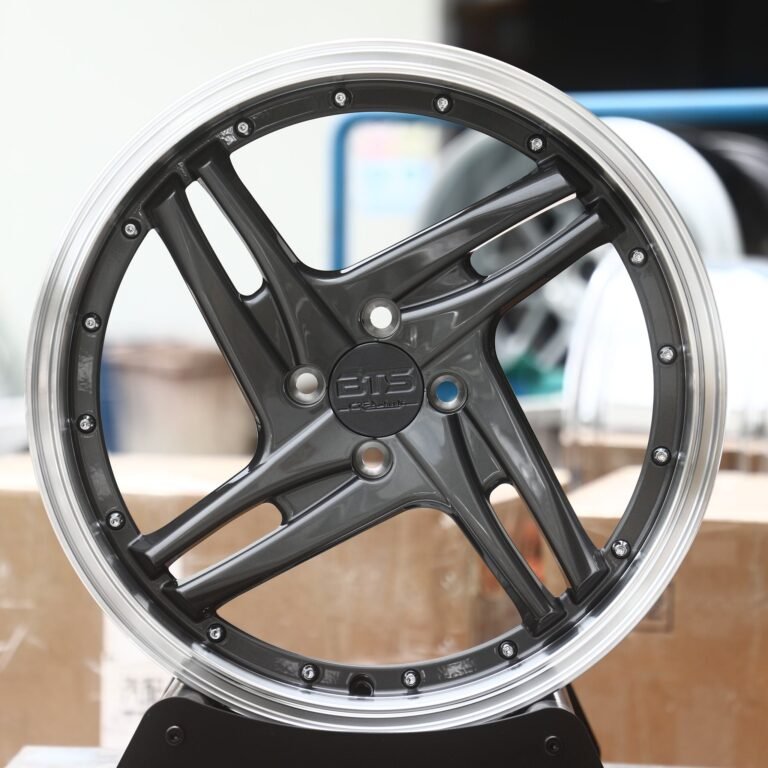
Toyota Yaris / Honda Fit Fitment · 4-Lug
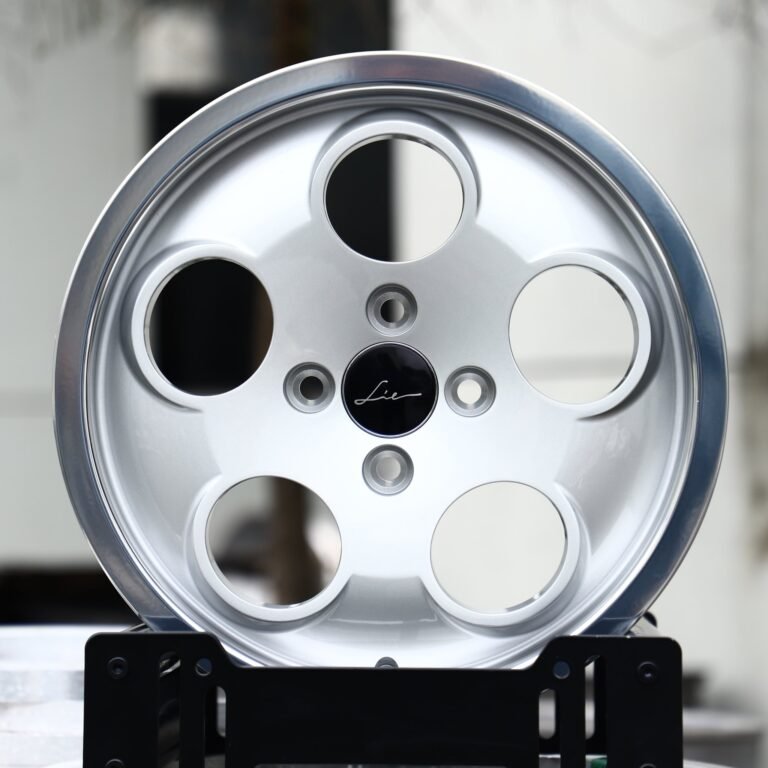
Silver Round-Hole Steelie-Style · 4-Lug
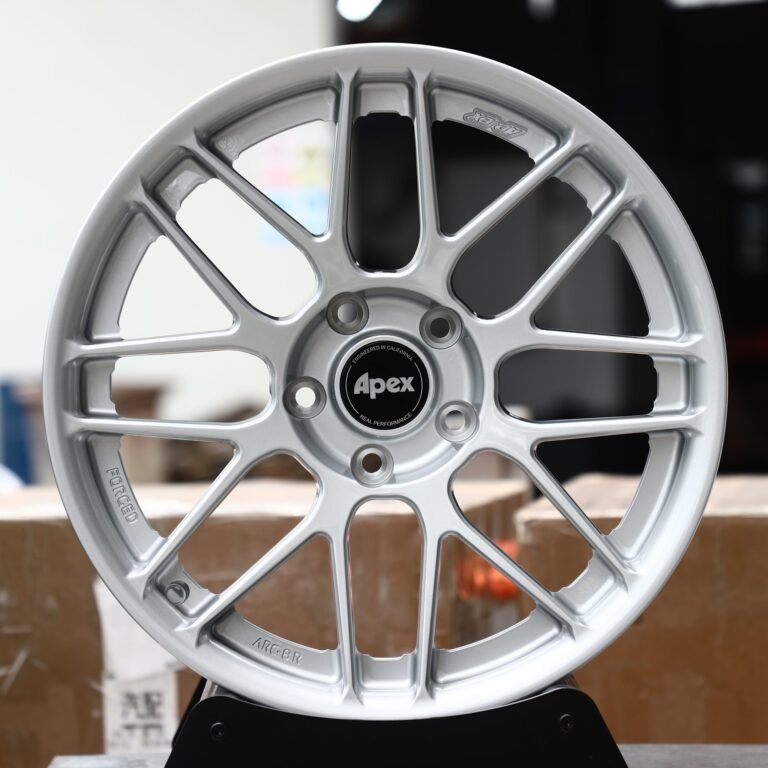
Fiat 500 / Mini Cooper Fitment · 4-Lug
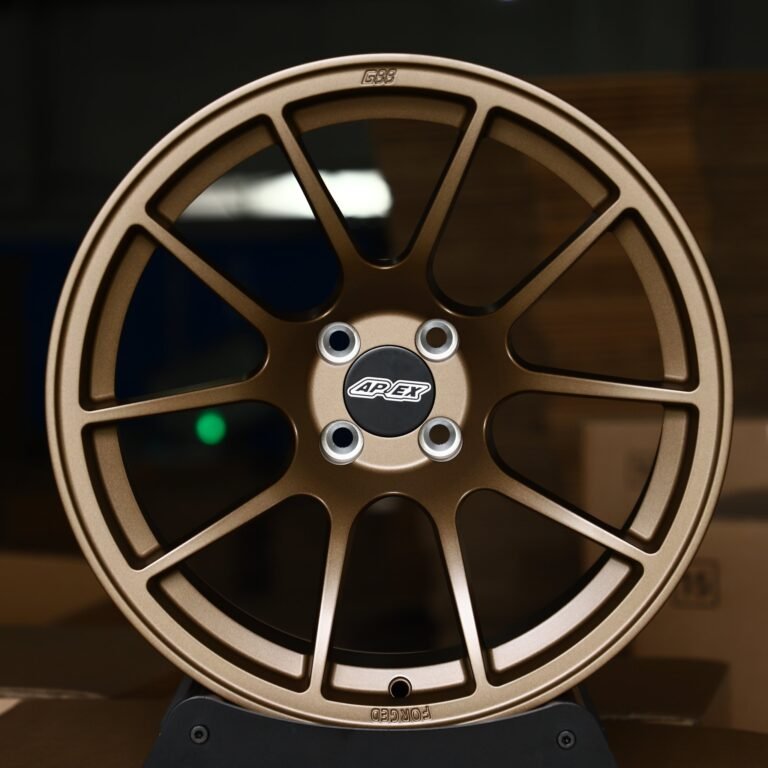
Mazda MX-5 / Honda Fit Fitment · 4-Lug
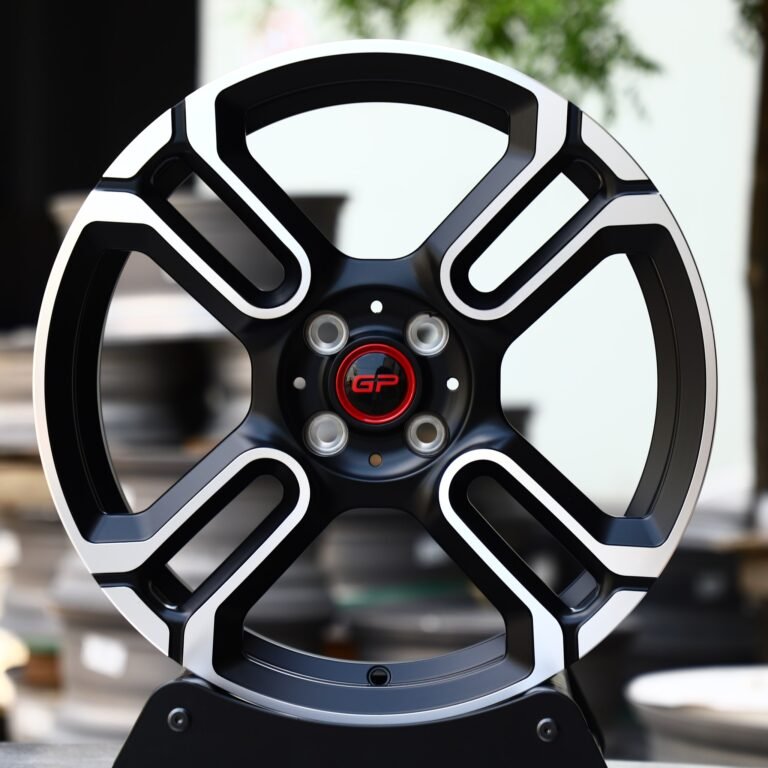
Black / Machined 4-Spoke · 4-Lug
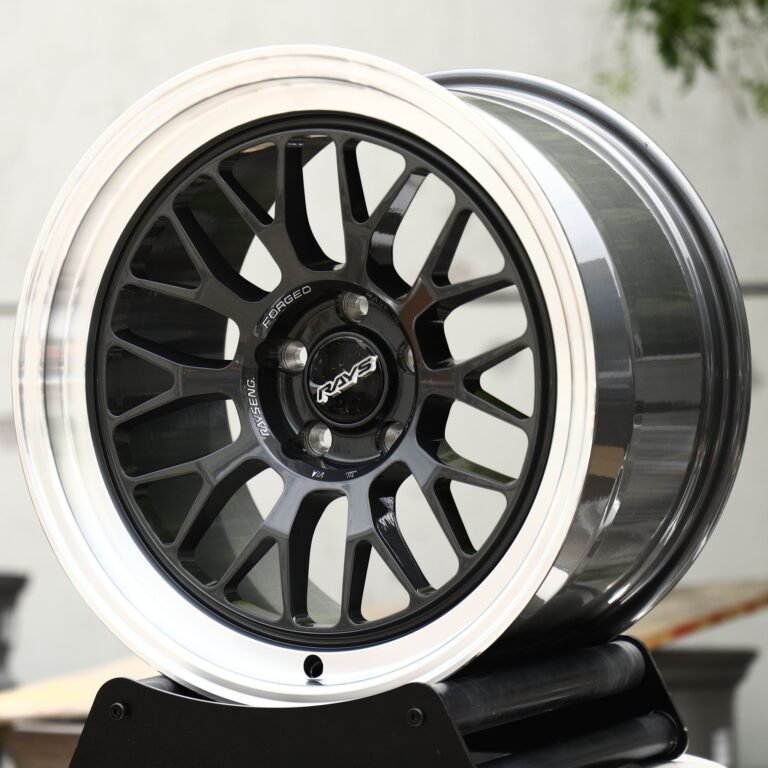
Fiat 500 / Mini Cooper Fitment · 4-Lug
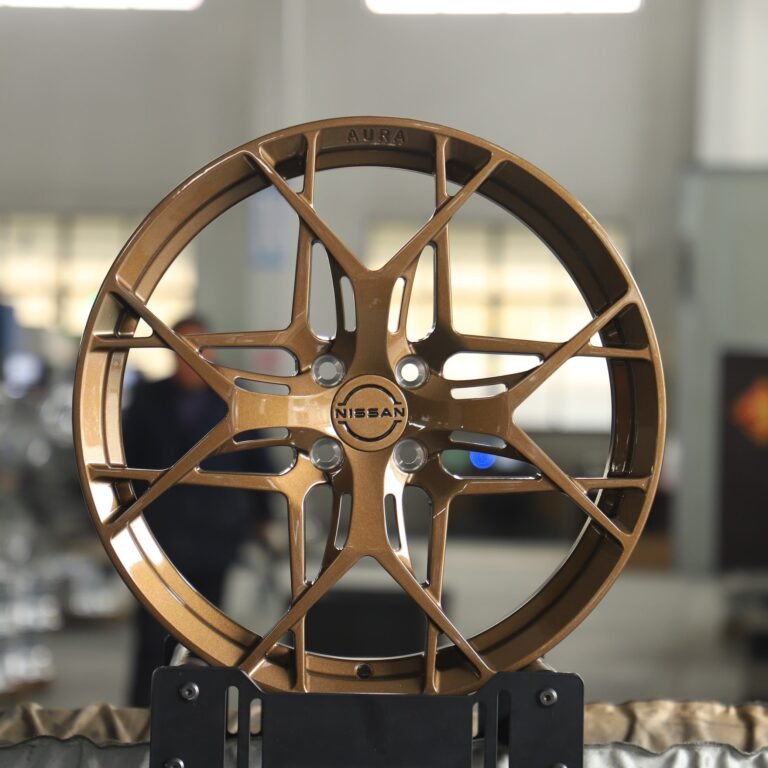
Bronze Gold Cross-Spoke · 4-Lug
Thread & Fastener: M12x1.5, conical-seat lug nut.
Factory Torque Spec: 103-110 Nm (76-81 ft-lb). Range covers most Toyota passenger cars, crossovers, and light trucks on M12x1.5 studs.
TPMS: Vehicles built before the 2008 model year were not federally required to carry factory TPMS in the US, though many manufacturers adopted it earlier; verify whether your specific build has TPMS before ordering sensor-compatible wheels.
Tire Pressure: Always set tire pressure to the value on your vehicle's tire placard (driver's doorjamb or glovebox), not the max PSI printed on the tire sidewall — this is trim- and tire-size-specific and stays the same reference point when you switch to a different wheel and tire combination.
Reference data compiled from published OEM service specifications and cross-checked against independent repair sources; always confirm against your owner's manual or door-jamb placard before installation.