
Transparent Black Petal Forged Wheels
Monoblock · Transparent Black

Fitting Tesla Model Y wheels? This page gives the 2025 Tesla Model Y bolt pattern (5x114.3), centre bore, factory rim size and the offset range for aftermarket and forged Tesla Model Y rims: the same spec sheet ANKUSI uses when machining forged wheels for this car.
Quick answer: The 2025 Tesla Model Y uses a 5x114.3 bolt pattern with a 64.1 mm centre bore and M14x1.5 lug nuts. Factory wheels: 19x9.5J ET45 (255/45R19) or 20x9.5J ET45 (255/40R20), front and rear.
Forged wheels for the 2025 Tesla Model Y — drilled 5x114.3 with a 64.1 mm centre bore, built to the offset you choose. From $220 per wheel, made to order in 20–25 days.
Tesla Model Y (2025): 5x114.3 bolt pattern, 64.1mm center bore. Factory wheels: 19x9.5J at ET45 offset, front and rear. Reference fitment ranges.
✓ Data check: the bolt pattern and center bore on this page match an independent fitment reference. Last reviewed September 25, 2026. How we verify
Every design below is forged to order, so it can be machined to the Tesla Model Y's 5x114.3 bolt pattern and 64.1 mm center bore, with the width and offset calculated for your setup.
Monoblock · Transparent Black

Replica · Matte Black

Replica · Brushed Silver
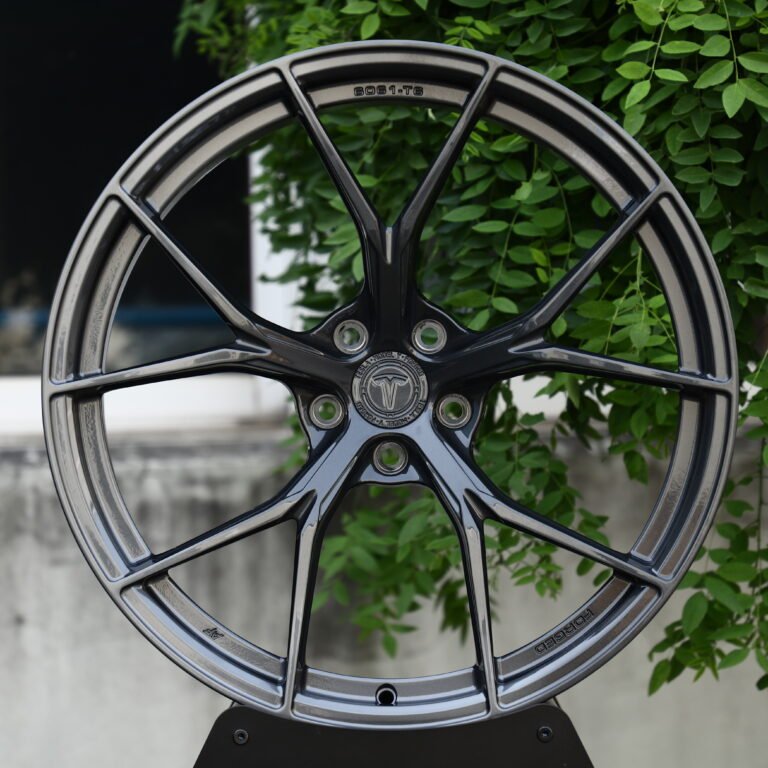

Replica · Black Machined
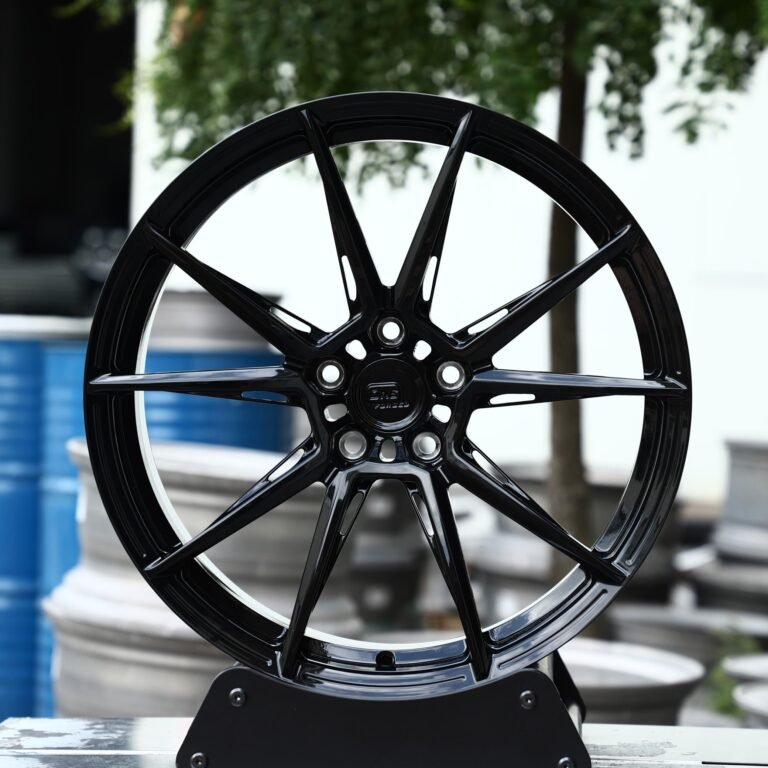
Monoblock · Gloss Black

Replica · Matte Silver
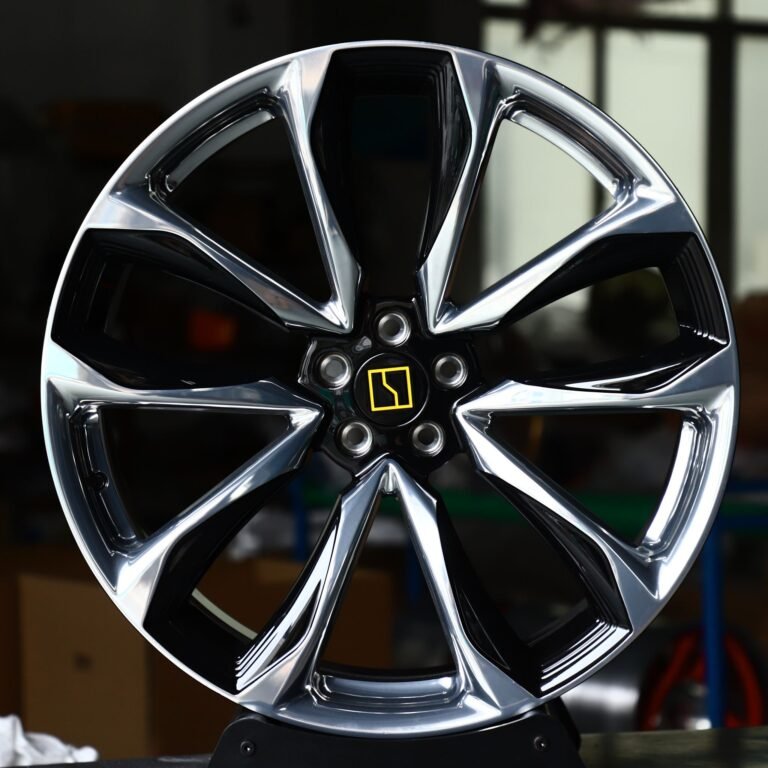
Monoblock · Gloss Black
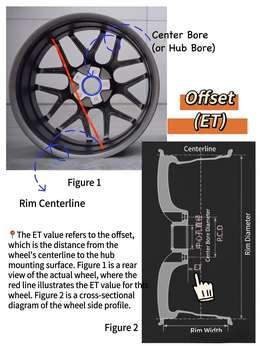
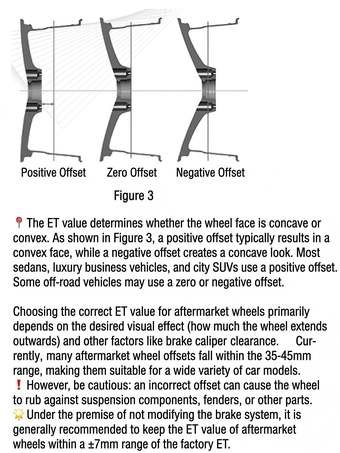
Use these two references before ordering: the left diagram shows where each spec (PCD, center bore, offset, width and diameter) is measured on the wheel; the right diagram shows how positive, zero and negative offset shift the wheel face relative to the hub centerline.
Electric SUVs like the Model Y combine two separate weight penalties at the wheel: the SUV body style's higher center of gravity, and the battery pack's extra curb weight versus a combustion equivalent. Both make rotational mass at the wheel more costly than on a comparable gas-powered sedan — it works against handling the same way it always does, and it also drags down the range figures the factory tuned the whole platform around. Forging keeps the wheel light at the same strength rating, which is a more meaningful trade-off here than on most other vehicle types.
The Tesla Model Y runs a 5x114.3 bolt pattern, 64.1mm center bore, and a 19x9.5J ET45 wheel from the factory.
The 2025 Tesla Model Y uses a 5x114.3 bolt pattern with a 64.1mm center bore. Factory wheels are 19x9.5J ET45 (255/45R19) or 20x9.5J ET45 (255/40R20), front and rear.
These are the 2025 facelift factory sizes, checked against wheel-size.com and avtoreference.com.
ANKUSI builds these wheels — we are the forging factory, not a reseller. For the Tesla Model Y (2025) we drill the 5x114.3 pattern and cut the centre bore to 64.1mm on our own CNC line, so the wheel hub-centres on the car with no spacer rings, in whatever diameter, width and offset you specify.
Converting these ET figures to backspacing? Use the wheel offset and backspacing calculator.
The figures on this page are part of our open wheel fitment dataset — 10,093 vehicles, free to download, CC BY 4.0.
Since debuting in 2021, the Tesla Model Y has become the best-selling electric SUV in the world. The 2025 model year brings meaningful upgrades to powertrain, range, and design language. The factory setup uses a 5x114.3 PCD, 64.1mm center bore, and 19x9.5J ET45 wheel configuration.
Why the factory runs 19x9.5J ET45:
The examples below are compiled from typical ANKUSI customer configurations and are labeled as reference cases; results vary by vehicle condition, road conditions, and driving habits.
Case 1: Range-Focused Owner (Tier A)
Profile: Mostly daily commuting, roughly 80km round trip, very focused on range.
Setup: 19x9.0J ET40 + Michelin Primacy 4 tires
Cost: ~$950 (including install and balancing)
Outcome: Noticeable visual upgrade, essentially no perceived range change, high satisfaction.
Case 2: Balanced Look-and-Performance Owner (Tier C)
Profile: Occasional spirited weekend driving, wants a sportier look without sacrificing daily usability.
Setup: 21x9.5J ET35 + Continental ExtremeContact tires + 4-wheel alignment
Cost: ~$3,900
Outcome: Large visual upgrade, range dropped about 7% (within expectations), noticeably sharper handling.
Case 3: Track Day Enthusiast (Tier D)
Profile: Attends track days 1-2 times a month, chasing maximum handling performance.
Setup: 22x10.0J ET32 + Eibach Pro-Kit lowering springs + front brake cooling ducts
Cost: ~$6,200 (including suspension and brake upgrades)
Outcome: Significant track performance improvement, daily range down about 10%, tire wear should be checked regularly.
| Year | Bolt pattern | Center bore | Factory wheel |
|---|---|---|---|
| 2021 | 5x114.3 | 64.1 mm | 19x9.5J ET45 |
| 2025 | 5x114.3 | 64.1 mm | 19x9.5J ET45 |
Bolt pattern and center bore stay the same across all 2 model years in our database (2021–2025).
In our database, 36 other vehicle entries from 7 makes use exactly the same 5x114.3 bolt pattern and 64.1 mm center bore. Factory wheels from these cars bolt on and center on the hub without rings; offset and width still have to be checked.
5x114.3 is used by 20.0% of the vehicle pages in our English fitment guide (1,300 of 6,503); 2.8% of those also use a 64.1 mm center bore.
A wheel with a center bore larger than 64.1 mm needs a hub-centric ring. The most common combinations:
| Wheel bore | Ring size |
|---|---|
| 65.1 mm | 65.1 → 64.1 mm |
| 66.1 mm | 66.1 → 64.1 mm |
| 66.6 mm | 66.6 → 64.1 mm |
| 67.1 mm | 67.1 → 64.1 mm |
| 73.1 mm | 73.1 → 64.1 mm |
ANKUSI forged wheels are bored to exactly 64.1 mm for this vehicle, so no ring is needed.
Have another question? Use our Offset & Backspacing Calculator to check the numbers yourself, or contact ANKUSI for a build recommendation tailored to your car.
Data checked against: avtoreference.com.
This record is part of the open ANKUSI Wheel Fitment Dataset (DOI 10.5281/zenodo.23241521, CC BY 4.0).
Other cars on the same factory size: 19x9.5 wheels · 19 inch wheels.
Compiled by the ANKUSI Wheels engineering team, an IATF 16949 and ISO 9001 certified forged wheel factory in Guangzhou.