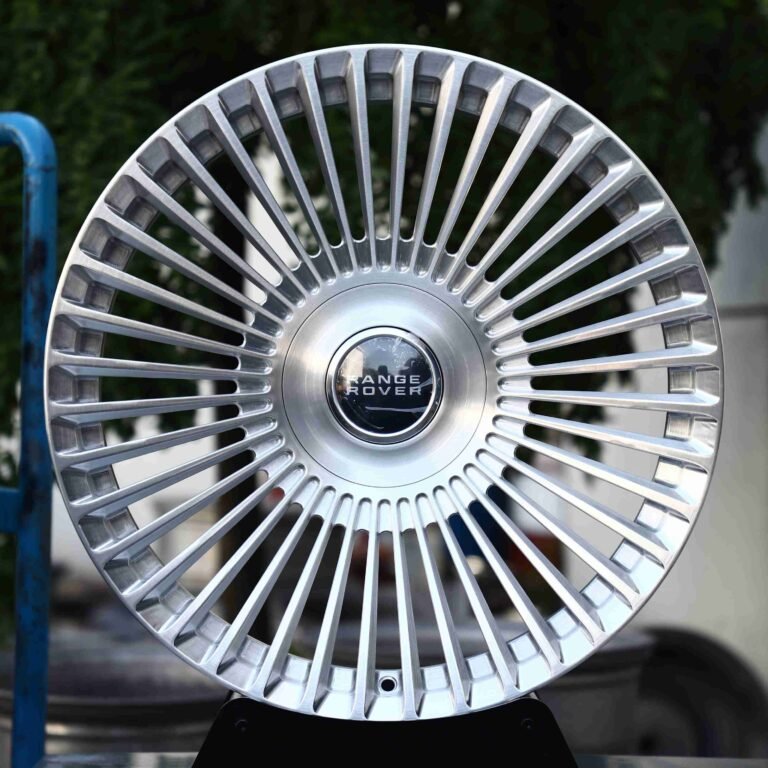
Land Rover OEM-Style Brushed Silver Multi-Spoke Turbine Forged Wheels
Land Rover Range Rover / Defender Fitment · 5-Lug

Fitting Land Rover Range Rover wheels? This page gives the 1970 Land Rover Range Rover bolt pattern (5x165.1), centre bore, factory rim size and the offset range for aftermarket and forged Land Rover Range Rover rims: the same spec sheet ANKUSI uses when machining forged wheels for this car.
Quick answer: The 1970 Land Rover Range Rover uses a 5x165.1 bolt pattern with a 114.3 mm centre bore and M14x1.5 lug nuts. Factory wheels: 16x6J at ET33. For aftermarket wheels, 16x7J ET15 sits flush and 16x8J ET0 is the most aggressive fit.
Forged wheels for the 1970 Land Rover Range Rover — drilled 5x165.1 with a 114.3 mm centre bore, built to the offset you choose. From $220 per wheel, made to order in about 25 days.
Land Rover Range Rover (1970): 5x165.1 bolt pattern, 114.3mm center bore. Factory wheels: 16x6J. Reference fitment ranges.
✓ Data check: the bolt pattern and center bore on this page match an independent fitment reference. Last reviewed September 18, 2026. How we verify
Built to order by ANKUSI — IATF 16949 & ISO 9001 certified forged wheel manufacturer, TÜV/SFI/VIA compliant. See our factory & certifications →
| Configuration | Wheel Size & Offset |
|---|---|
| Factory (OE) | 16x6J at ET33 |
| Flush Fitment | 16x7J at ET15 offset |
| Maximum Aggressive | 16x8J at ET0 offset |

Use these two references before ordering: the left diagram shows where each spec (PCD, center bore, offset, width and diameter) is measured on the wheel; the right diagram shows how positive, zero and negative offset shift the wheel face relative to the hub centerline.
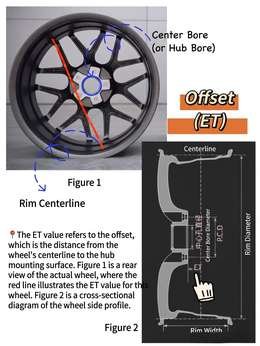
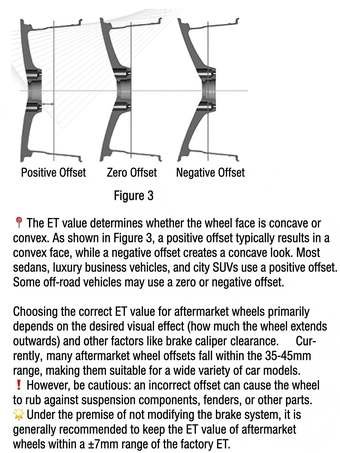
SUVs carry more curb weight higher off the ground, so wheel strength and rotational mass both matter more than on a comparable sedan — a heavier wheel amplifies body roll and slows steering response exactly where the platform is already working hardest. Forging keeps the wheel light without giving up the load rating the factory suspension geometry was tuned around.
The Land Rover Range Rover runs a 5x165.1 bolt pattern, 114.3mm center bore, and a 16x6J at ET33, front and rear, wheel from the factory. Our Flush Fitment reference is 16x7J ET15, which tucks the tire under the fender lip on a stock-height Land Rover Range Rover. Our Maximum Aggressive reference is 16x8J ET0 — beyond that offset, expect rubbing against the inner fender liner under compression without further trimming.
The 1970 Land Rover Range Rover (SUV) uses a 5x165.1 bolt pattern with a 114.3mm center bore. Factory wheels are 16x6J at ET33.
Why the factory spec works for most owners:
ANKUSI builds these wheels — we are the forging factory, not a reseller. For the Land Rover Range Rover (1970) we drill the 5x165.1 pattern and cut the centre bore to 114.3mm on our own CNC line, so the wheel hub-centres on the car with no spacer rings, in whatever diameter, width and offset you specify.
Converting these ET figures to backspacing? Use the wheel offset and backspacing calculator.
The figures on this page are part of our open wheel fitment dataset — 10,093 vehicles, free to download, CC BY 4.0.
For a flush look with minimal rubbing, 16x7J ET15 is the recommended starting point on a stock or mildly lowered Land Rover Range Rover.
16x8J ET0 is a more aggressive reference setup. Beyond this, expect rubbing under compression without fender rolling or camber correction.
Wheels: First-generation classic. Retain original Rostyle steel wheels or equivalent period sizing for value retention.
Recommended setup: 16x6.0J ET33 | Economy impact: Negligible | Best for: Daily commuting, family use
Appearance: 7/10 | Comfort: 9.5/10 | Install difficulty: ★☆☆☆☆
Estimated cost: $1,200-1,500 (wheels + tires + install)
Recommended setup: 16x6.5J ET24 | Economy impact: -2 to -4% | Best for: Daily / street
Appearance: 8/10 | Comfort: 9/10 | Install difficulty: ★☆☆☆☆
Estimated cost: $1,950-2,550 (wheels + tires + install)
Recommended setup: 16x7.0J ET15 | Economy impact: -4 to -6% | Best for: Street
Appearance: 8.5/10 | Comfort: 8/10 | Install difficulty: ★★☆☆☆
Estimated cost: $2,600-3,400 (wheels + tires + install)
Recommended setup: 16x7.5J ET8 | Economy impact: -6 to -9% | Best for: Show / occasional track
Appearance: 9/10 | Comfort: 6.5/10 | Install difficulty: ★★★☆☆
Estimated cost: $3,900-5,000 (wheels + tires + install)
Recommended setup: 16x8.0J ET0 | Economy impact: -8 to -12% | Best for: Show only
Appearance: 9.5/10 | Comfort: 4/10 | Install difficulty: ★★★★☆
Estimated cost: $4,800-6,200+ (wheels + tires + install)
| Metric | Tier A | Tier B | Tier C | Tier D | Tier E |
|---|---|---|---|---|---|
| Wheel Spec | 16x6.0J ET33 | 16x6.5J ET24 | 16x7.0J ET15 | 16x7.5J ET8 | 16x8.0J ET0 |
| Economy Impact | Negligible | -2 to -4% | -4 to -6% | -6 to -9% | -8 to -12% |
| Appearance | 7/10 | 8/10 | 8.5/10 | 9/10 | 9.5/10 |
| Comfort | 9.5/10 | 9/10 | 8/10 | 6.5/10 | 4/10 |
| Install Difficulty | ★☆☆☆☆ | ★☆☆☆☆ | ★★☆☆☆ | ★★★☆☆ | ★★★★☆ |
| Cost Range | $1,200-1,500 | $1,950-2,550 | $2,600-3,400 | $3,900-5,000 | $4,800-6,200+ |
| Best For | Daily commuting, family use | Daily / street | Street | Show / occasional track | Show only |
The examples below are compiled from typical ANKUSI customer configurations and are labeled as reference cases, not individually verified real-world builds.
Case 1: Daily Driver (Factory-Style)
Profile: Everyday driving, prioritizes comfort and low running cost.
Setup: 16x6.0J ET33
Cost: ~$620
Outcome: Minimal visual change, ride and fuel economy essentially unaffected.
Case 2: Balanced Enthusiast (Balanced / Flush Fit)
Profile: Wants a sportier stance without sacrificing daily usability.
Setup: 16x7.0J ET15
Cost: ~$3,000
Outcome: Noticeable visual upgrade, fuel economy drop within the expected range.
Case 3: Show Build (Max Aggressive)
Profile: Built primarily for shows or occasional track/show use.
Setup: 16x8.0J ET0
Cost: ~$5,500
Outcome: Maximum visual impact; daily comfort and fuel economy are heavily compromised, physical test fit required before production.
Backspacing is calculated as wheel width (in) ÷ 2 + offset (mm) ÷ 25.4 + 0.5 (flange allowance):
Final clearance depends on the exact tire model, suspension height, brake package, alignment and vehicle tolerances. A physical test fit is recommended before production.
Want to check a different width or offset before you order? Use our Offset & Backspacing Calculator to solve the numbers yourself, or looking for your exact Land Rover spec, or want a wheel built to a custom offset for your Land Rover Range Rover? Contact ANKUSI with your bolt pattern and offset target and we will confirm the correct forged wheel spec for your build.
Everything above is reference data. If you want wheels actually built to it, that is what ANKUSI does: we are a forged wheel factory in Guangzhou, China, IATF 16949 and ISO 9001 certified, forging on our own 10,000-ton press and producing over 120,000 wheels a year. Forging blank, CNC machining, finishing, coating and inspection all happen in the same building — nothing is subcontracted and nothing is relabelled from another manufacturer.
Every set is cut to order, so the 5x165.1 pattern and the 114.3mm centre bore are machined for this car specifically rather than shimmed with adaptor rings. Diameter, width, offset, concavity, monoblock or multi-piece construction and the finish are all yours to choose — most Land Rover orders on this platform land somewhere between the 16x7J ET15 flush setup and the 16x8J ET0 aggressive setup referenced above.
Designs we already tool for the 5x165.1 pattern — each one is re-cut to your sizes and offsets:
 Land Rover Range Rover / Defender Forged Wheels – Gloss Black Multi-Spoke Directional Milled Machined Face
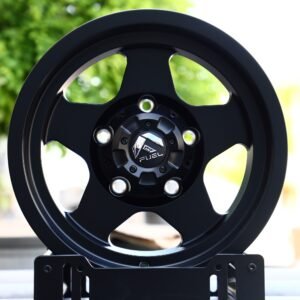 Fuel-Style Gloss Black 5-Spoke Off-Road Forged Wheels – Jeep Wrangler / Land Cruiser Fitment (5-Lug)
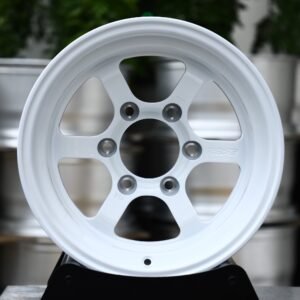 Jeep Wrangler / Land Rover Defender Off-Road Forged Wheels – White 5-Spoke (5-Lug)
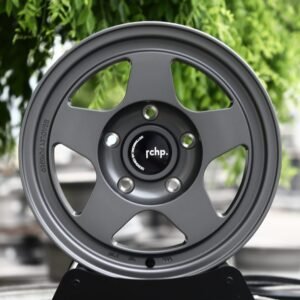 RCHP-Style Matte Gunmetal 5-Spoke Dish Off-Road Forged Wheels – Jeep Wrangler / Defender Fitment (5-Lug)
In our database, 8 other Land Rover entries use exactly the same 5x165.1 bolt pattern and 114.3 mm center bore. Factory wheels from these cars bolt on and center on the hub without rings; offset and width still have to be checked.
5x165.1 is used by 0.1% of the vehicle pages in our English fitment guide (9 of 6,503); 100.0% of those also use a 114.3 mm center bore.
| Year | Bolt pattern | Center bore | Factory wheel |
|---|---|---|---|
| 1970 | 5x165.1 | 114.3 mm | 16x6J |
| 2001 | 5x120 | 70.1 mm | 16x8J |
| 2011 | 5x120 | 72.6 mm | 19x8J |
| 2013 | 5x120 | 72.6 mm | 20x8.5J |
Check the model year before ordering: the specs change — bolt pattern 5x165.1 → 5x120 from 2001; center bore 114.3 mm → 70.1 mm from 2001; center bore 70.1 mm → 72.6 mm from 2011.
A wheel with a center bore larger than 114.3 mm needs a hub-centric ring. The most common combinations:
| Wheel bore | Ring size |
|---|---|
| 130.1 mm | 130.1 → 114.3 mm |
ANKUSI forged wheels are bored to exactly 114.3 mm for this vehicle, so no ring is needed.
Data checked against: avtoreference.com.
This record is part of the open ANKUSI Wheel Fitment Dataset (DOI 10.5281/zenodo.23241521, CC BY 4.0).
Other cars on the same factory size: 16x6 wheels · 16 inch wheels.
Compiled by the ANKUSI Wheels engineering team, an IATF 16949 and ISO 9001 certified forged wheel factory in Guangzhou.
Every design below is forged to order, so it can be machined to the Land Rover Range Rover's 5x165.1 bolt pattern and 114.3 mm center bore, with the width and offset calculated for your setup.
Land Rover Range Rover / Defender Fitment · 5-Lug
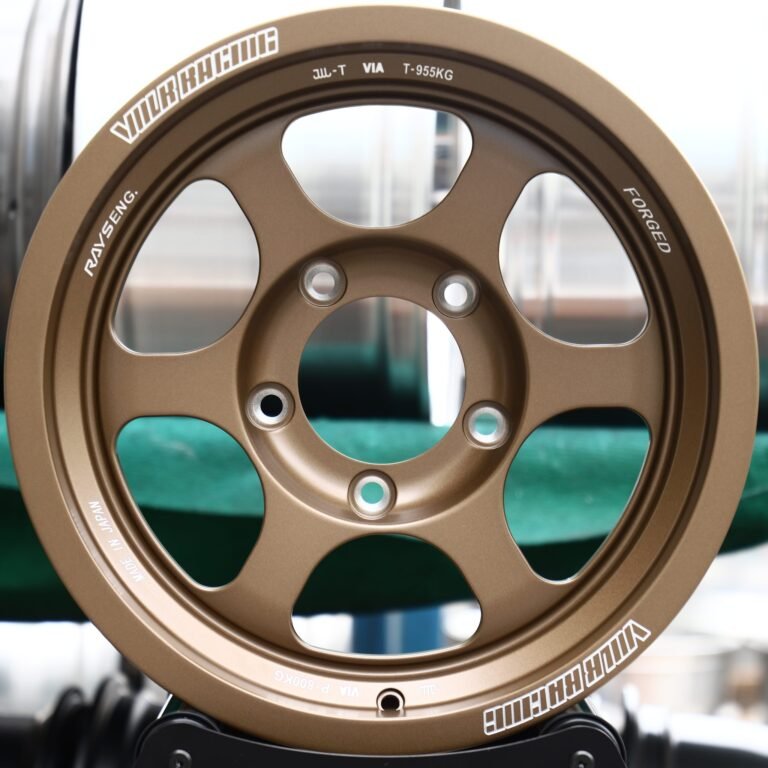
Bronze 5-Spoke · 5-Lug
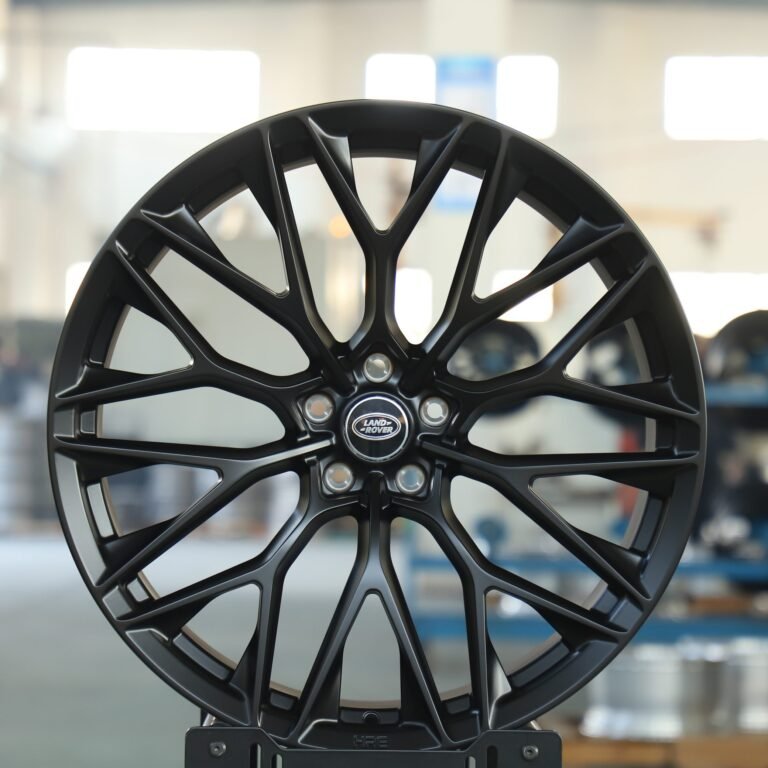
Land Rover Range Rover / Defender Fitment · 5-Lug
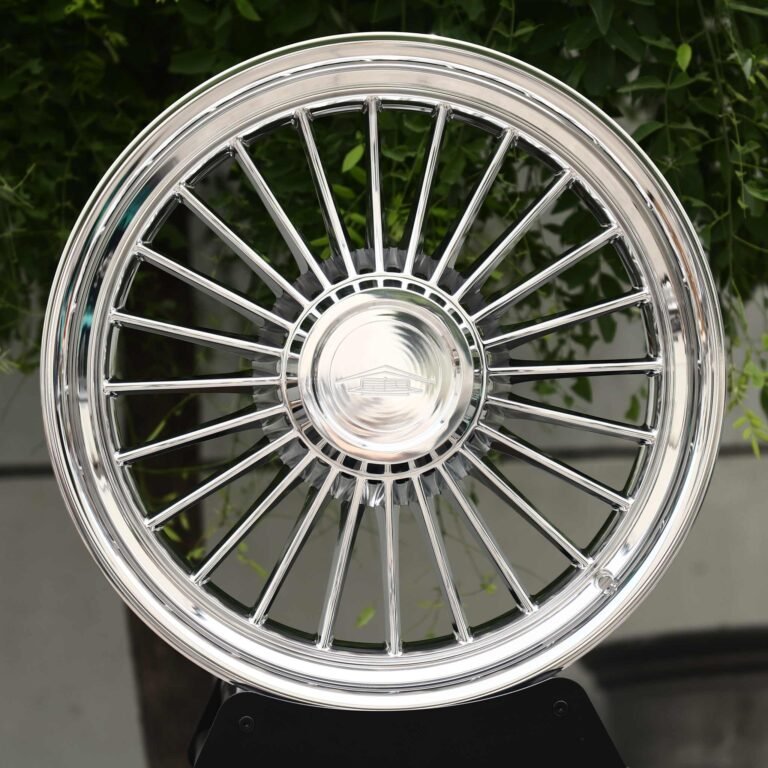
Mirror Polished Fine Multi-Spoke Deep Lip · 5-Lug
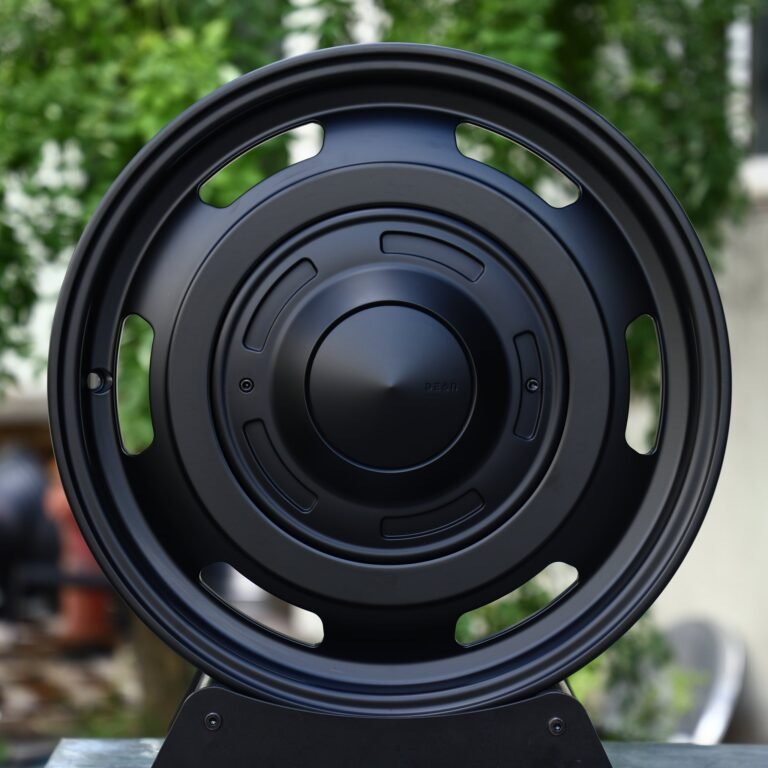
Matte Black Steel-Style Slotted · 5-Lug
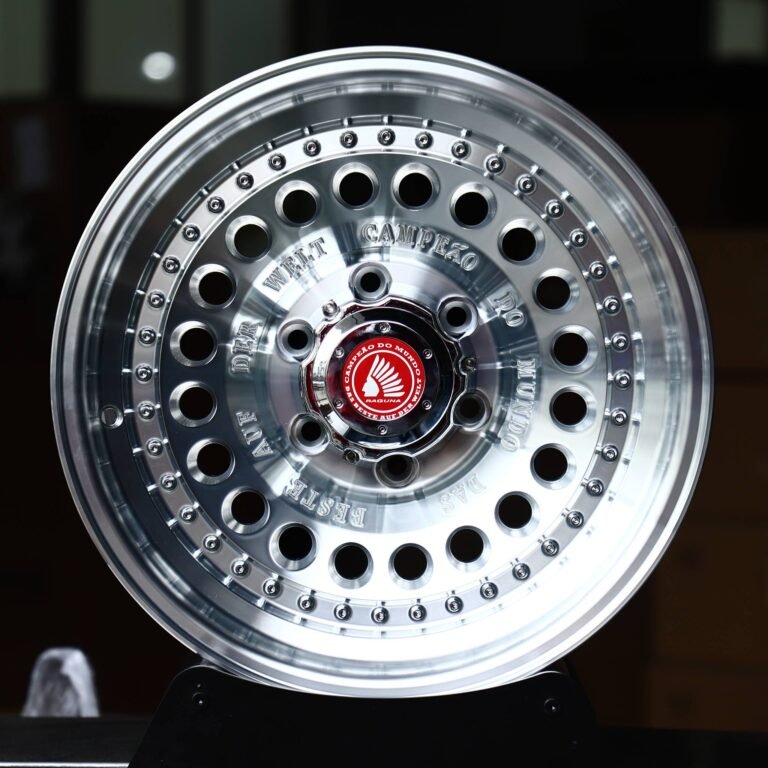
Jeep Wrangler / Defender Fitment · 5-Lug
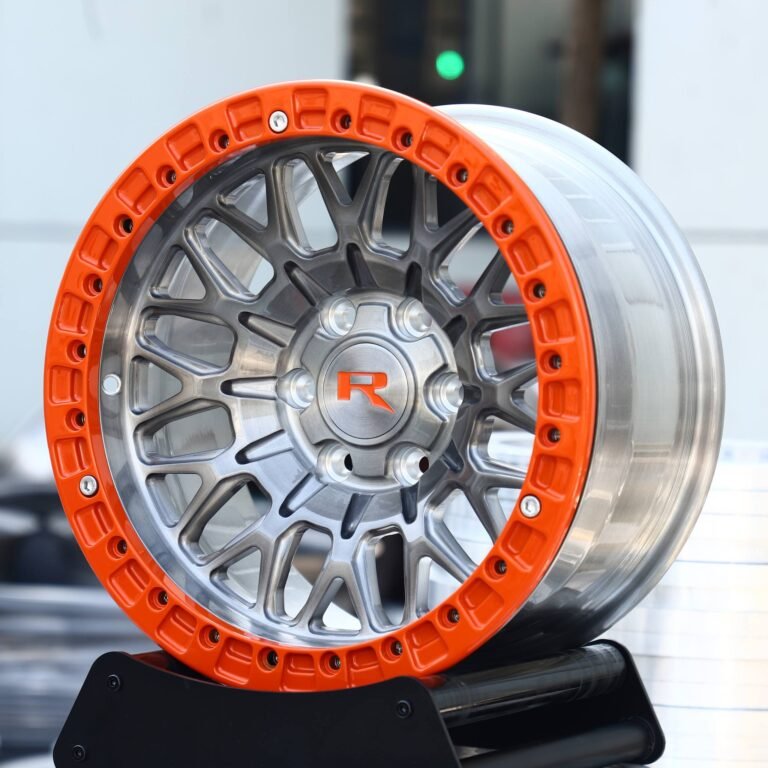
Transparent Orange / Brushed Mesh · 5-Lug
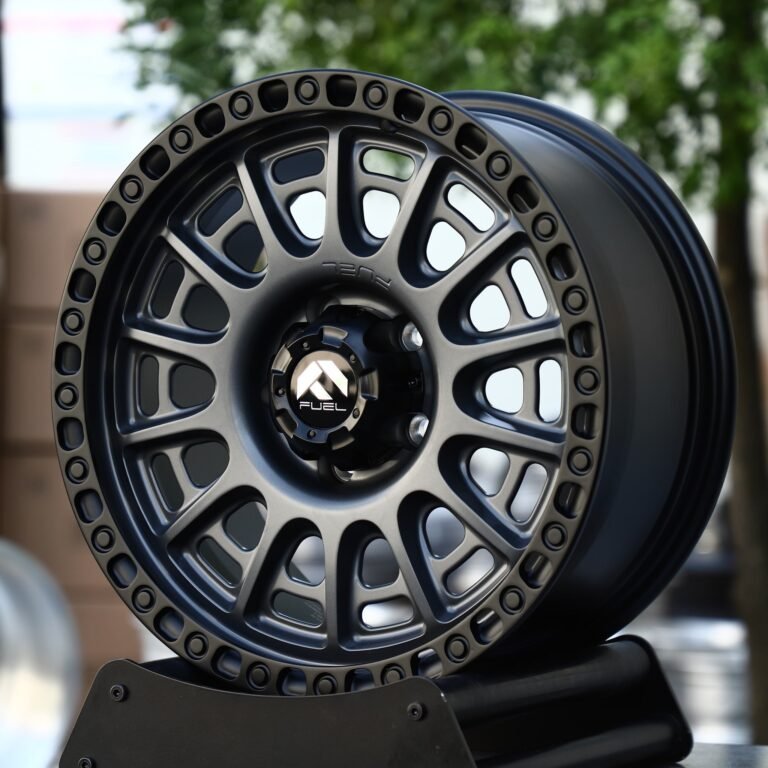
Jeep Wrangler / Land Rover Defender Fitment · 5-Lug
Bolt pattern and center bore on this page were cross-checked against at least two independent sources before publication. Last reviewed 2026-09-18. Spotted an error? Email info@ankusi.com and we will verify and correct it.