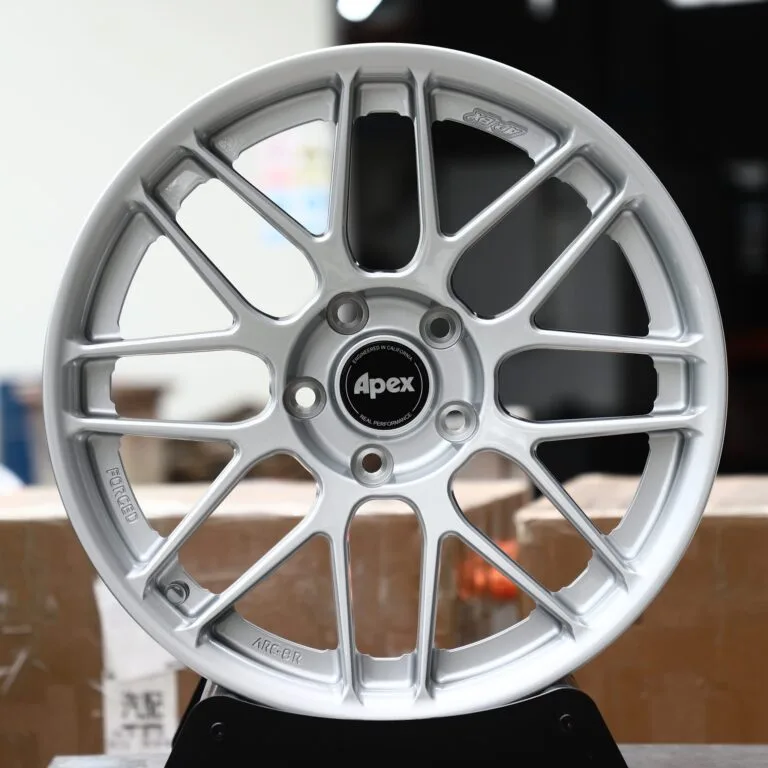
APEX-Style Bright Silver 8 Twin-Spoke Mesh Forged Wheels
Monoblock · Bright Silver

Fitting BMW 320is E30 wheels? This page gives the 1988 BMW 320is E30 bolt pattern (4x100), centre bore, factory rim size and the offset range for aftermarket and forged BMW 320is E30 rims: the same spec sheet ANKUSI uses when machining forged wheels for this car.
Quick answer: The 1988 BMW 320is E30 uses a 4x100 bolt pattern with a 57.1 mm centre bore and M12x1.5 lug bolts. Factory wheels: 14x6.0J, front and rear. For aftermarket wheels, 16x8.0J ET20 sits flush and 16x9.0J ET15 is the most aggressive fit.
Forged wheels for the 1988 BMW 320is E30 — drilled 4x100 with a 57.1 mm centre bore, built to the offset you choose. From $220 per wheel, made to order in 20–25 days.
BMW 320is E30 (1988): 4x100 bolt pattern, 57.1mm center bore. Factory wheels: 14x6.0J F/R. Reference fitment ranges.
✓ Data check: the bolt pattern and center bore on this page match an independent fitment reference. Last reviewed September 18, 2026. How we verify
| Configuration | Wheel Size & Offset |
|---|---|
| Factory (OE) | 14x6.0J F/R |
| Flush Fitment | 16x8.0J at ET20 offset |
| Maximum Aggressive | 16x9.0J at ET15 offset |
Every design below is forged to order, so it can be machined to the BMW 320is E30's 4x100 bolt pattern and 57.1 mm center bore, with the width and offset calculated for your setup.
Monoblock · Bright Silver
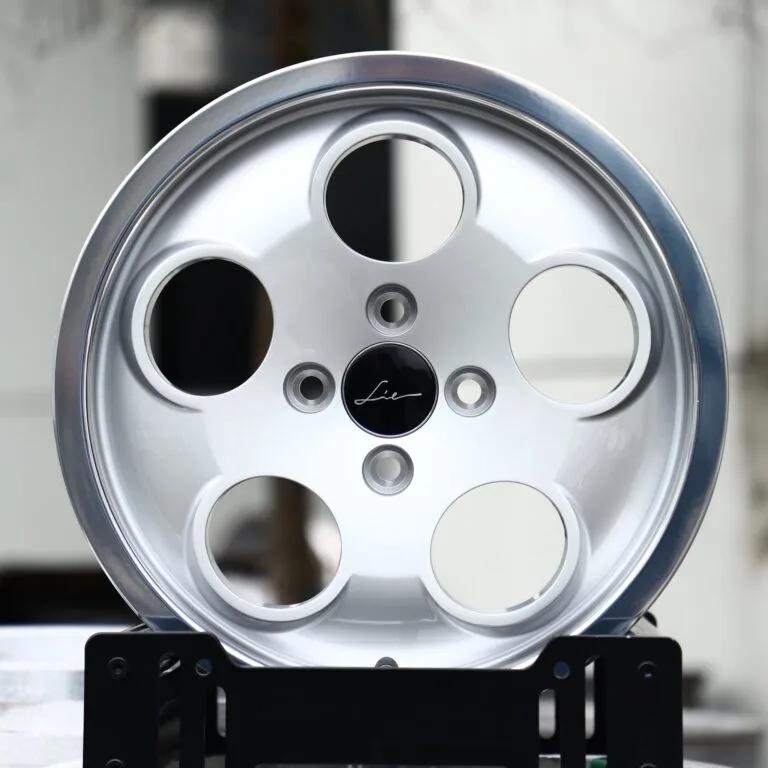
Monoblock · Silver
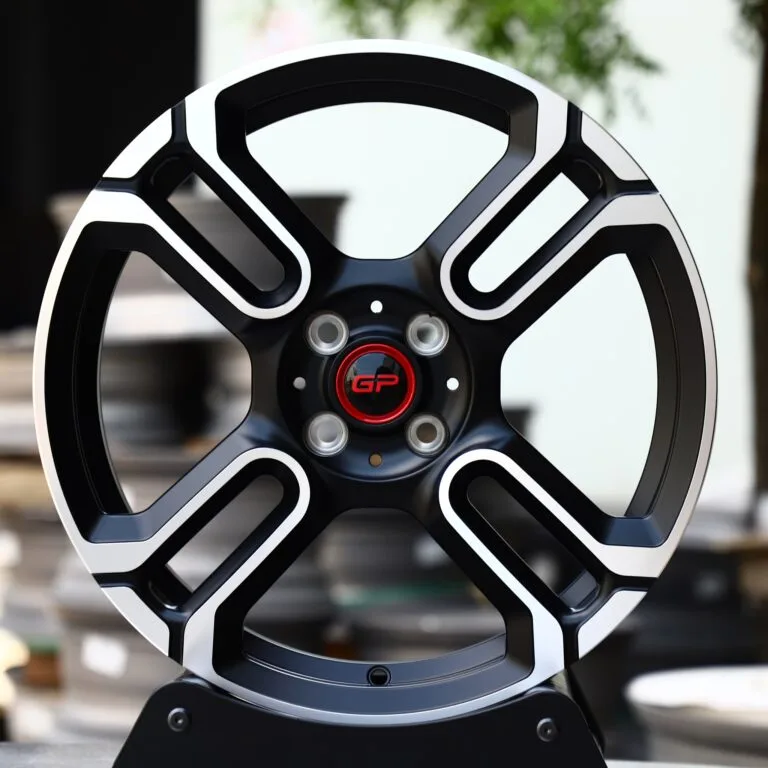
Monoblock · Black Machined
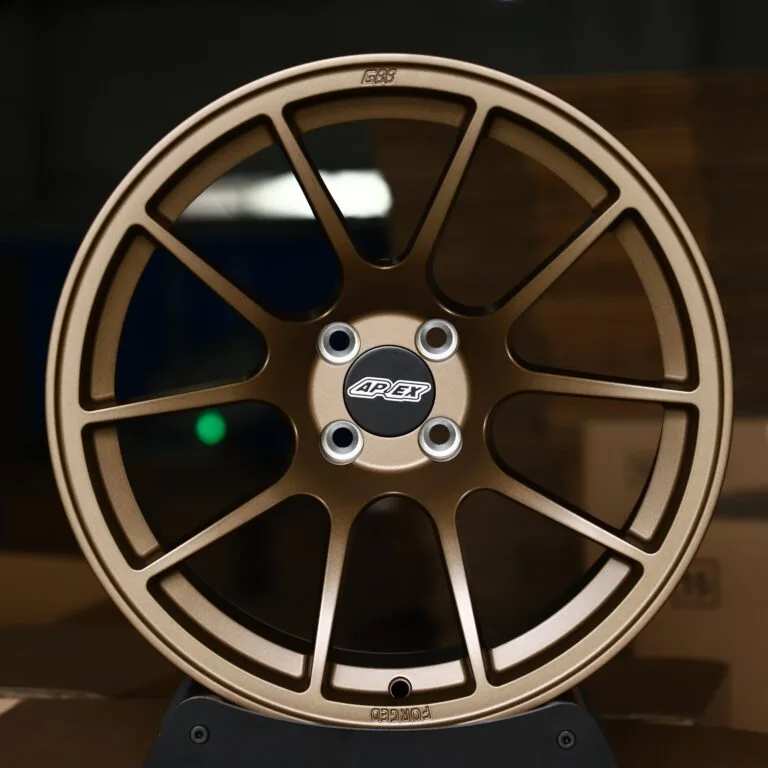
Monoblock · Matte Bronze
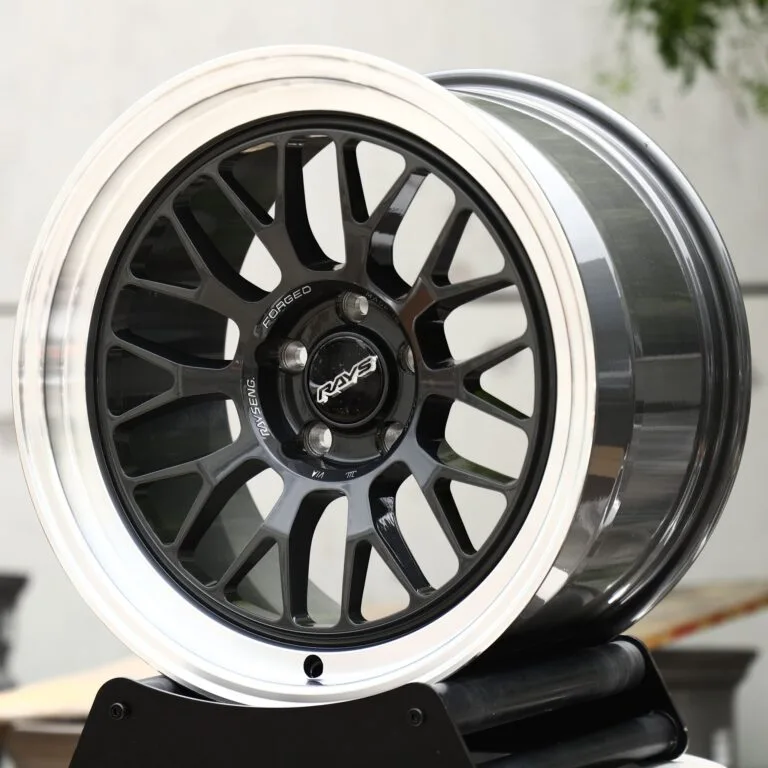
Deep Dish · Gunmetal
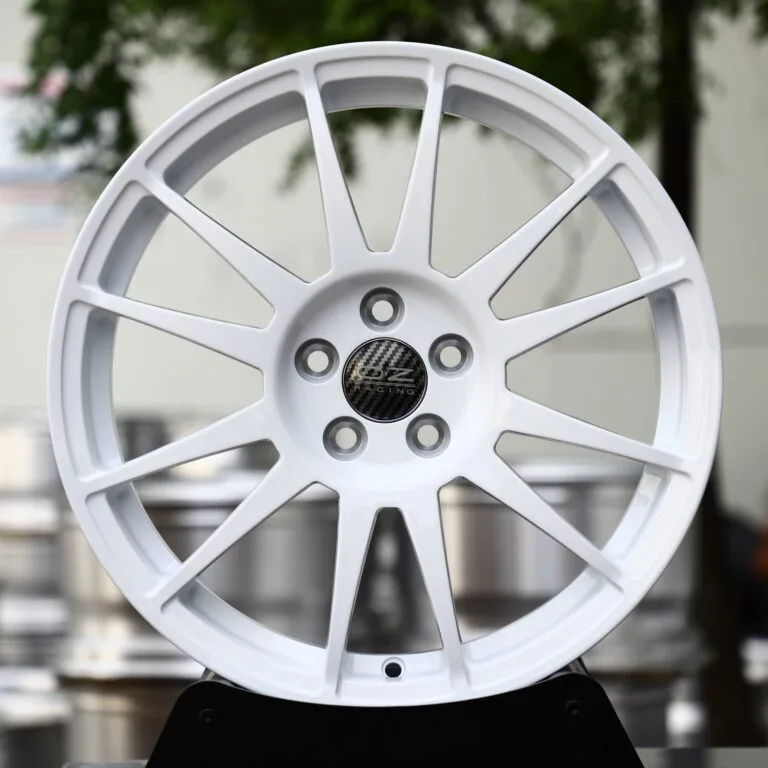
Monoblock · Gloss White
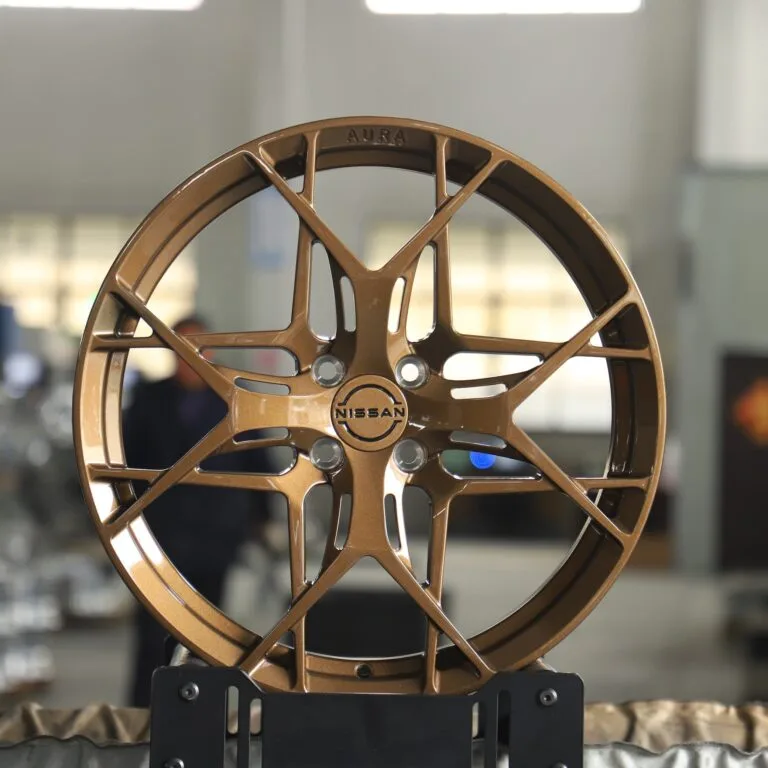
Monoblock · Bronze Gold
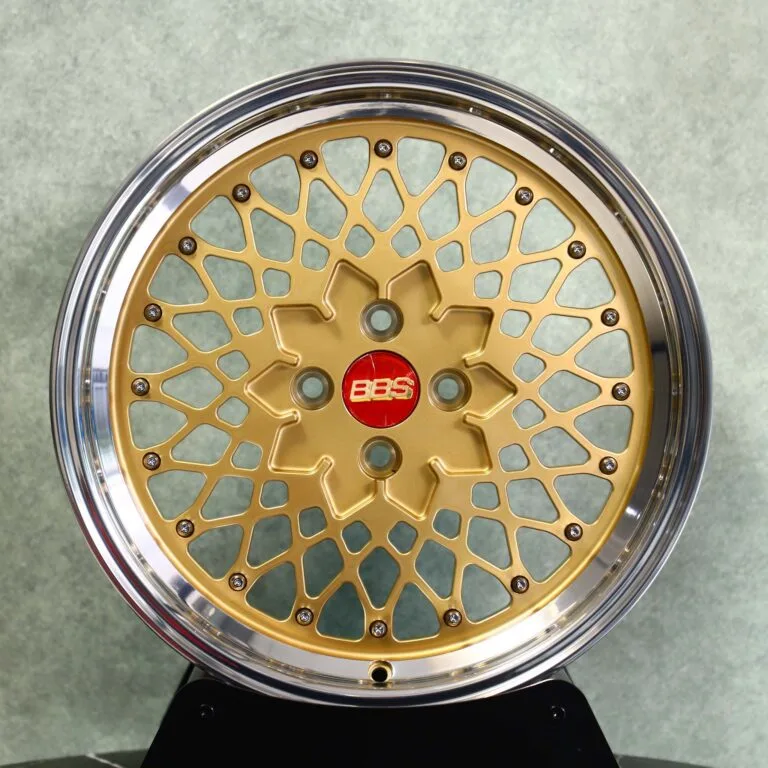
2-Piece · Gold
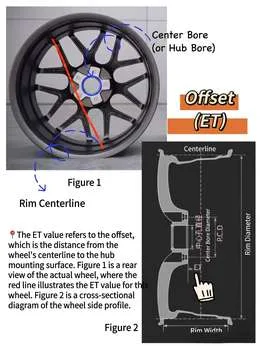
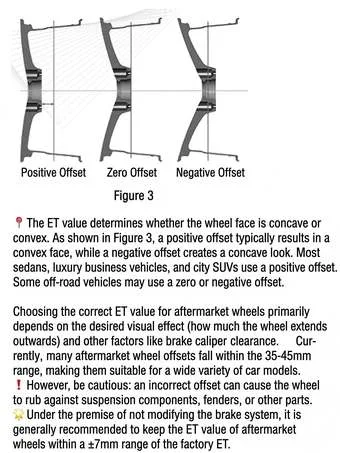
Use these two references before ordering: the left diagram shows where each spec (PCD, center bore, offset, width and diameter) is measured on the wheel; the right diagram shows how positive, zero and negative offset shift the wheel face relative to the hub centerline.
On a performance-oriented coupe, the wheel is one of the few components where shaving weight has a compounding effect — less rotational mass means less work for the brakes, the drivetrain, and the chassis on every input. A forged wheel gets there without compromising the strength margin the factory engineered in.
The BMW 320is E30 runs a 4x100 bolt pattern, 57.1mm center bore, and a 14x6.0J, front and rear, wheel from the factory. Our Flush Fitment reference is 16x8.0J ET20, which tucks the tire under the fender lip on a stock-height BMW 320is E30. Our Maximum Aggressive reference is 16x9.0J ET15 — beyond that offset, expect rubbing against the inner fender liner under compression without further trimming.
The 1988 BMW 320is E30 (Sedan/Cpe) uses a 4x100 bolt pattern with a 57.1mm center bore. Factory wheels are 14x6.0J F/R.
Why the factory spec works for most owners:
ANKUSI builds these wheels — we are the forging factory, not a reseller. For the BMW 320is E30 (1988) we drill the 4x100 pattern and cut the centre bore to 57.1mm on our own CNC line, so the wheel hub-centres on the car with no spacer rings, in whatever diameter, width and offset you specify.
Converting these ET figures to backspacing? Use the wheel offset and backspacing calculator.
The figures on this page are part of our open wheel fitment dataset — 10,093 vehicles, free to download, CC BY 4.0.
Backspacing is calculated as wheel width (in) ÷ 2 + offset (mm) ÷ 25.4 + 0.5 (flange allowance):
Want to check a different width or offset before you order? Use our Offset & Backspacing Calculator to solve the numbers yourself, or looking for your exact BMW spec, or want a wheel built to a custom offset for your BMW 320is E30? Contact ANKUSI with your bolt pattern and offset target and we will confirm the correct forged wheel spec for your build.
In our database, 37 other vehicle entries from 7 makes use exactly the same 4x100 bolt pattern and 57.1 mm center bore. Factory wheels from these cars bolt on and center on the hub without rings; offset and width still have to be checked.
4x100 is used by 6.9% of the vehicle pages in our English fitment guide (451 of 6,503); 8.4% of those also use a 57.1 mm center bore.
A wheel with a center bore larger than 57.1 mm needs a hub-centric ring. The most common combinations:
| Wheel bore | Ring size |
|---|---|
| 60.1 mm | 60.1 → 57.1 mm |
| 63.4 mm | 63.4 → 57.1 mm |
| 64.1 mm | 64.1 → 57.1 mm |
| 65.1 mm | 65.1 → 57.1 mm |
| 73.1 mm | 73.1 → 57.1 mm |
ANKUSI forged wheels are bored to exactly 57.1 mm for this vehicle, so no ring is needed.
Thread & Fastener: M14x1.25, 60-degree conical-seat lug bolt.
Factory Torque Spec: 140 Nm (103 ft-lb). Consistent across modern BMW passenger and X-series models using factory conical-seat bolts.
TPMS: Vehicles built before the 2008 model year were not federally required to carry factory TPMS in the US, though many manufacturers adopted it earlier; verify whether your specific build has TPMS before ordering sensor-compatible wheels.
Tire Pressure: Always set tire pressure to the value on your vehicle's tire placard (driver's doorjamb or glovebox), not the max PSI printed on the tire sidewall — this is trim- and tire-size-specific and stays the same reference point when you switch to a different wheel and tire combination.
Reference data compiled from published OEM service specifications and cross-checked against independent repair sources; always confirm against your owner's manual or door-jamb placard before installation.
Data checked against: avtoreference.com.
This record is part of the open ANKUSI Wheel Fitment Dataset (DOI 10.5281/zenodo.23241521, CC BY 4.0).
Other cars on the same factory size: 14x6 wheels · 14 inch wheels.
Compiled by the ANKUSI Wheels engineering team, an IATF 16949 and ISO 9001 certified forged wheel factory in Guangzhou.