
17 Inch Forged Wheels: Fitment, Sizing & Forged Options
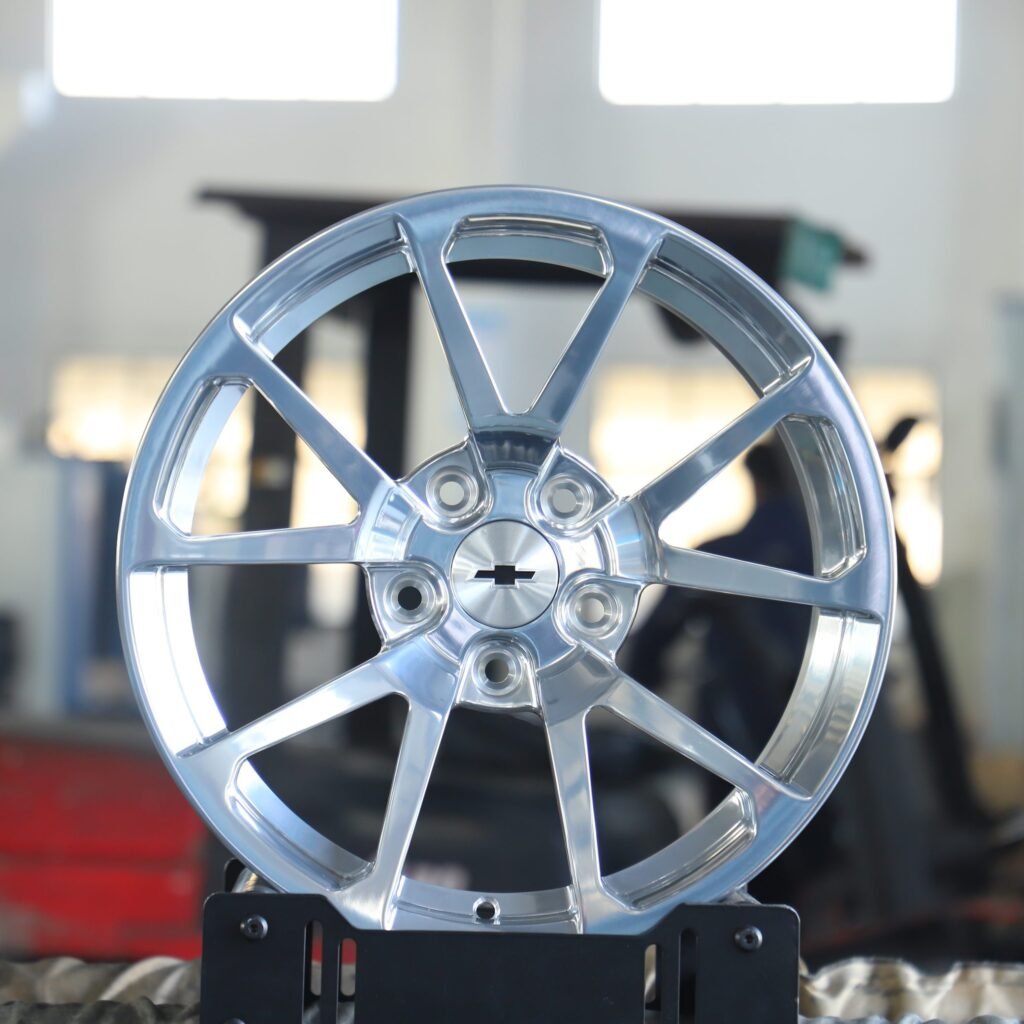
Quick answer: 17-inch forged wheels give more tire sidewall, the widest choice of 200-treadwear and R-compound tires, and clearance for most factory big brakes. That is why track, rally and autocross cars still run them.
There is a reason serious track and rally drivers keep going back to 17 inch forged wheels long after the street crowd has moved to 19s and 20s. At 17 inches you get more tire sidewall, lower rotating mass, wider grippy tire choices and enough room to clear most performance brakes, all at once. The catch is that a cheap 17 inch rim throws most of that advantage away. This is where how the wheel is built matters more than the number stamped on it.
Why 17 is still the enthusiast's smart size
Diameter is not just a styling number. Every inch you add to the wheel takes away from the tire sidewall, and that sidewall is doing real work. On 17 inch wheels you get a taller, more compliant sidewall that absorbs curbs and mid-corner bumps without deflecting the way an ultra-low-profile 20 does. That compliance is why autocross, tarmac rally and time-attack cars so often sit on 17s: the tire soaks up surface imperfections and keeps the contact patch loaded through the corner.
The second reason is tire availability. The most competitive 200-treadwear and R-compound track tires are made in 17-inch sizes in huge volume, so you can actually buy the compound you want, when you want it, at a sane price. A 17 inch tire is also cheaper to consume as a track wear item than a wide 19. Add in the fact that most factory big brakes still clear a properly designed 17, and the size keeps earning its place.
Why 17 inch forged wheels beat cast at this size
Here is the part that gets missed. A wheel's biggest performance penalty is weight at the rim, because that mass is both unsprung and rotating; the suspension has to control it and the engine has to spin it up and the brakes have to slow it down. A cast 17 inch rim earns its strength from bulk material, so it puts weight exactly where it hurts. That is the whole case for 17 inch forged wheels over cast: forging lets us get the strength from the metal's structure instead of its thickness.
We start with a solid billet of aircraft-grade 6061-T6 aluminum and compress it under a 10,000-ton press. That pressure aligns the grain flow of the metal to follow the shape of the wheel instead of running straight through it the way a casting's does. The result is a denser, tougher structure, which lets us machine material away from the spokes and barrel while keeping the load path intact. At a small diameter like 17 the payoff is stark: a forged wheel can come in well under a cast one of the same width, and because it is a small wheel to begin with, the total unsprung saving per corner is a meaningful chunk of what the suspension has to manage.
Strength is the other half. A curb strike or a hard track kerb that would crack a cast wheel is far more likely to leave a forged one intact, because forged aluminum bends before it fractures. For a wheel that is going to see real abuse, that failure mode is exactly the one you want. Our track-focused designs live in our racing wheel range, cut for load rating rather than for the catalog.
Getting the fitment right on 17 inch wheels
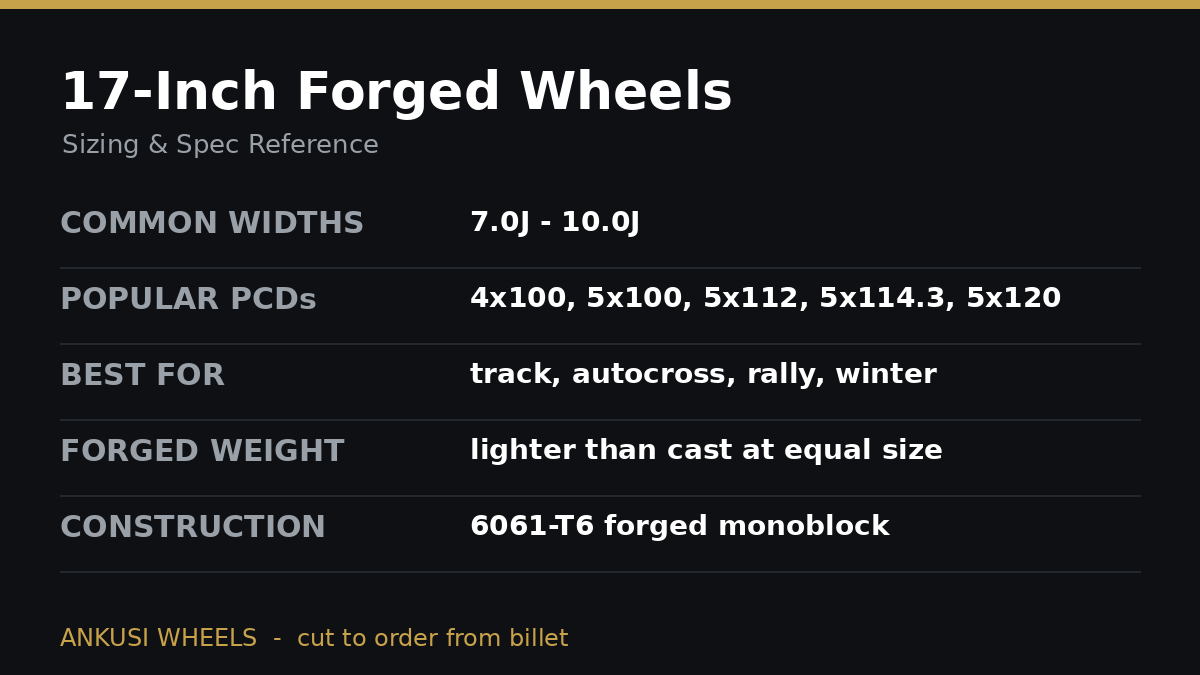
Once the size is decided, the fitment details do the rest. Common performance widths at 17 inches run from about 7.0J up to 10.0J; a narrow 7 or 7.5 is a classic winter-and-spare width, while 8.5 to 10 is where the track and autocross setups live. Bolt patterns you will meet most often at this size are 4x100 on older Japanese and European hatchbacks, and 5x100, 5x112, 5x114.3 and 5x120 across newer performance cars. If you are shopping 17 inch BMW rims, for example, you are almost always in 5x112 or 5x120 territory depending on the chassis.
The two numbers that decide whether a wheel clears are offset and barrel shape, and they have to be set against your specific brakes and suspension. This is the real argument for building rather than buying off a shelf. Instead of hunting for a stock offset that is close enough, we machine the exact width and ET your car needs, and we can profile the inner barrel to clear a big brake caliper that a generic wheel would foul. If you want a specific lip depth or a repairable barrel for heavy track use, a two-piece forged setup gives you that flexibility; for most street-and-track cars a forged monoblock is the lighter, simpler answer.
17 inch rims for trucks and 4x4s
The size logic flips but still holds off-road. On a truck or an overlander, 17 inch rims 4x4 owners choose the size precisely because it leaves room for a tall all-terrain or mud tire with a real sidewall, which you need for airing down and for absorbing rock and trail impacts. Here the priority is not low weight so much as impact strength and correct load rating, and a forged off-road wheel delivers both without the porosity risk that can plague cast truck rims. Those builds sit in our off-road forged range, where load rating and bead retention matter more than a fashionable face.
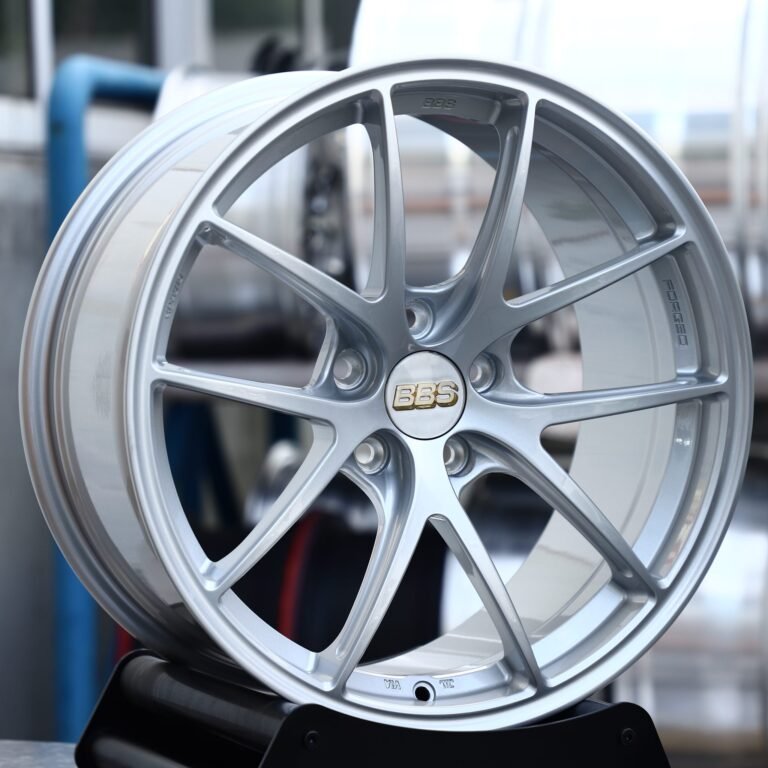
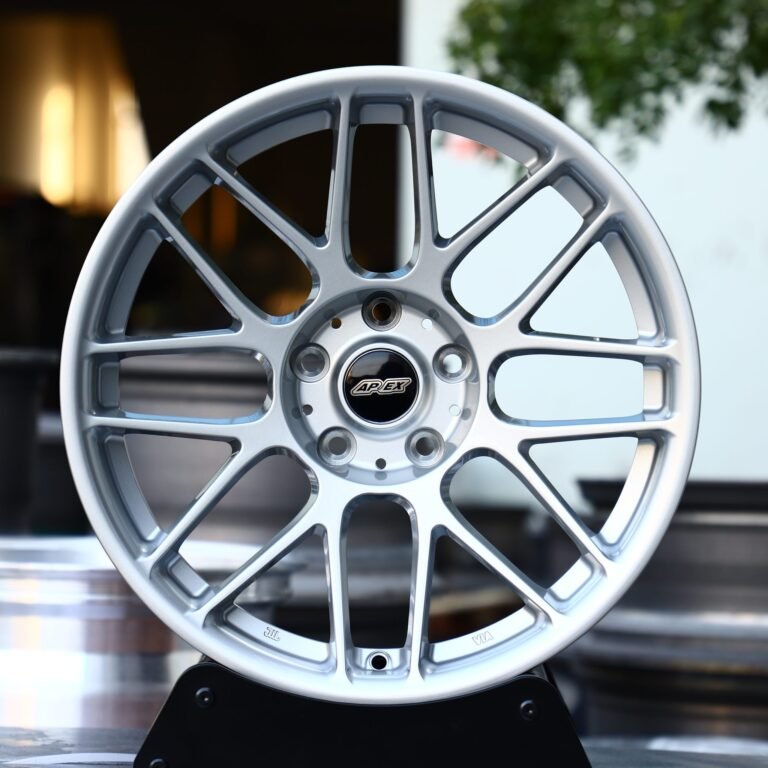
Thin-spoke designs suit 17-inch wheels well because they leave room for brake calipers. Examples include a bright silver 5 split Y-spoke forged wheel, a silver 8 Y-spoke mesh forged wheel and a bright silver 5 Y-spoke forged wheel. All three can be built in 17-inch sizes with the offset your car needs.
Choosing your set
The short version: 17 stays the smart diameter for anyone who actually uses their car hard, but the size only pays off if the wheel is light and strong, and that comes down to construction, not the label. Because we forge in-house from raw billet, we can build your 17 inch forged wheels to the exact width, offset and load rating your car and tires call for, in the finish you want, instead of the nearest shelf option. Tell us your car, brakes and tire plans and we will confirm the fitment and send you a factory-direct quote.
Related forged wheels
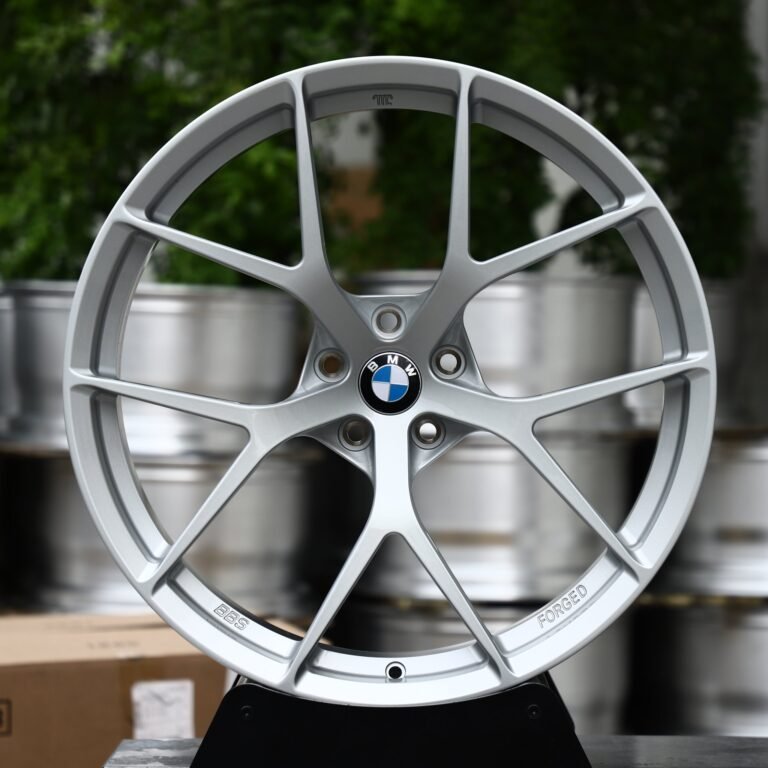
See more designs in our one-piece forged wheels range.
Frequently Asked Questions
Are 17 inch forged wheels good for track use?
Yes, 17 is one of the most popular track diameters. It gives you more tire sidewall compliance, wide availability of 200-treadwear and R-compound tires, and enough clearance for most performance brakes, while forging keeps the wheel light and impact-resistant.
How light are 17 inch forged wheels compared to cast?
A forged 17 can come in well under a cast wheel of the same width because forging gets its strength from aligned grain structure rather than bulk material. At a small diameter that weight saving is a meaningful share of the unsprung and rotating mass per corner.
What widths and bolt patterns do 17 inch wheels come in?
Common performance widths run from about 7.0J to 10.0J. Bolt patterns you meet most at 17 inches are 4x100, 5x100, 5x112, 5x114.3 and 5x120. The right width and offset depend on your brakes and suspension, which is why we cut them to spec.
Do 17 inch rims work for 4x4 and off-road builds?
Yes. On trucks and overlanders, 17 inch rims 4x4 owners pick the size to fit a tall all-terrain or mud tire with a real sidewall for airing down. There the priority is impact strength and load rating, both of which a forged off-road wheel handles well.
Need answers from the manufacturing side instead of just sales copy?
Contact ANKUSI through WhatsApp or WeChat for discussions on forged wheel customization, fitment, finishes, and project feasibility.