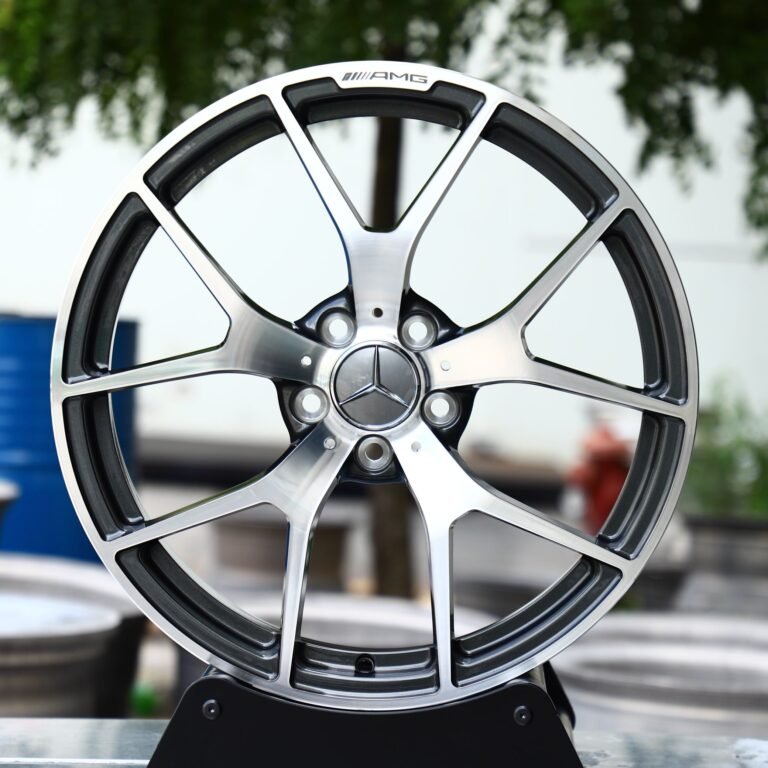
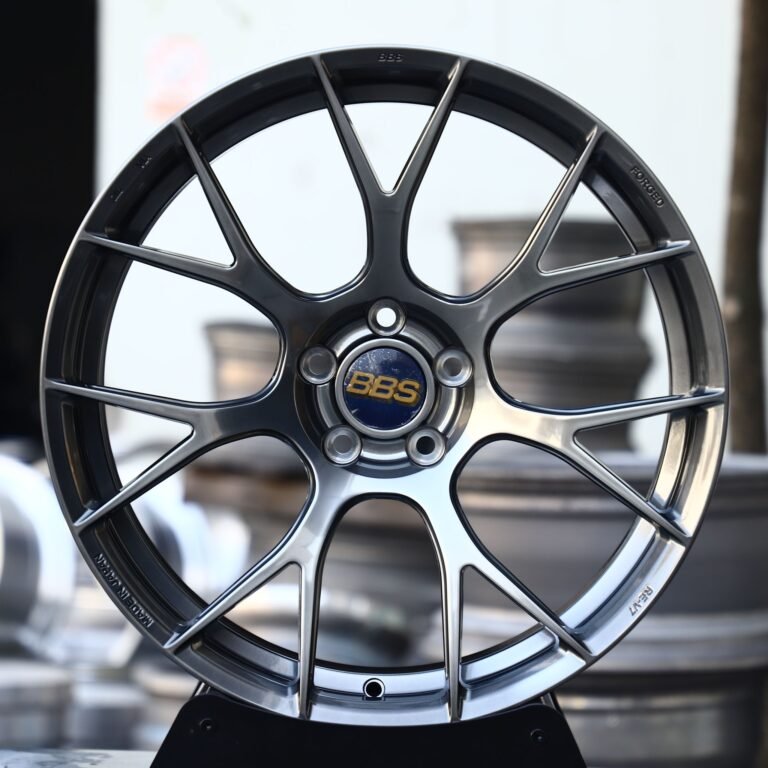
Gunmetal / Gray 5 Y-Spoke Machined Face Forged Wheels
Monoblock · Gunmetal / Gray

Fitting Mercedes-Benz E-Class Coupe wheels? This page gives the 1988 Mercedes-Benz E-Class Coupe bolt pattern (5x112), centre bore, factory rim size and the offset range for aftermarket and forged Mercedes-Benz E-Class Coupe rims: the same spec sheet ANKUSI uses when machining forged wheels for this car.
Mercedes-Benz E-Class Coupe (1988): 5x112 bolt pattern, 66.6mm center bore. Factory wheels: 15x6.5J F/R. Reference fitment ranges.
✓ Data check: the bolt pattern and center bore on this page match an independent fitment reference. Last reviewed September 18, 2026. How we verify
| Configuration | Wheel Size & Offset |
|---|---|
| Factory (OE) | 15x6.5J F/R |
| Flush Fitment | 16x7.5J at ET30 offset |
| Maximum Aggressive | 17x8.0J at ET25 offset |
Every design below is forged to order, so it can be machined to the Mercedes-Benz E-Class Coupe's 5x112 bolt pattern and 66.6 mm center bore, with the width and offset calculated for your setup.
Monoblock · Gunmetal / Gray

Deep Dish · Mirror Polished
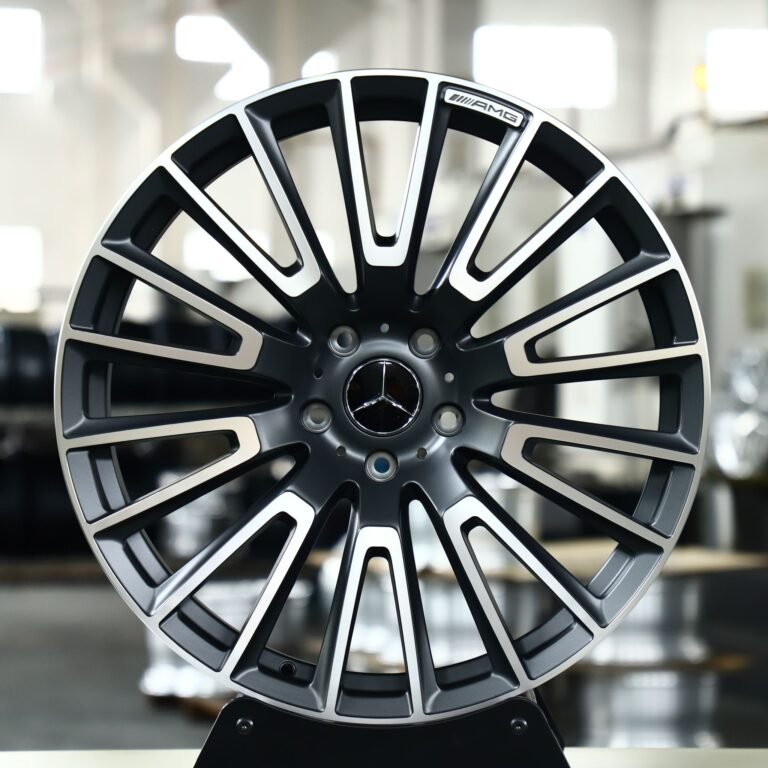
Monoblock · Custom Finish
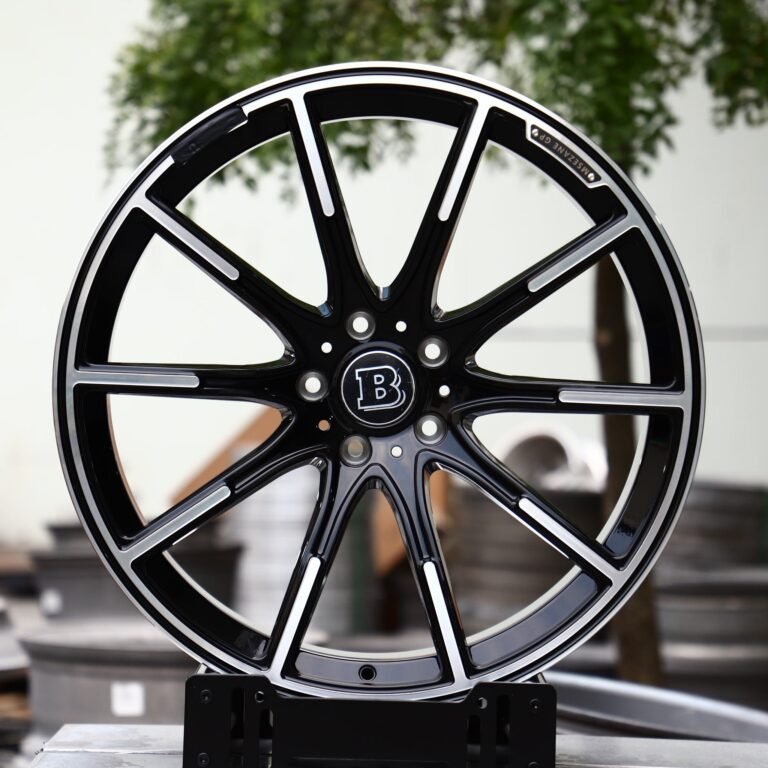
Replica · Black Machined
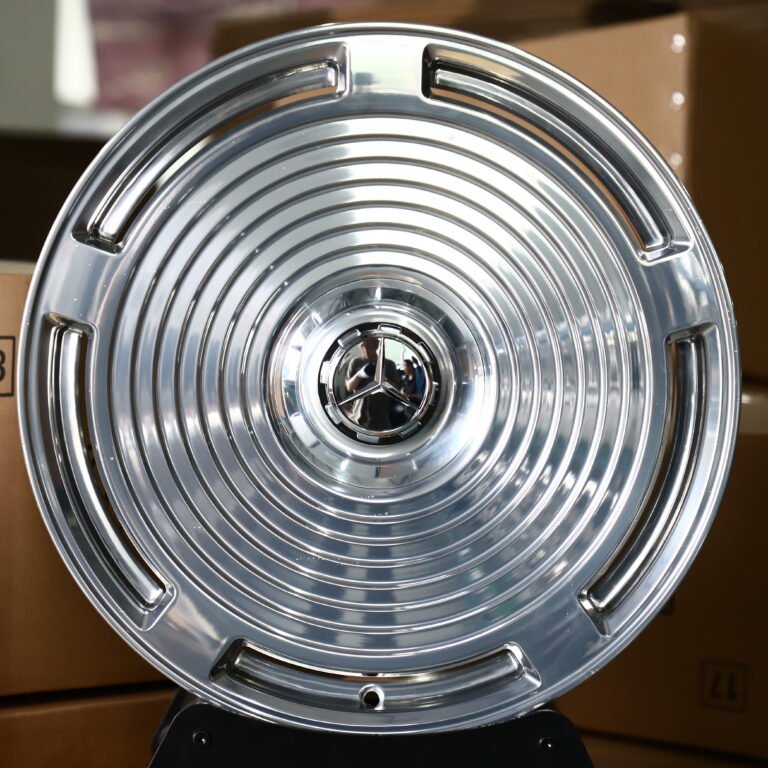
Monoblock · Polished
Monoblock · Gloss Black / Machined
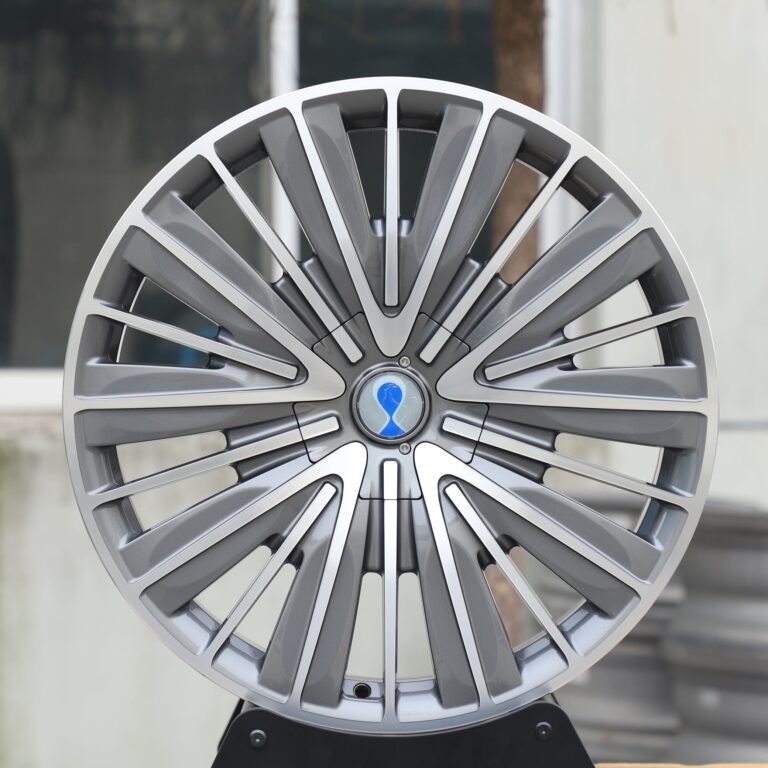
Monoblock · Silver / Machined
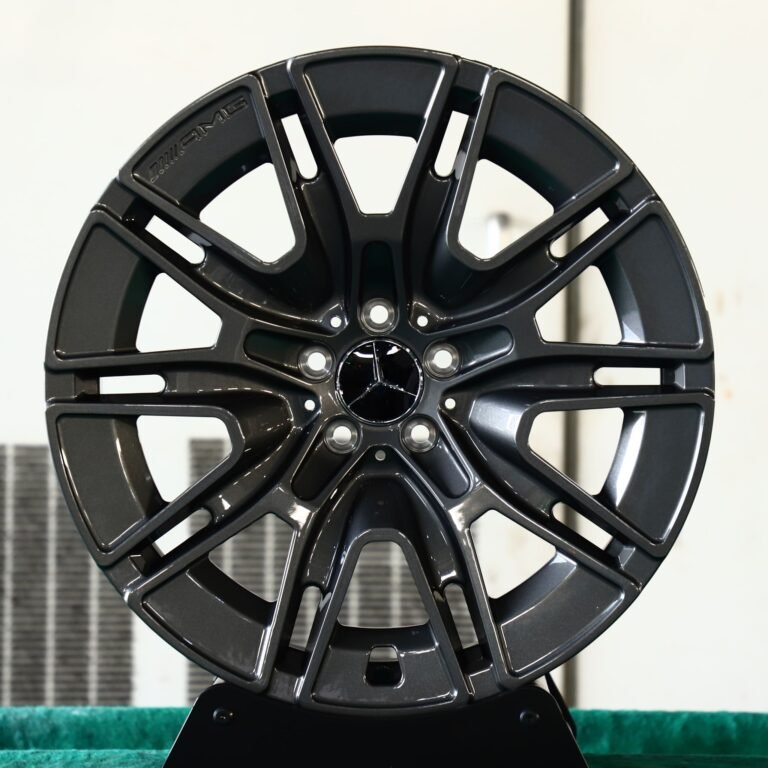
Monoblock · Gloss Black
See all Mercedes-Benz E-Class wheel designs Mercedes-Benz OEM-Style Forged Wheels
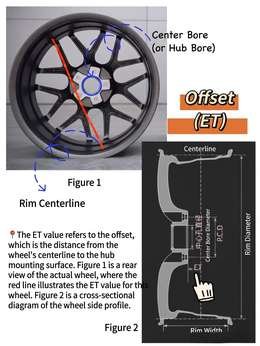
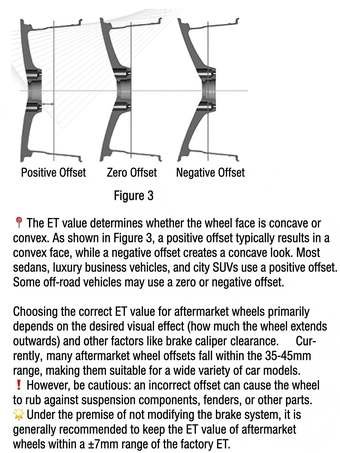
Use these two references before ordering: the left diagram shows where each spec (PCD, center bore, offset, width and diameter) is measured on the wheel; the right diagram shows how positive, zero and negative offset shift the wheel face relative to the hub centerline.
The Mercedes-Benz E-Class Coupe's chassis tuning assumes a certain amount of rotational mass at each corner. Forging lets ANKUSI cut that mass while matching the factory strength rating, which sharpens turn-in and reduces the energy the brakes have to absorb — a real gain on a coupe platform, not just a styling change.
The Mercedes-Benz E-Class Coupe runs a 5x112 bolt pattern, 66.6mm center bore, and a 15x6.5J, front and rear, wheel from the factory. Our Flush Fitment reference is 16x7.5J ET30, which tucks the tire under the fender lip on a stock-height Mercedes-Benz E-Class Coupe. Our Maximum Aggressive reference is 17x8.0J ET25 — beyond that offset, expect rubbing against the inner fender liner under compression without further trimming.
The 1988 Mercedes-Benz E-Class Coupe (Luxury Coupe) uses a 5x112 bolt pattern with a 66.6mm center bore. Factory wheels are 15x6.5J F/R.
Why the factory spec works for most owners:
ANKUSI builds these wheels — we are the forging factory, not a reseller. For the Mercedes-Benz E-Class Coupe (1988) we drill the 5x112 pattern and cut the centre bore to 66.6mm on our own CNC line, so the wheel hub-centres on the car with no spacer rings, in whatever diameter, width and offset you specify.
Converting these ET figures to backspacing? Use the wheel offset and backspacing calculator.
The figures on this page are part of our open wheel fitment dataset — 10,093 vehicles, free to download, CC BY 4.0.
Backspacing is calculated as wheel width (in) ÷ 2 + offset (mm) ÷ 25.4 + 0.5 (flange allowance):
Want to check a different width or offset before you order? Use our Offset & Backspacing Calculator to solve the numbers yourself, or looking for your exact Mercedes-Benz spec, or want a wheel built to a custom offset for your Mercedes-Benz E-Class Coupe? Contact ANKUSI with your bolt pattern and offset target and we will confirm the correct forged wheel spec for your build.
Thread & Fastener: M14x1.5, ball-seat lug bolt.
Factory Torque Spec: 130 Nm (96 ft-lb). Sedan/coupe platforms (E-Class, CLS, SL and similar) generally use the shorter 27mm bolt at this spec.
TPMS: Vehicles built before the 2008 model year were not federally required to carry factory TPMS in the US, though many manufacturers adopted it earlier; verify whether your specific build has TPMS before ordering sensor-compatible wheels.
Tire Pressure: Always set tire pressure to the value on your vehicle's tire placard (driver's doorjamb or glovebox), not the max PSI printed on the tire sidewall — this is trim- and tire-size-specific and stays the same reference point when you switch to a different wheel and tire combination.
Reference data compiled from published OEM service specifications and cross-checked against independent repair sources; always confirm against your owner's manual or door-jamb placard before installation.