
Audi Cabriolet (1992) Bolt Pattern & Wheel Fitment
Audi Cabriolet (1992): 4x10⁸ bolt pattern, 57.1mm center bore. Factory wheels: 15x7.0J F/R. Reference fitment ranges.
✓ Verified by ANKUSI's Engineering Team — IATF 16949 & ISO 9001 certified forged wheel manufacturer, TÜV/SFI/VIA compliant. See our factory & certifications →
Wheel Size & Offset at a Glance
| Configuration | Wheel Size & Offset |
|---|---|
| Factory (OE) | 15x7.0J F/R |
| Flush Fitment | 16x7.5J at ET25 offset |
| Maximum Aggressive | 17x8.0J at ET20 offset |
How to Read Wheel Offset & Measurements
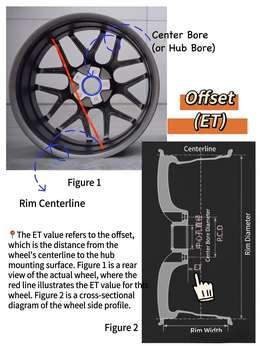
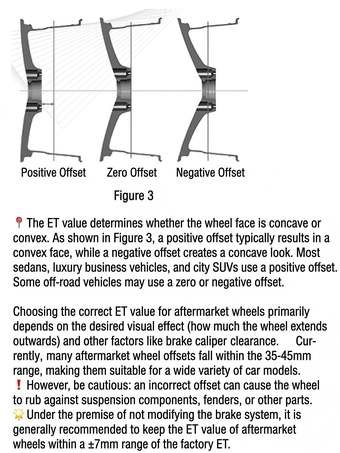
Use these two references before ordering: the left diagram shows where each spec (PCD, center bore, offset, width and diameter) is measured on the wheel; the right diagram shows how positive, zero and negative offset shift the wheel face relative to the hub centerline.
ANKUSI Engineering Expert Advice
With less structural stiffness from the missing roof, a convertible's suspension tuning leans more heavily on unsprung mass control. Forged construction keeps wheel weight down at the same strength rating, which is one less variable working against the Audi Cabriolet's chassis.
The Audi Cabriolet runs a 4x10⁸ bolt pattern, 57.1mm center bore, and a 15x7.0J, front and rear, wheel from the factory. Our Flush Fitment reference is 16x7.5J ET25, which tucks the tire under the fender lip on a stock-height Audi Cabriolet. Our Maximum Aggressive reference is 17x8.0J ET20 — beyond that offset, expect rubbing against the inner fender liner under compression without further trimming.
Audi Cabriolet OE Wheel Specs
The 1992 Audi Cabriolet (Convertible) uses a 4x10⁸ bolt pattern with a 57.1mm center bore. Factory wheels are 15x7.0J F/R.
Why the factory spec works for most owners:
- Matches the chassis tuning used to help offset reduced structural rigidity
- Balances ride comfort with the sportier character typical of this body style
- Keeps unsprung weight low for stable handling
- Maintains clearance for the factory brake package and suspension components
ANKUSI builds these wheels — we are the forging factory, not a reseller. For the Audi Cabriolet (1992) we drill the 4x10⁸ pattern and cut the centre bore to 57.1mm on our own CNC line, so the wheel hub-centres on the car with no spacer rings, in whatever diameter, width and offset you specify.
Converting these ET figures to backspacing? Use the wheel offset and backspacing calculator.
The figures on this page are part of our open wheel fitment dataset — 6,436 vehicles, free to download, CC BY 4.0.
Flush Fitment
For a flush look with minimal rubbing, F/R 16x7.5J ET25 is the recommended starting point on a stock or mildly lowered Audi Cabriolet.
Maximum Aggressive Fitment
F/R 17x8.0J ET20 is a more aggressive reference setup. Beyond this, expect rubbing under compression without fender rolling or camber correction.
5-Tier Configuration Options
A Factory-Style 15x7.0J ET37
Recommended setup: 15x7.0J ET37 | Economy impact: Negligible | Best for: Daily commuting, family use
Appearance: 7/10 | Comfort: 9.5/10 | Install difficulty: ★☆☆☆☆
Estimated cost: $450-800 (wheels + tires + install)
B Comfortable Upgrade 16x7.5J ET31
Recommended setup: 16x7.5J ET31 | Economy impact: -2 to -4% | Best for: Daily / street
Appearance: 8/10 | Comfort: 9/10 | Install difficulty: ★☆☆☆☆
Estimated cost: $1,950-2,550 (wheels + tires + install)
C Balanced / Flush Fit 16x7.5J ET25
Recommended setup: 16x7.5J ET25 | Economy impact: -4 to -6% | Best for: Street
Appearance: 8.5/10 | Comfort: 8/10 | Install difficulty: ★★☆☆☆
Estimated cost: $2,600-3,400 (wheels + tires + install)
D Aggressive 17x8.0J ET23
Recommended setup: 17x8.0J ET23 | Economy impact: -6 to -9% | Best for: Show / occasional track
Appearance: 9/10 | Comfort: 6.5/10 | Install difficulty: ★★★☆☆
Estimated cost: $3,900-5,000 (wheels + tires + install)
E Max Aggressive 17x8.0J ET20
Recommended setup: 17x8.0J ET20 | Economy impact: -8 to -12% | Best for: Show only
Appearance: 9.5/10 | Comfort: 4/10 | Install difficulty: ★★★★☆
Estimated cost: $4,800-6,200+ (wheels + tires + install)
Performance Comparison Matrix
| Metric | Tier A | Tier B | Tier C | Tier D | Tier E |
|---|---|---|---|---|---|
| Wheel Spec | 15x7.0J ET37 | 16x7.5J ET31 | 16x7.5J ET25 | 17x8.0J ET23 | 17x8.0J ET20 |
| Economy Impact | Negligible | -2 to -4% | -4 to -6% | -6 to -9% | -8 to -12% |
| Appearance | 7/10 | 8/10 | 8.5/10 | 9/10 | 9.5/10 |
| Comfort | 9.5/10 | 9/10 | 8/10 | 6.5/10 | 4/10 |
| Install Difficulty | ★☆☆☆☆ | ★☆☆☆☆ | ★★☆☆☆ | ★★★☆☆ | ★★★★☆ |
| Cost Range | $450-800 | $1,950-2,550 | $2,600-3,400 | $3,900-5,000 | $4,800-6,200+ |
| Best For | Daily commuting, family use | Daily / street | Street | Show / occasional track | Show only |
Real-World Reference Cases
The examples below are compiled from typical ANKUSI customer configurations and are labeled as reference cases, not individually verified real-world builds.
Case 1: Daily Driver (Factory-Style)
Profile: Everyday driving, prioritizes comfort and low running cost.
Setup: 15x7.0J ET37
Cost: ~$620
Outcome: Minimal visual change, ride and fuel economy essentially unaffected.
Case 2: Balanced Enthusiast (Balanced / Flush Fit)
Profile: Wants a sportier stance without sacrificing daily usability.
Setup: 16x7.5J ET25
Cost: ~$3,000
Outcome: Noticeable visual upgrade, fuel economy drop within the expected range.
Case 3: Show Build (Max Aggressive)
Profile: Built primarily for shows or occasional track/show use.
Setup: 17x8.0J ET20
Cost: ~$5,500
Outcome: Maximum visual impact; daily comfort and fuel economy are heavily compromised, physical test fit required before production.
Decision Guide
Offset & Backspacing Reference
Backspacing is calculated as wheel width (in) ÷ 2 + offset (mm) ÷ 25.4 + 0.5 (flange allowance):
- OE: 15x7.0J ET37 → ~5.46″ backspacing
- Flush: 16x7.5J ET25 → ~5.23″ backspacing
- Max: 17x8.0J ET20 → ~5.29″ backspacing
Want to check a different width or offset before you order? Use our Offset & Backspacing Calculator to solve the numbers yourself, or looking for your exact Audi spec, or want a wheel built to a custom offset for your Audi Cabriolet? Contact ANKUSI with your bolt pattern and offset target and we will confirm the correct forged wheel spec for your build.
Custom Forged Wheels for the Audi Cabriolet (1992)
Everything above is reference data. If you want wheels actually built to it, that is what ANKUSI does: we are a forged wheel factory in Guangzhou, China, IATF 16949 and ISO 9001 certified, forging on our own 10,000-ton press and producing over 120,000 wheels a year. Forging blank, CNC machining, finishing, coating and inspection all happen in the same building — nothing is subcontracted and nothing is relabelled from another manufacturer.
Every set is cut to order, so the 4x10⁸ pattern and the 57.1mm centre bore are machined for this car specifically rather than shimmed with adaptor rings. Diameter, width, offset, concavity, monoblock or multi-piece construction and the finish are all yours to choose — most Audi orders on this platform land somewhere between the 16x7.5J ET25 flush setup and the 17x8.0J ET20 aggressive setup referenced above.
We do not hold 4x10⁸ wheels on a shelf — they are forged to order, which is why any offset, width and bore combination on this page is buildable rather than limited to a stock list.
Frequently Asked Questions
What bolt pattern (PCD) does the Audi Cabriolet use?
How many lug bolts does the Audi Cabriolet use?
What is the center bore size on the Audi Cabriolet?
What size are the factory (stock) wheels on the Audi Cabriolet?
What is the biggest wheel size I can fit on my Audi Cabriolet without rubbing?
What does a flush wheel fitment look like on the Audi Cabriolet?
Do I need wheel spacers for my Audi Cabriolet?
How do I calculate wheel backspacing for my Audi Cabriolet?
What's the difference between wheel offset and backspacing?
Can I run staggered wheels (different sizes front and rear) on my Audi Cabriolet?
Wheel Installation Reference: Torque, Thread & TPMS
Thread & Fastener: M14x1.5, ball-seat lug bolt (13mm radius).
Factory Torque Spec: 120 Nm (89 ft-lb). Shared VW/Audi Group ball-seat bolt spec used across most 5x112 Audi models.
TPMS: Vehicles built before the 2008 model year were not federally required to carry factory TPMS in the US, though many manufacturers adopted it earlier; verify whether your specific build has TPMS before ordering sensor-compatible wheels.
Tire Pressure: Always set tire pressure to the value on your vehicle's tire placard (driver's doorjamb or glovebox), not the max PSI printed on the tire sidewall — this is trim- and tire-size-specific and stays the same reference point when you switch to a different wheel and tire combination.
Reference data compiled from published OEM service specifications and cross-checked against independent repair sources; always confirm against your owner's manual or door-jamb placard before installation.