
Isuzu D-Max (2017) Wheel Fitment
Isuzu D-Max (2017): 6x139.7 bolt pattern, 100.1mm center bore, OE 17x7J ET33. Forged wheel fitment specs from ANKUSI.
✓ Verified by ANKUSI's Engineering Team — IATF 16949 & ISO 9001 certified forged wheel manufacturer, TÜV/SFI/VIA compliant. See our factory & certifications →
Wheel Size & Offset at a Glance
| Configuration | Wheel Size & Offset |
|---|---|
| Flush Fitment | 17x8J at ET20 offset |
How to Read Wheel Offset & Measurements
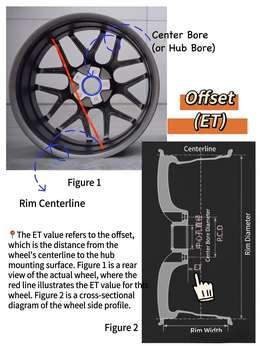
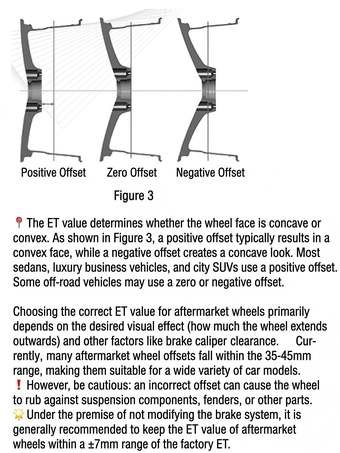
Use these two references before ordering: the left diagram shows where each spec (PCD, center bore, offset, width and diameter) is measured on the wheel; the right diagram shows how positive, zero and negative offset shift the wheel face relative to the hub centerline.
ANKUSI Engineering Expert Advice
Off-road platforms put real, repeated impact loads through the wheel that street-only vehicles never see, so the factory strength margin on the Isuzu D-Max isn't a formality — it's load-bearing in a literal sense. Forging matches that margin at a lower rotational weight than an equivalent cast wheel, which matters both on the trail and on the highway miles between trailheads.
The Isuzu D-Max ships from the factory on a 6x139.7 bolt pattern with a 100.1mm center bore and a 17x7J ET33 wheel. Our flush reference for the Isuzu D-Max is 17x8J ET20.; our maximum aggressive reference is 18x9J ET15. — beyond that, expect clearance issues against the fender liner without further modification.
Isuzu D-Max OE Wheel Specs
The Isuzu D-Max ships from the factory on 6x139.7 bolt pattern wheels with a 100.1mm center bore. The stock wheel size is 17x7J ET33, offering a balanced ride that suits most owners without any rubbing or clearance concerns.
Why the factory spec works for most owners:
- Balances ride comfort with steering response and highway efficiency.
- Wide tire and wheel availability at the factory diameter keeps replacement costs low.
- Lower unsprung weight than larger aftermarket wheels helps ride quality and acceleration.
- Guaranteed clearance against brake calipers and suspension components.
Flush Fitment
For a flush look without any body modification, most Isuzu D-Max owners run 17x8J ET20. This setup tucks the wheel face closer to the fender lip while staying within safe load and clearance limits.
Maximum Aggressive Fitment
Owners chasing a more aggressive stance push to 18x9J ET15. Chassis: 2-inch lift kit for off-road setups. Wheels: High load 6x139.7 truck wheels. Brakes: Standard truck clearance. Tires: 265/65 R17 standard; up to 33-inch with lift. Clearance should be verified before ordering, especially on lowered cars.
5-Tier Configuration Options
A – Factory-Style: 17x7J ET33
Recommended setup: Factory-matched forged replacement
Economy impact: None
Best for: Daily drivers, warranty-conscious owners
Appearance 5/10 | Comfort 10/10 | Install difficulty ★☆☆☆
Estimated cost range: $$ (OE replacement)
B – Comfortable Upgrade: 17x7.5J ET27
Recommended setup: Direct bolt-on, factory suspension
Economy impact: Minimal
Best for: Owners who want a mild upgrade with no compromise
Appearance 6/10 | Comfort 9/10 | Install difficulty ★☆☆☆
Estimated cost range: $$ - $$$
C – Balanced / Flush Fit: 17x8J ET20
Recommended setup: Flush forged wheels, stock or mild lowering
Economy impact: Slight increase
Best for: Enthusiasts wanting a flush look daily
Appearance 8/10 | Comfort 7/10 | Install difficulty ★★☆☆
Estimated cost range: $$$
D – Aggressive: 17.5x8.5J ET18
Recommended setup: Wider forged wheels, coilovers or lowering springs
Economy impact: Noticeable increase
Best for: Show-and-drive builds
Appearance 9/10 | Comfort 5/10 | Install difficulty ★★★☆
Estimated cost range: $$$$
E – Max Aggressive: 18x9J ET15
Recommended setup: Chassis: 2-inch lift kit for off-road setups. Wheels: High load 6x139.7 truck wheels. Brakes: Standard truck clearance. Tires: 265/65 R17 standard; up to 33-inch with lift.
Economy impact: Significant increase
Best for: Show builds, weekend cars
Appearance 10/10 | Comfort 3/10 | Install difficulty ★★★★
Estimated cost range: $$$$$
Performance Comparison Matrix
| Wheel Spec | Tier A | Tier B | Tier C | Tier D | Tier E |
|---|---|---|---|---|---|
| Wheel Spec | 17x7J ET33 | 17x7.5J ET27 | 17x8J ET20 | 17.5x8.5J ET18 | 18x9J ET15 |
| Economy Impact | None | Minimal | Slight increase | Noticeable increase | Significant increase |
| Appearance | 5/10 | 6/10 | 8/10 | 9/10 | 10/10 |
| Comfort | 10/10 | 9/10 | 7/10 | 5/10 | 3/10 |
| Install Difficulty | ★☆☆☆ | ★☆☆☆ | ★★☆☆ | ★★★☆ | ★★★★ |
| Cost Range | $$ (OE replacement) | $$ - $$$ | $$$ | $$$$ | $$$$$ |
| Best For | Daily drivers, warranty-conscious owners | Owners who want a mild upgrade with no compromise | Enthusiasts wanting a flush look daily | Show-and-drive builds | Show builds, weekend cars |
Real-World Reference Cases
The following builds are compiled from typical ANKUSI customer configurations for this platform and are illustrative, not individually verified real-world builds.
Case 1: Daily Driver (Factory-Style)
Profile: Commuter prioritizing comfort and reliability.
Setup: 17x7J ET33 forged wheels, factory suspension.
Cost: $$ (OE replacement)
Outcome: No clearance issues, factory ride quality retained.
Case 2: Balanced Enthusiast (Balanced / Flush Fit)
Profile: Weekend driver wanting a flush stance without sacrificing daily usability.
Setup: 17x8J ET20 forged wheels, mild lowering springs.
Cost: $$$
Outcome: Flush fitment with acceptable ride comfort for daily use.
Case 3: Show Build (Max Aggressive)
Profile: Show-and-shine build prioritizing stance over comfort.
Setup: 18x9J ET15 forged wheels. Chassis: 2-inch lift kit for off-road setups. Wheels: High load 6x139.7 truck wheels. Brakes: Standard truck clearance. Tires: 265/65 R17 standard; up to 33-inch with lift.
Cost: $$$$$
Outcome: Maximum aggressive stance; clearance verified case-by-case.
Decision Guide
Offset & Backspacing Reference
Backspacing is calculated as: wheel width (in) / 2 + offset (mm) / 25.4 + 0.5.
- OE 17x7J ET33: backspacing ≈ 5.3"
- Flush 17x8J ET20: backspacing ≈ 5.29"
- Max 18x9J ET15: backspacing ≈ 5.59"
Use our offset & backspacing calculator to fine-tune your fitment, or contact ANKUSI for a custom forged wheel quote for your Isuzu D-Max.