
Mazda 2 3-Door (2009) Wheel Fitment
Mazda 2 3-Door (2009): 4x100 bolt pattern, 54.1mm center bore, OE 15x6J ET45. Forged wheel fitment specs from ANKUSI.
✓ Verified by ANKUSI's Engineering Team — IATF 16949 & ISO 9001 certified forged wheel manufacturer, TÜV/SFI/VIA compliant. See our factory & certifications →
Wheel Size & Offset at a Glance
| Configuration | Wheel Size & Offset |
|---|---|
| Flush Fitment | 16x7J at ET38 offset |
How to Read Wheel Offset & Measurements
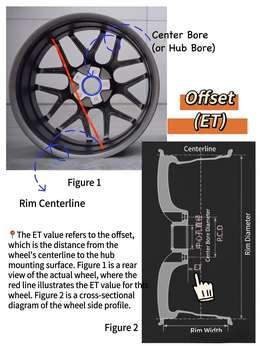
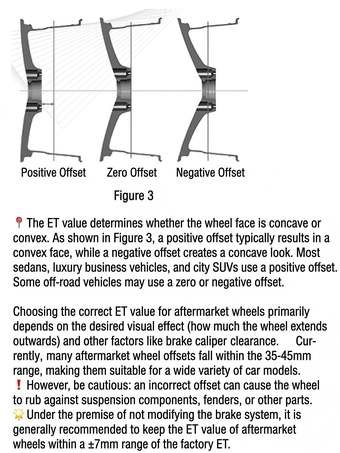
Use these two references before ordering: the left diagram shows where each spec (PCD, center bore, offset, width and diameter) is measured on the wheel; the right diagram shows how positive, zero and negative offset shift the wheel face relative to the hub centerline.
ANKUSI Engineering Expert Advice
Hot hatches and performance compacts are built around quick direction changes, so rotational mass at the wheel has an outsized effect on how the car actually feels to drive. Forging trims that mass while holding the same strength margin as the factory wheel, which is exactly the trade-off this kind of platform rewards.
The Mazda 2 3-Door ships from the factory on a 4x100 bolt pattern with a 54.1mm center bore and a 15x6J ET45 wheel. Our flush reference for the Mazda 2 3-Door is 16x7J ET38.; our maximum aggressive reference is 17x7.5J ET35. — beyond that, expect clearance issues against the fender liner without further modification.
Mazda 2 3-Door OE Wheel Specs
The Mazda 2 3-Door ships from the factory on 4x100 bolt pattern wheels with a 54.1mm center bore. The stock wheel size is 15x6J ET45, offering a balanced ride that suits most owners without any rubbing or clearance concerns.
Why the factory spec works for most owners:
- Balances ride comfort with steering response and highway efficiency.
- Wide tire and wheel availability at the factory diameter keeps replacement costs low.
- Lower unsprung weight than larger aftermarket wheels helps ride quality and acceleration.
- Guaranteed clearance against brake calipers and suspension components.
Flush Fitment
For a flush look without any body modification, most Mazda 2 3-Door owners run 16x7J ET38. This setup tucks the wheel face closer to the fender lip while staying within safe load and clearance limits.
Maximum Aggressive Fitment
Owners chasing a more aggressive stance push to 17x7.5J ET35. Tein Flex Z coilovers; 16x7.0J ET38 ENKEI RPF1 wheels; EBC Greenstuff pads; Yokohama ADVAN Fleva V701 205/45 R16 tires. Clearance should be verified before ordering, especially on lowered cars.
5-Tier Configuration Options
A – Factory-Style: 15x6J ET45
Recommended setup: Factory-matched forged replacement
Economy impact: None
Best for: Daily drivers, warranty-conscious owners
Appearance 5/10 | Comfort 10/10 | Install difficulty ★☆☆☆
Estimated cost range: $$ (OE replacement)
B – Comfortable Upgrade: 15.5x6.5J ET42
Recommended setup: Direct bolt-on, factory suspension
Economy impact: Minimal
Best for: Owners who want a mild upgrade with no compromise
Appearance 6/10 | Comfort 9/10 | Install difficulty ★☆☆☆
Estimated cost range: $$ - $$$
C – Balanced / Flush Fit: 16x7J ET38
Recommended setup: Flush forged wheels, stock or mild lowering
Economy impact: Slight increase
Best for: Enthusiasts wanting a flush look daily
Appearance 8/10 | Comfort 7/10 | Install difficulty ★★☆☆
Estimated cost range: $$$
D – Aggressive: 16.5x7.5J ET37
Recommended setup: Wider forged wheels, coilovers or lowering springs
Economy impact: Noticeable increase
Best for: Show-and-drive builds
Appearance 9/10 | Comfort 5/10 | Install difficulty ★★★☆
Estimated cost range: $$$$
E – Max Aggressive: 17x7.5J ET35
Recommended setup: Tein Flex Z coilovers; 16x7.0J ET38 ENKEI RPF1 wheels; EBC Greenstuff pads; Yokohama ADVAN Fleva V701 205/45 R16 tires.
Economy impact: Significant increase
Best for: Show builds, weekend cars
Appearance 10/10 | Comfort 3/10 | Install difficulty ★★★★
Estimated cost range: $$$$$
Performance Comparison Matrix
| Wheel Spec | Tier A | Tier B | Tier C | Tier D | Tier E |
|---|---|---|---|---|---|
| Wheel Spec | 15x6J ET45 | 15.5x6.5J ET42 | 16x7J ET38 | 16.5x7.5J ET37 | 17x7.5J ET35 |
| Economy Impact | None | Minimal | Slight increase | Noticeable increase | Significant increase |
| Appearance | 5/10 | 6/10 | 8/10 | 9/10 | 10/10 |
| Comfort | 10/10 | 9/10 | 7/10 | 5/10 | 3/10 |
| Install Difficulty | ★☆☆☆ | ★☆☆☆ | ★★☆☆ | ★★★☆ | ★★★★ |
| Cost Range | $$ (OE replacement) | $$ - $$$ | $$$ | $$$$ | $$$$$ |
| Best For | Daily drivers, warranty-conscious owners | Owners who want a mild upgrade with no compromise | Enthusiasts wanting a flush look daily | Show-and-drive builds | Show builds, weekend cars |
Real-World Reference Cases
The following builds are compiled from typical ANKUSI customer configurations for this platform and are illustrative, not individually verified real-world builds.
Case 1: Daily Driver (Factory-Style)
Profile: Commuter prioritizing comfort and reliability.
Setup: 15x6J ET45 forged wheels, factory suspension.
Cost: $$ (OE replacement)
Outcome: No clearance issues, factory ride quality retained.
Case 2: Balanced Enthusiast (Balanced / Flush Fit)
Profile: Weekend driver wanting a flush stance without sacrificing daily usability.
Setup: 16x7J ET38 forged wheels, mild lowering springs.
Cost: $$$
Outcome: Flush fitment with acceptable ride comfort for daily use.
Case 3: Show Build (Max Aggressive)
Profile: Show-and-shine build prioritizing stance over comfort.
Setup: 17x7.5J ET35 forged wheels. Tein Flex Z coilovers; 16x7.0J ET38 ENKEI RPF1 wheels; EBC Greenstuff pads; Yokohama ADVAN Fleva V701 205/45 R16 tires.
Cost: $$$$$
Outcome: Maximum aggressive stance; clearance verified case-by-case.
Decision Guide
Offset & Backspacing Reference
Backspacing is calculated as: wheel width (in) / 2 + offset (mm) / 25.4 + 0.5.
- OE 15x6J ET45: backspacing ≈ 5.27"
- Flush 16x7J ET38: backspacing ≈ 5.5"
- Max 17x7.5J ET35: backspacing ≈ 5.63"
Use our offset & backspacing calculator to fine-tune your fitment, or contact ANKUSI for a custom forged wheel quote for your Mazda 2 3-Door.