
CNC Machining in Wheel Production: Why Precision Matters
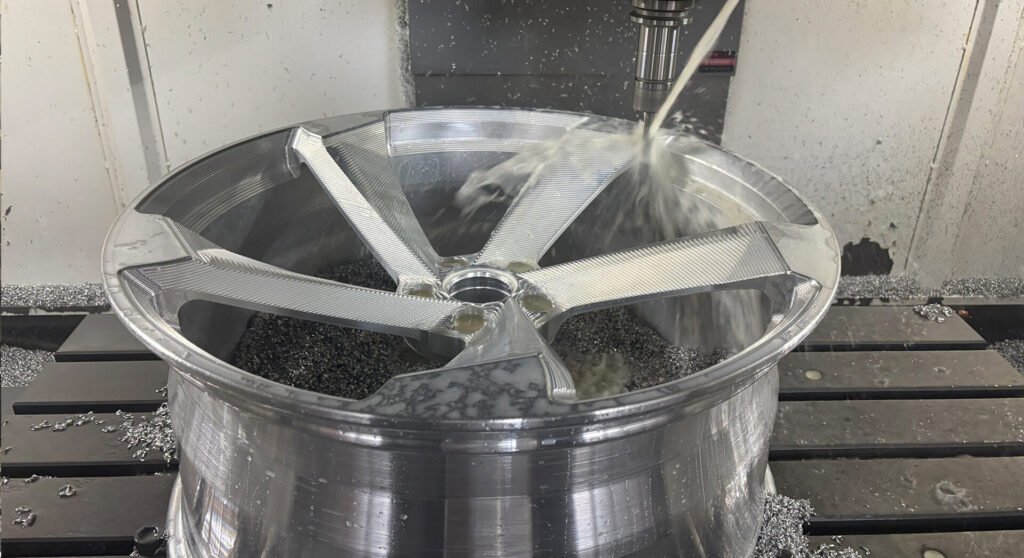
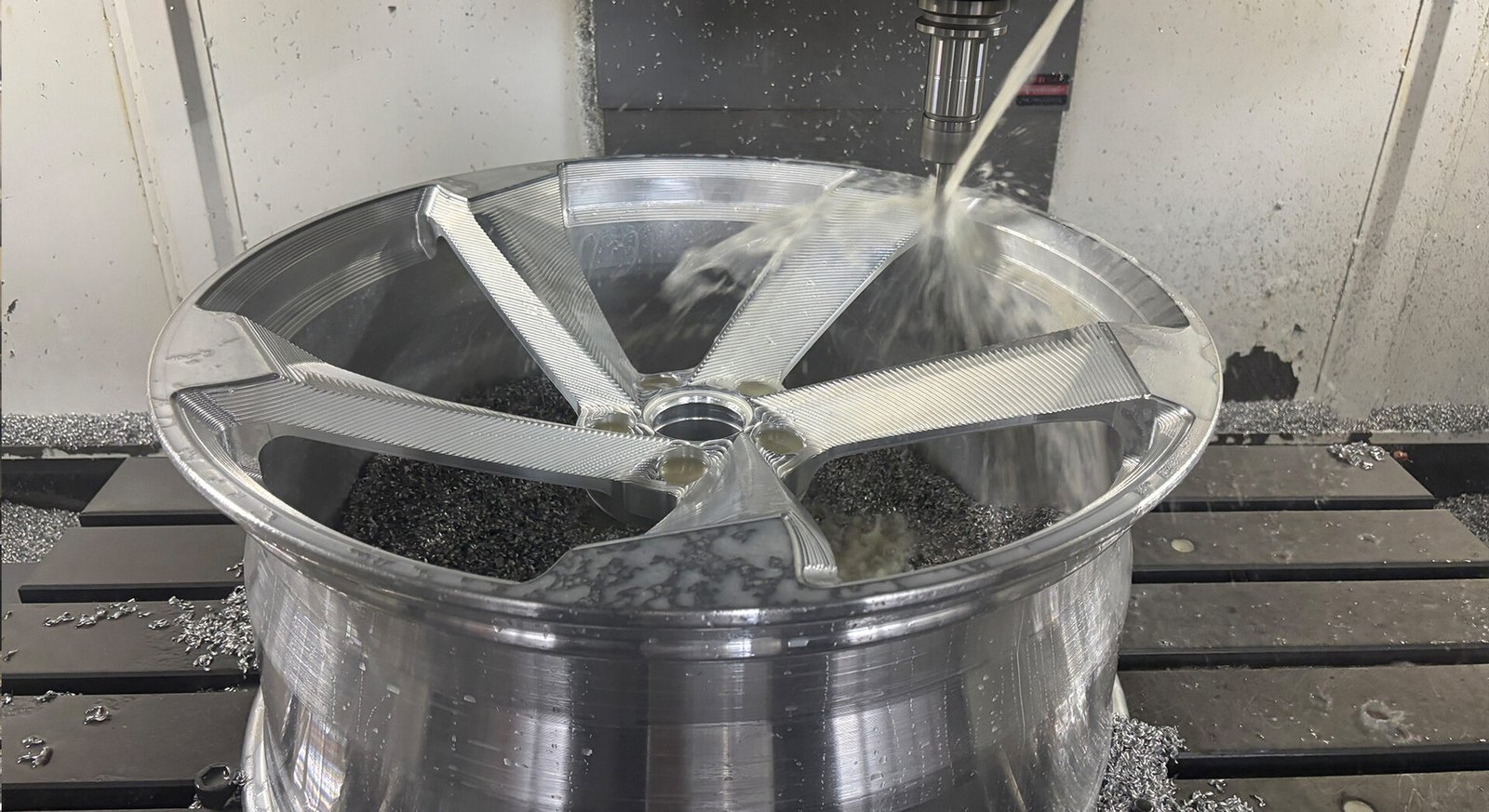
What CNC Actually Does to a Forged Blank
After forging, a wheel blank is still a rough, over-sized shape — strong, but far from finished. Multi-axis CNC lathes and machining centers cut it down to its final face design, barrel dimensions, and mounting geometry, following toolpaths programmed from the exact digital spec for that wheel: diameter, width, offset, bolt pattern, spoke profile, and lip design.
Tolerances That Actually Matter
Two surfaces on a wheel have essentially zero margin for error: the hub mounting face and the bolt circle. If either is off by even a small fraction of a millimeter, the wheel can develop a vibration at speed, wear unevenly on the hub, or in a worst case not seat correctly against the rotor. Reputable forged wheel manufacturers hold these critical surfaces to tolerances in the range of a few hundredths of a millimeter — tight enough that the difference isn’t something you’d see, but is absolutely something you’d feel on the highway.
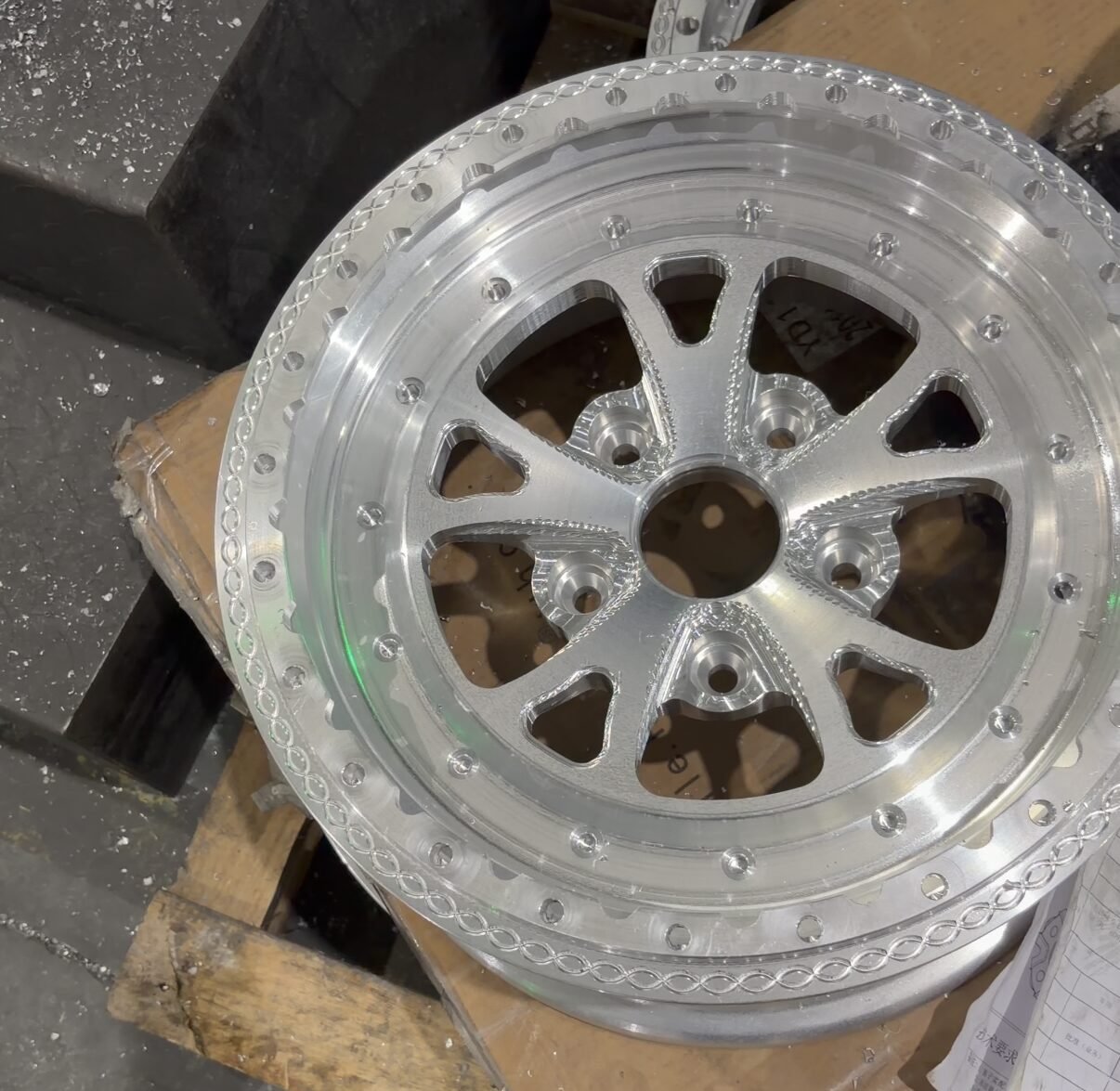
Where CNC Precision Shows Up Visually
Beyond the surfaces you can’t see, machining precision is also what makes a multi-spoke or deep-concave face design look genuinely crisp rather than slightly soft — consistent spoke width, symmetric geometry, and clean transitions between the face and barrel all come down to how accurately the CNC program executes. Inconsistent machining is one of the easiest ways to spot a lower-quality forged wheel even before you look at the finish.
Multi-Axis Machining and Design Freedom
Modern 5-axis CNC centers can approach the blank from multiple angles in a single setup, which is what makes deep concave faces, undercut spokes, and directional designs possible without multiple separate machining operations that would each introduce their own tolerance stack-up. Simpler 3-axis machining can produce a wheel, but complex geometry — the kind that makes a design look genuinely custom rather than generic — usually needs the extra degrees of freedom.
CNC Programming Is Where Custom Specs Actually Happen
A custom offset, an unusual bolt pattern, or a modified spoke design doesn’t require new tooling the way it would for a casting mold — it requires a new CNC program. That’s the practical reason forged wheel manufacturers can offer genuinely custom specs per order rather than choosing from a fixed catalog of pre-tooled options.
FAQ
Does more machining time mean a better wheel?
Not directly — what matters is whether the toolpaths and tolerances are correct, not how long the cycle takes. That said, rushing a cycle to cut cost is a common way corners get cut on smaller passes like the first-pass polish prep.
Can CNC machining fix a forging defect?
No — machining shapes the wheel but can’t correct problems with grain structure or internal porosity from the forging stage. That’s why forging press tonnage and billet quality matter as much as the machining that follows.
Is 5-axis machining always necessary?
Only for genuinely complex geometry — deep concave, undercut, or directional spoke designs. Simpler multi-spoke or mesh designs can be produced accurately on 3-axis equipment.
Have a spoke design or offset that needs custom programming? Send us your spec and we’ll confirm what’s possible.
Need answers from the manufacturing side instead of just sales copy?
Contact ANKUSI through WhatsApp or WeChat for discussions on forged wheel customization, fitment, finishes, and project feasibility.